Anatomy flashcards
Anatomy mnemonics for bones, organs and muscles
These anatomy mnemonics give 114 bones, organs and muscles a memory hook that links the Latin name to the body part. Clavicula (collarbone) means "little key" in Latin, so picture a tiny golden key lying across your collarbone. Below the flashcards you'll find the classic mnemonics for the carpal bones, tarsal bones and cranial nerves.
On this page
What's in these anatomy flashcards
Three decks in one list: 44 bones (skull, spine and chest, shoulder and arm, pelvis and leg), 36 organs (heart and breathing, digestion, nervous system and senses, urinary system, hormones and skin) and 34 muscles (head and neck, trunk, shoulder and arm, hip and leg). Each card shows the Latin term, the English meaning, where it is and a hook.
Skull
craniumShow answer
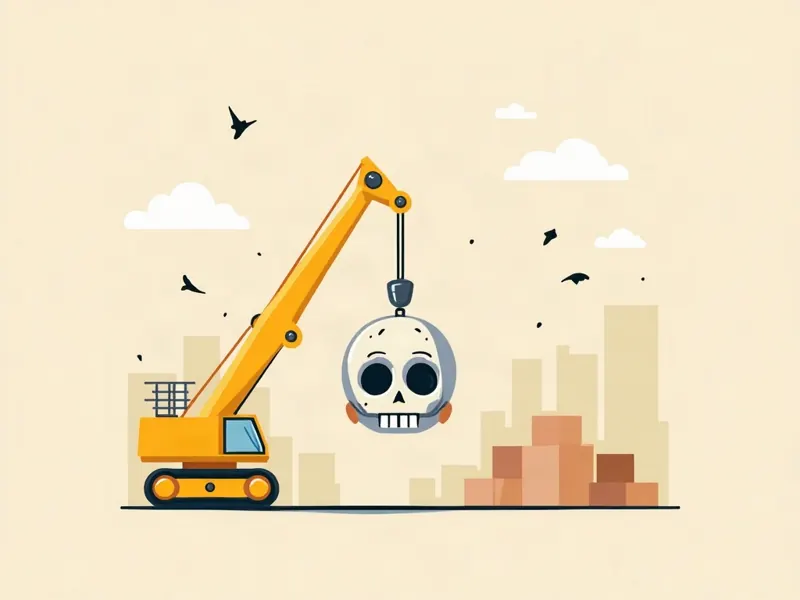
skull
🧠 A CRANE lifts a giant skull like a helmet: cranium means skull.
os frontaleShow answer
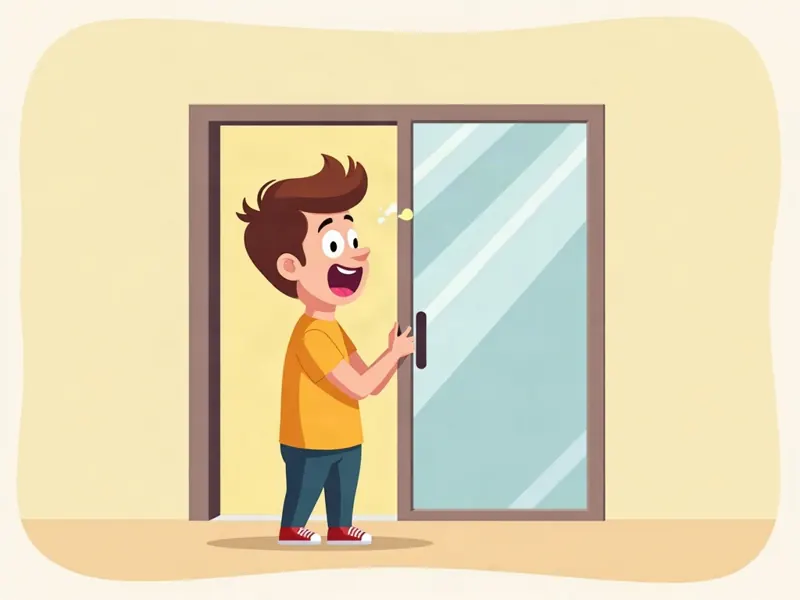
frontal bone
🧠 The FRONTal bone is the FRONT of your head: you bang it on a glass door.
os parietaleShow answer
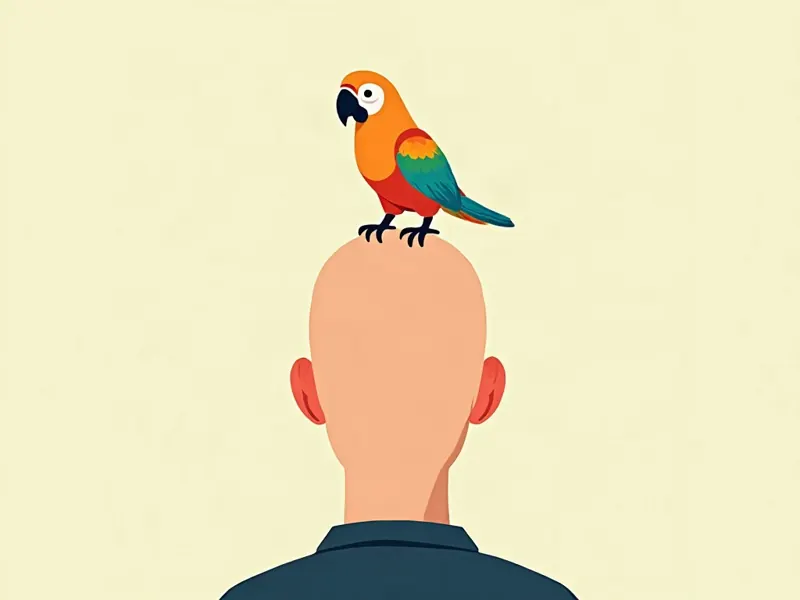
parietal bone
🧠 Latin paries means wall: a PARrot sits on the top wall of your head, on the parietal bones.
os temporaleShow answer
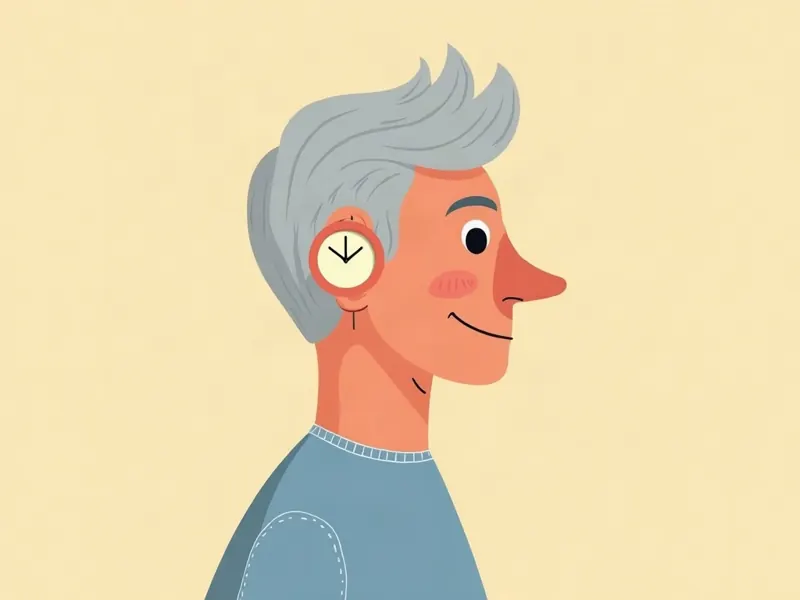
temporal bone
🧠 Latin tempus means time: the hair at your TEMPLES is the first to turn grey with time.
os occipitaleShow answer
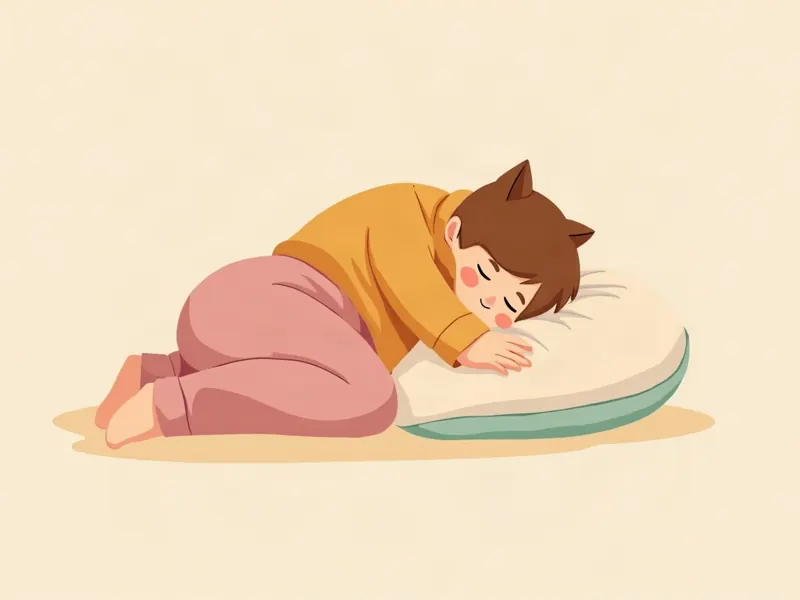
occipital bone
🧠 The back of the head is OCCUPIED by a sleeping cat: os occipitale is at the back of the skull.
os sphenoidaleShow answer
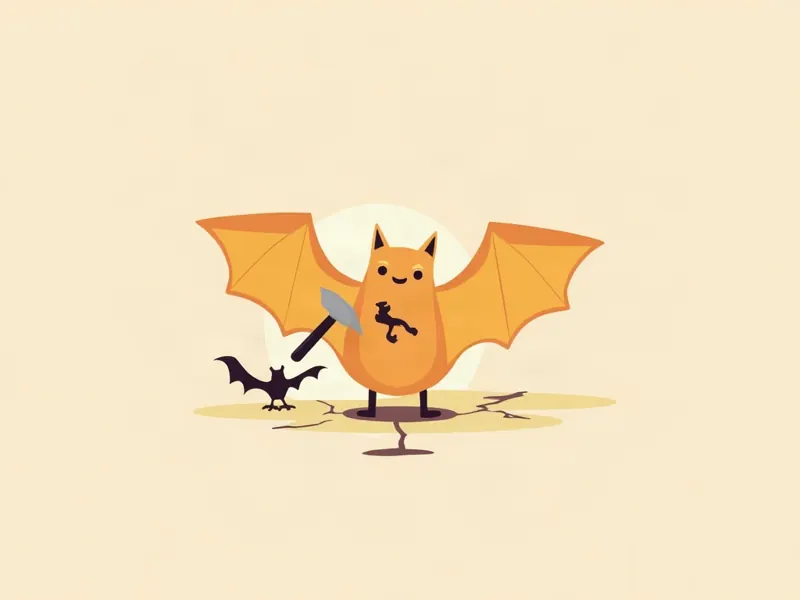
sphenoid bone
🧠 Greek sphēn means wedge: a bat-shaped WEDGE is hammered into the middle of the skull base.
os ethmoidaleShow answer
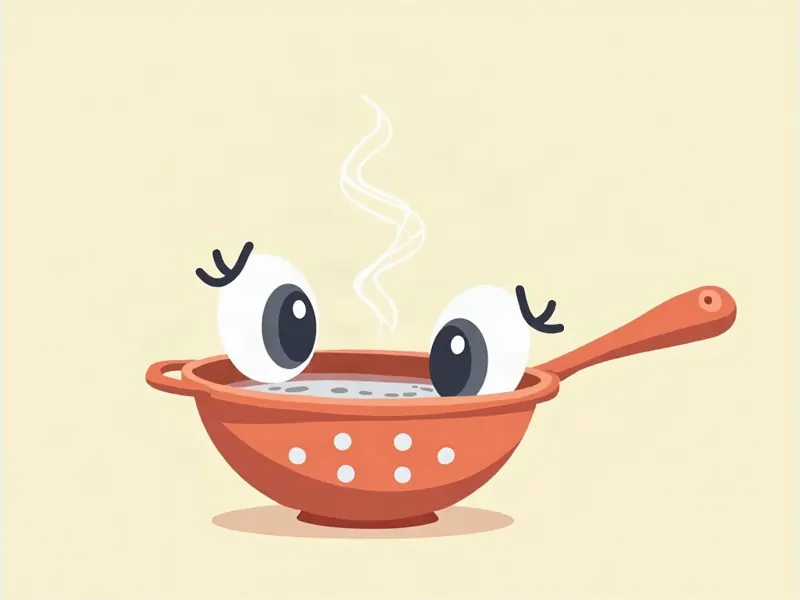
ethmoid bone
🧠 Greek ēthmos means sieve: the smell nerves pass through the holes of this SIEVE bone between the eyes.
os nasaleShow answer
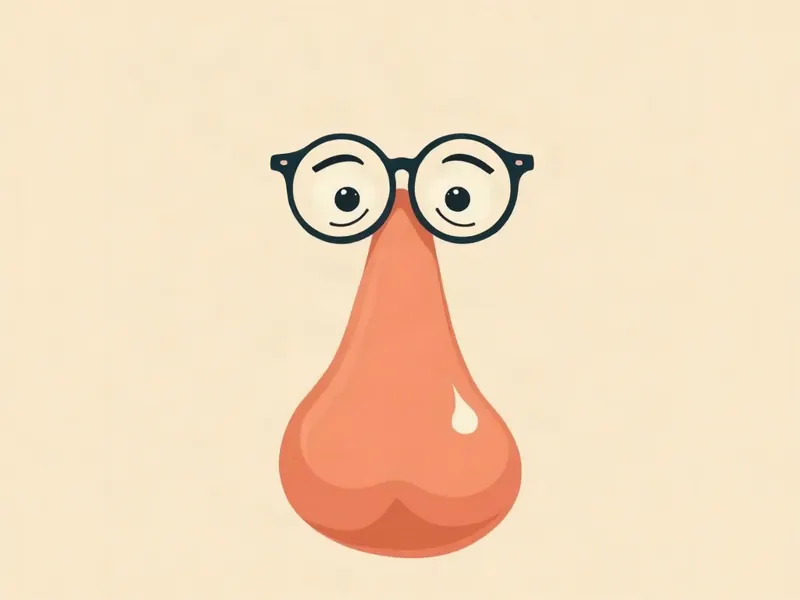
nasal bone
🧠 A NASAL voice comes through the NOSE: os nasale forms the bridge of the nose.
os zygomaticumShow answer
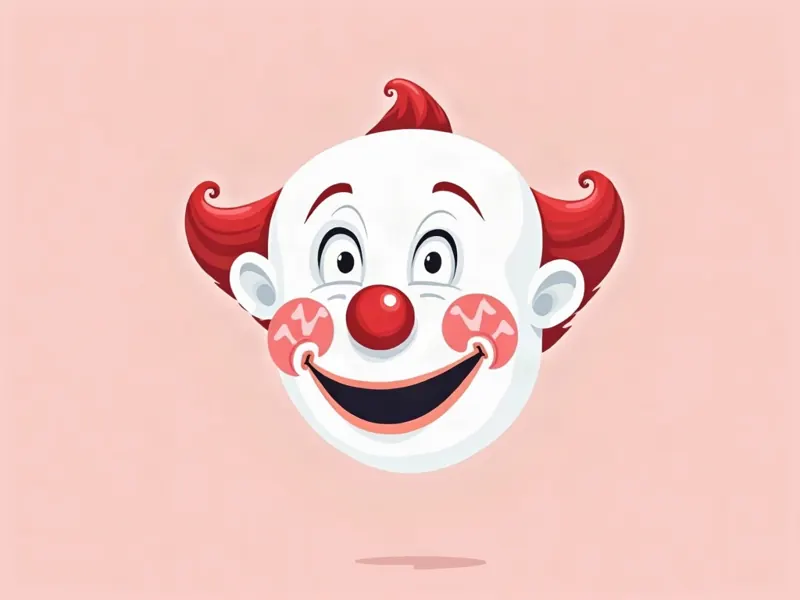
cheekbone
🧠 A ZIG-ZAG of blush painted along the CHEEKBONES: os zygomaticum is the cheekbone.
maxillaShow answer
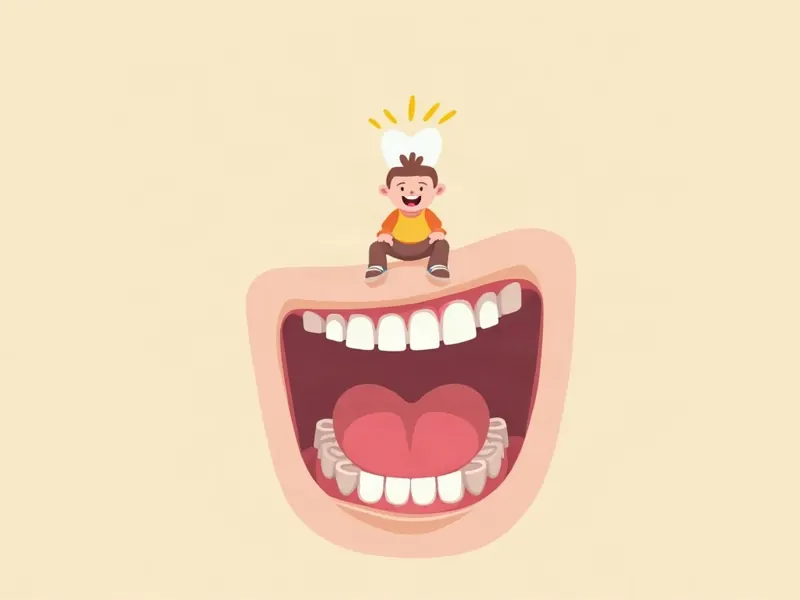
upper jaw
🧠 MAX sits on TOP of the jaw: the maxilla is the upper jaw.
mandibulaShow answer
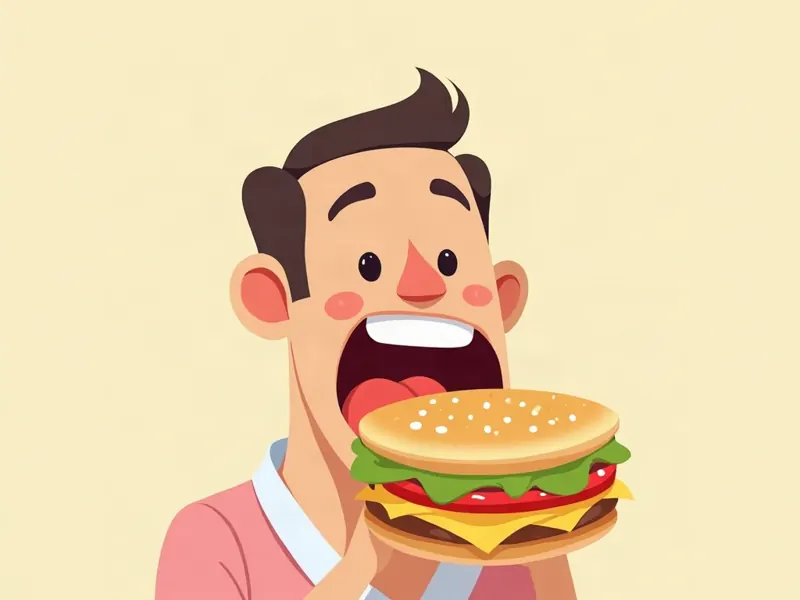
lower jaw
🧠 Latin mandere means to chew: a MAN with a big chin chews a huge sandwich with his lower jaw.
os hyoideumShow answer
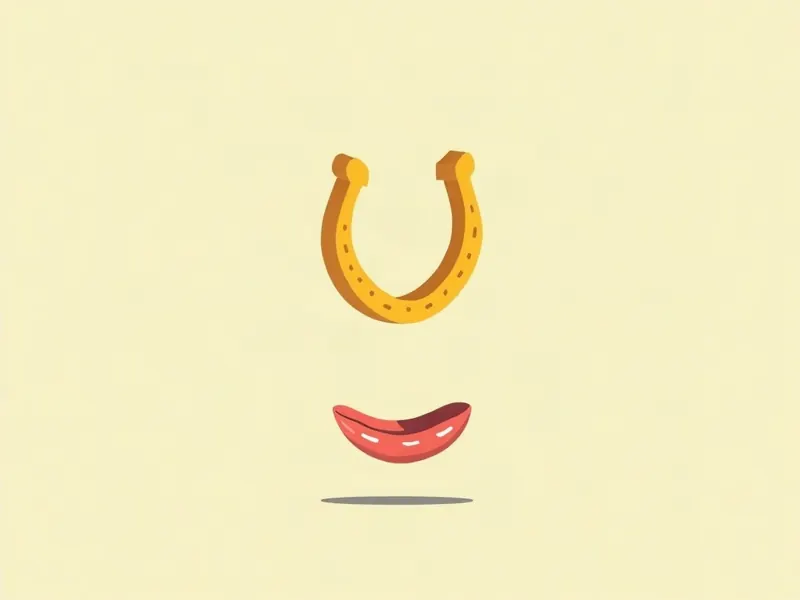
hyoid bone
🧠 Shaped like the Greek letter upsilon, a U: a floating horseshoe hangs in the neck and holds the tongue.
Spine and chest
columna vertebralisShow answer
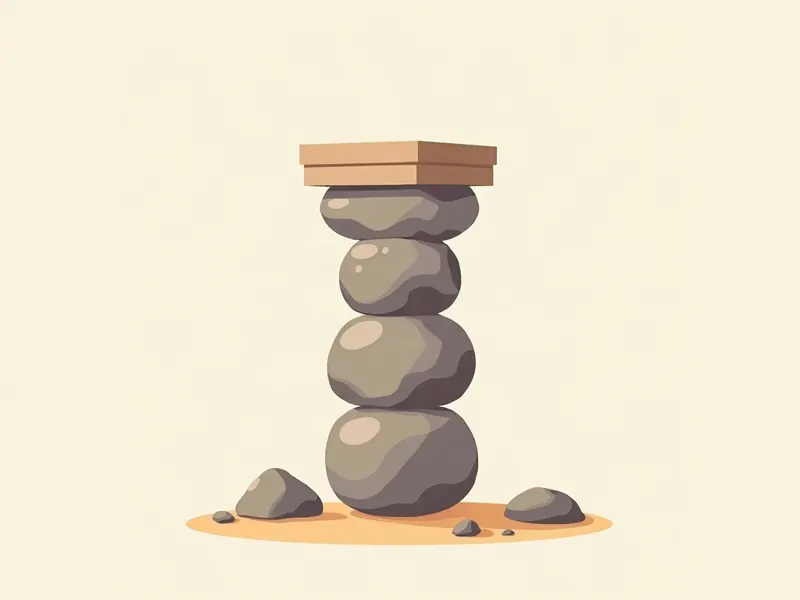
spine, vertebral column
🧠 A Greek COLUMN made of stacked vertebrae holds up a temple roof: columna vertebralis is the spine.
vertebrae cervicalesShow answer
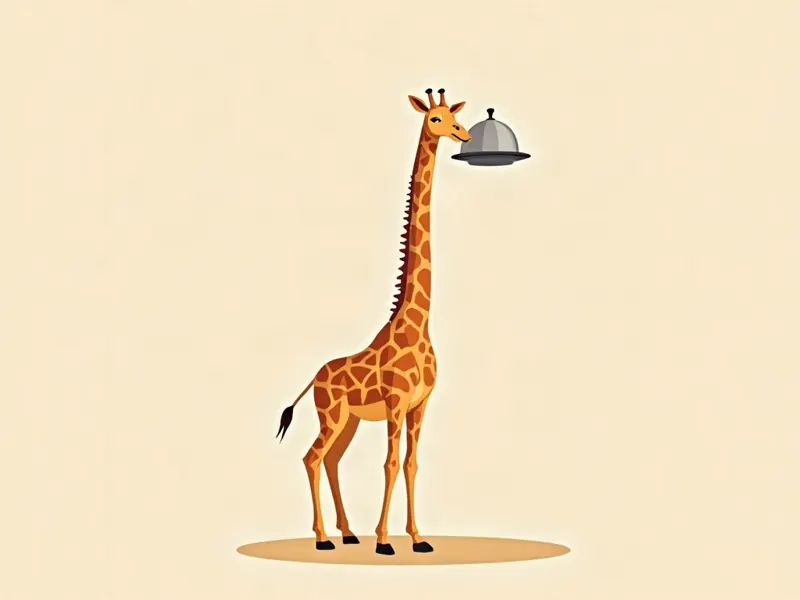
cervical vertebrae
🧠 Latin cervix means neck: a waiter's SERVICE neck stretches up like a giraffe's (giraffes also have just 7).
atlasShow answer
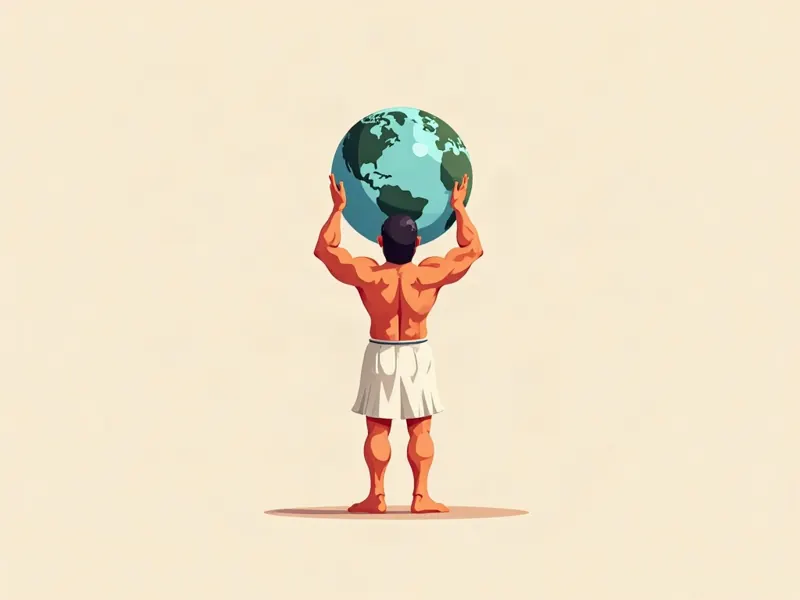
atlas, the first cervical vertebra
🧠 Like the Titan ATLAS holding up the globe, the atlas vertebra holds up your head.
axisShow answer
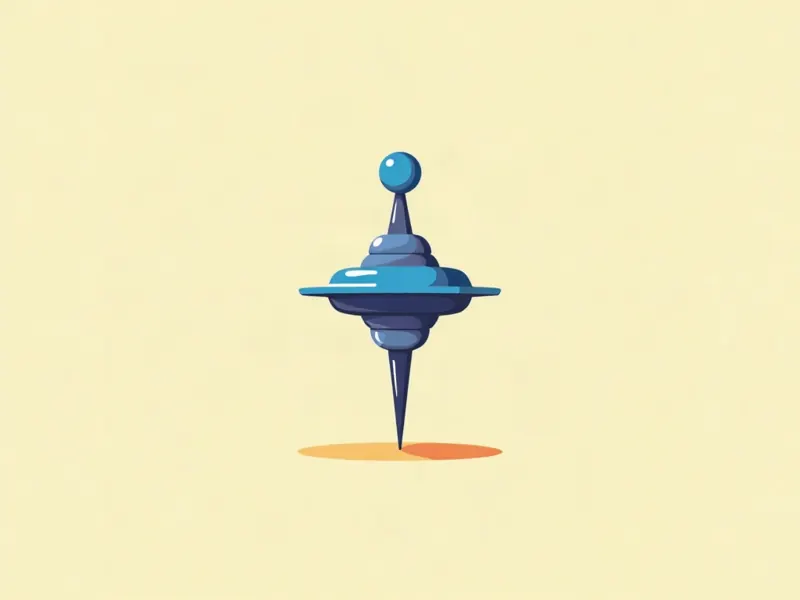
axis, the second cervical vertebra
🧠 An AXIS, an axle: your head spins around a peg like a wheel on its axle when you shake it 'no'.
vertebrae thoracicaeShow answer
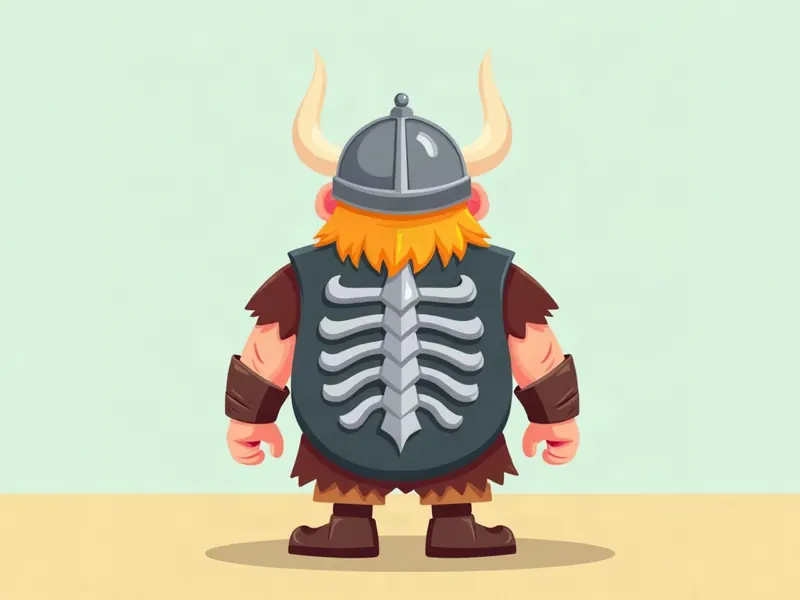
thoracic vertebrae
🧠 THOR's armoured chest is held together at the back by these vertebrae, where the ribs attach.
vertebrae lumbalesShow answer
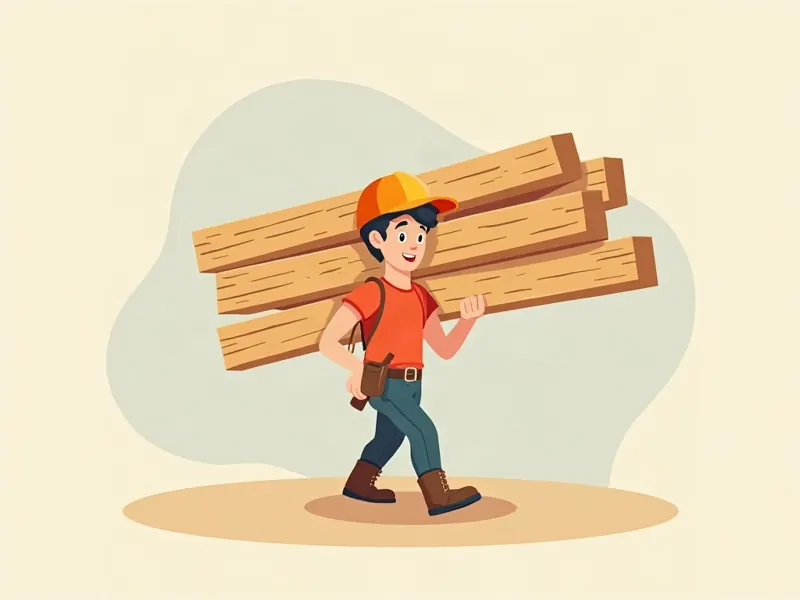
lumbar vertebrae
🧠 Carrying heavy LUMBER strains the LOWER BACK: vertebrae lumbales are the lower back vertebrae.
os sacrumShow answer
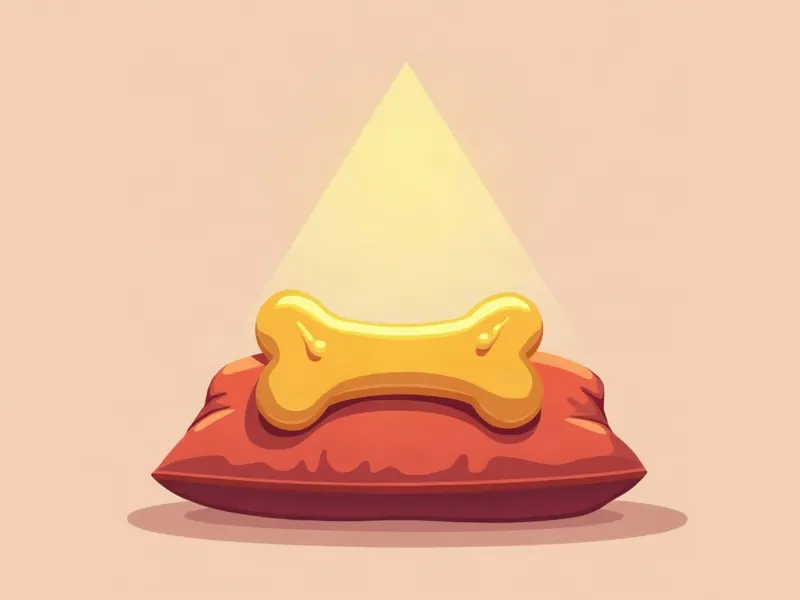
sacrum
🧠 SACRUM means 'sacred bone': a glowing triangle sits low on the back like a holy relic.
os coccygisShow answer
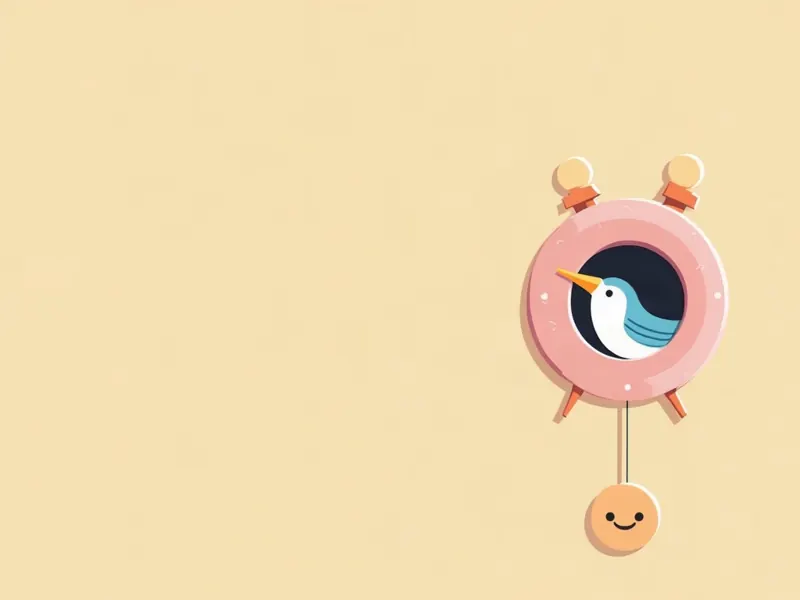
tailbone, coccyx
🧠 Greek kokkyx means cuckoo: the tailbone is shaped like a CUCKOO's beak.
sternumShow answer
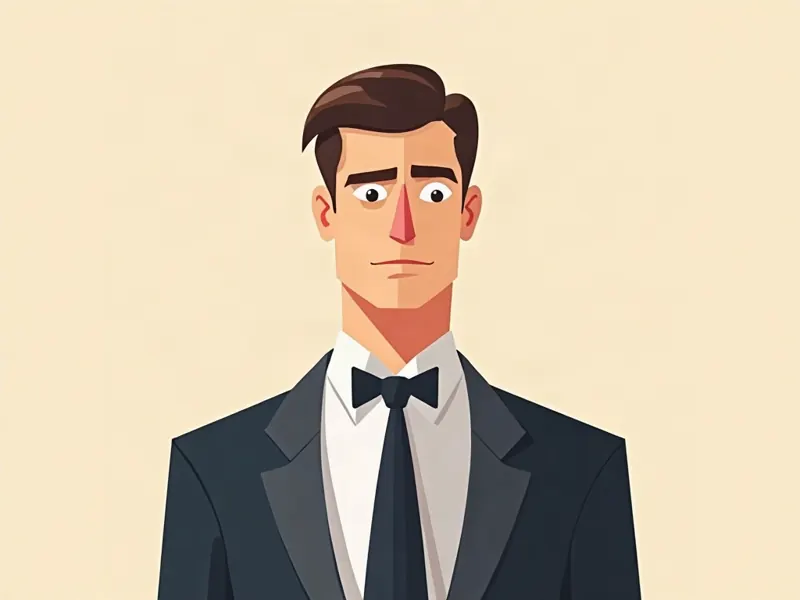
breastbone
🧠 A STERN butler's tie lies flat down the middle of his chest, just like the sternum.
costaeShow answer
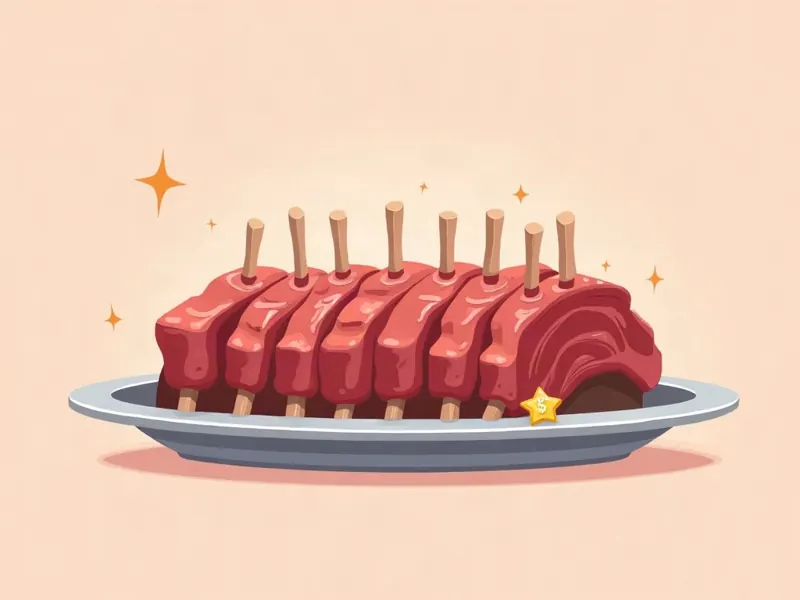
ribs
🧠 COSTly barbecue ribs: costae are the ribs (Latin costa, rib).
Shoulder and arm
claviculaShow answer
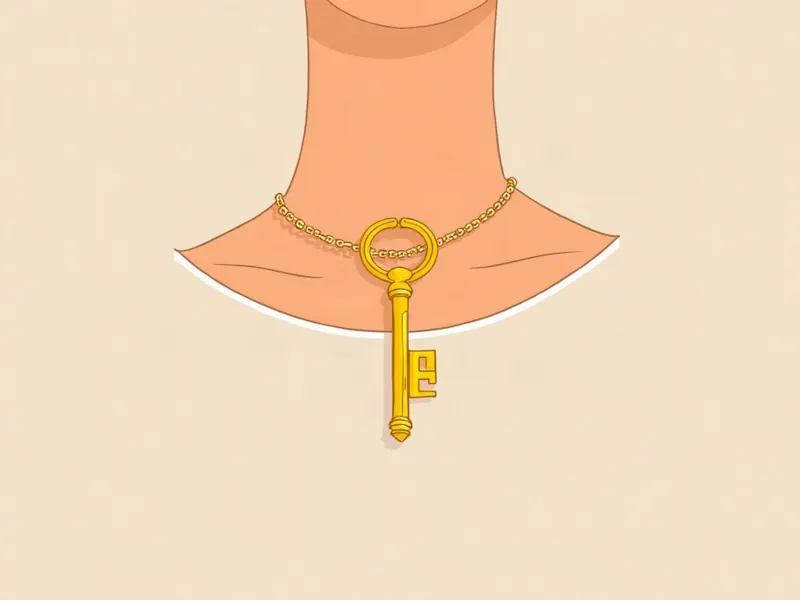
collarbone
🧠 Latin clavicula means 'little key': a tiny golden KEY lies across your collarbone.
scapulaShow answer
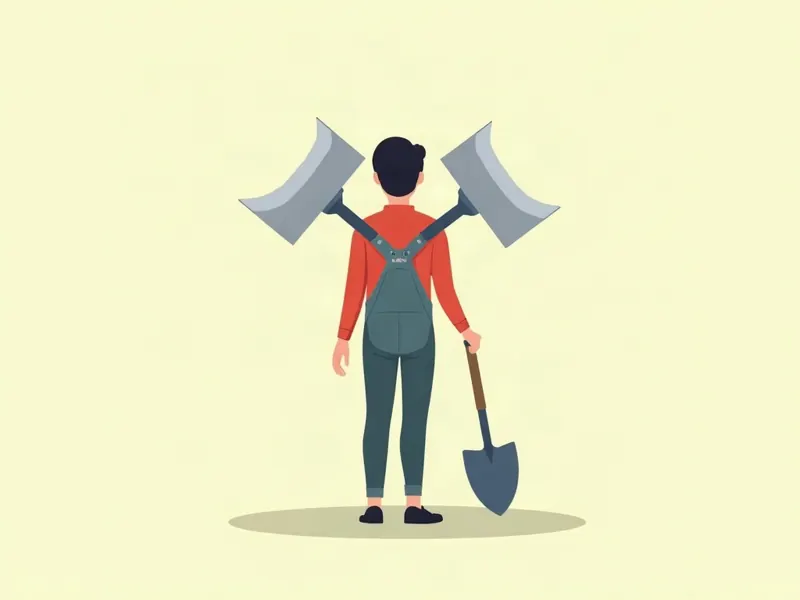
shoulder blade
🧠 A SCAPULA looks like a flat garden SCRAPER (or a spade) stuck on your back.
humerusShow answer
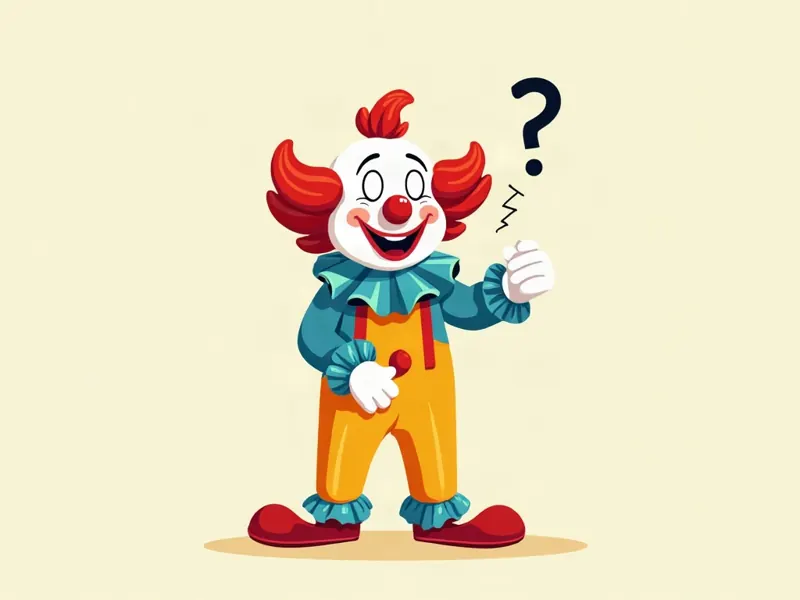
upper arm bone
🧠 Hit your 'funny bone' near the elbow and it's not HUMOROUS: the humerus is the upper arm bone.
radiusShow answer
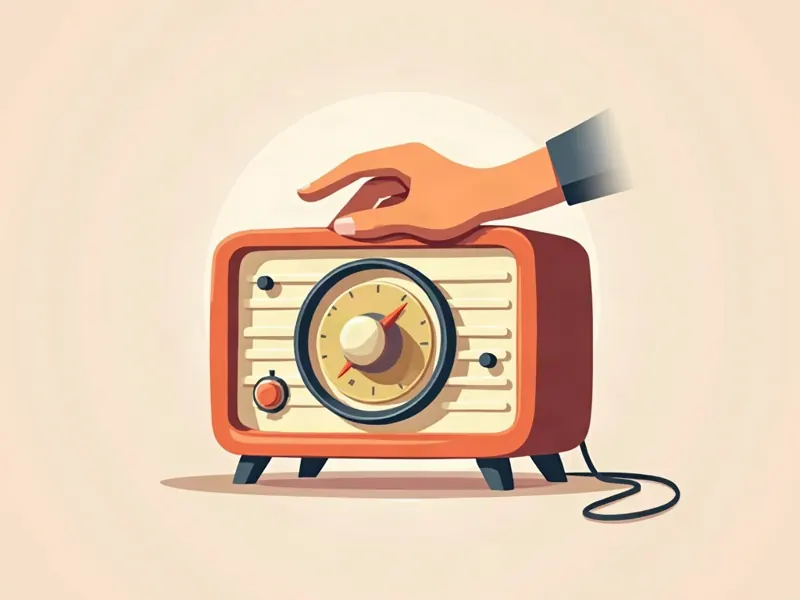
radius
🧠 Turn a RADIO dial with your thumb: the radius is on the thumb side and rotates when you turn your wrist.
ulnaShow answer
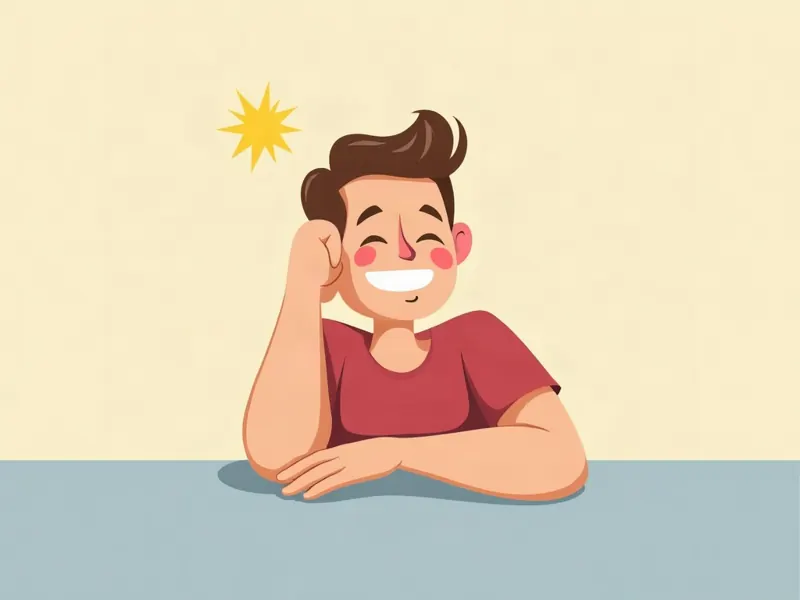
ulna
🧠 Lean your ELBOW on the table with a loud 'OOL-NA!': the ulna forms the point of the elbow.
ossa carpiShow answer
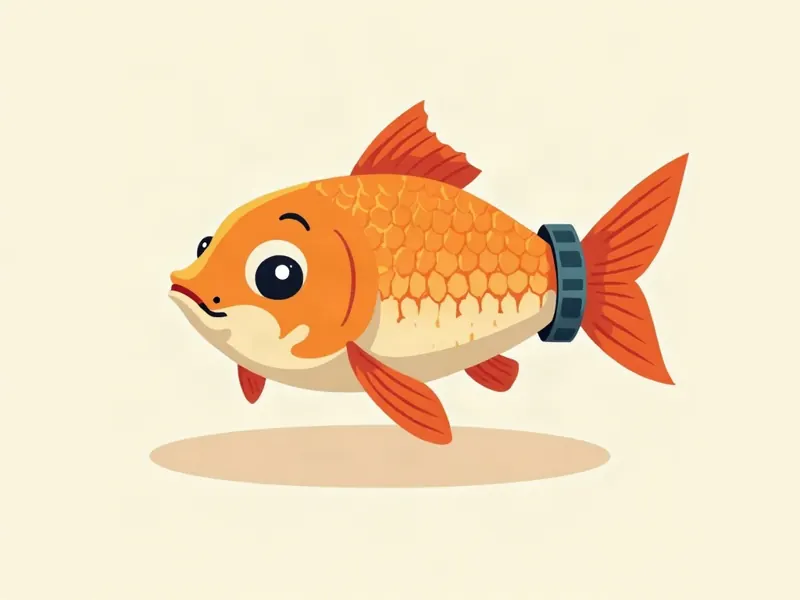
wrist bones, carpal bones
🧠 A CARP fish wears a wristwatch: ossa carpi are the 8 bones of the wrist.
ossa metacarpiShow answer
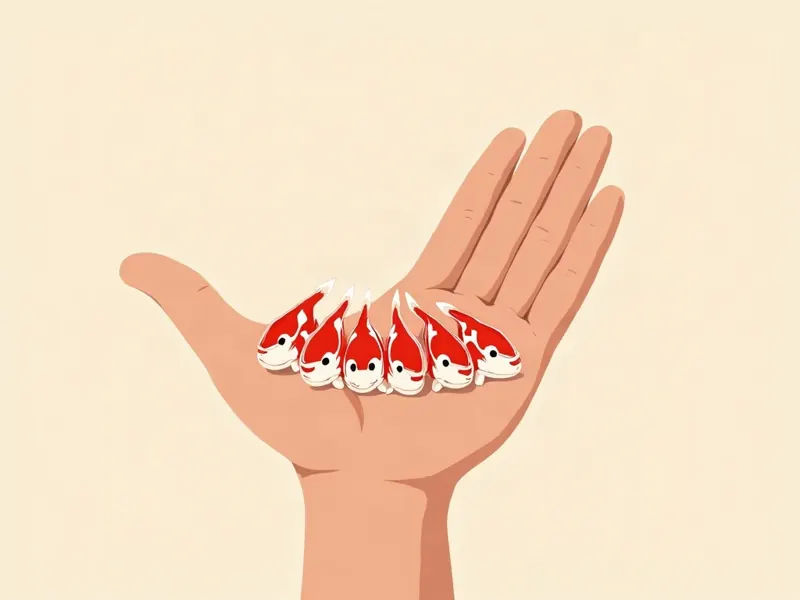
metacarpal bones
🧠 Meta- means 'after': these 5 bones come AFTER the wrist (carpus), in the palm.
phalanges manusShow answer
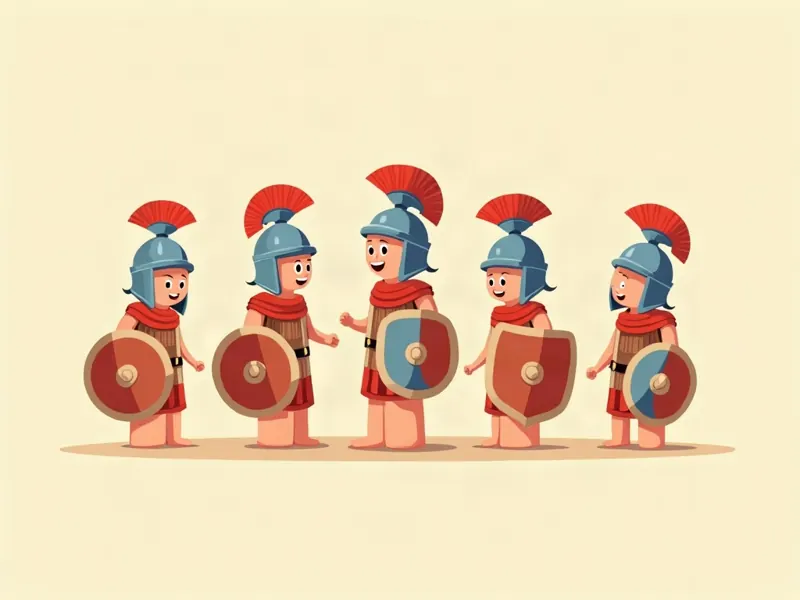
finger bones
🧠 A Greek PHALANX is a line of soldiers: your finger bones stand in rows like tiny soldiers.
Pelvis and leg
pelvisShow answer
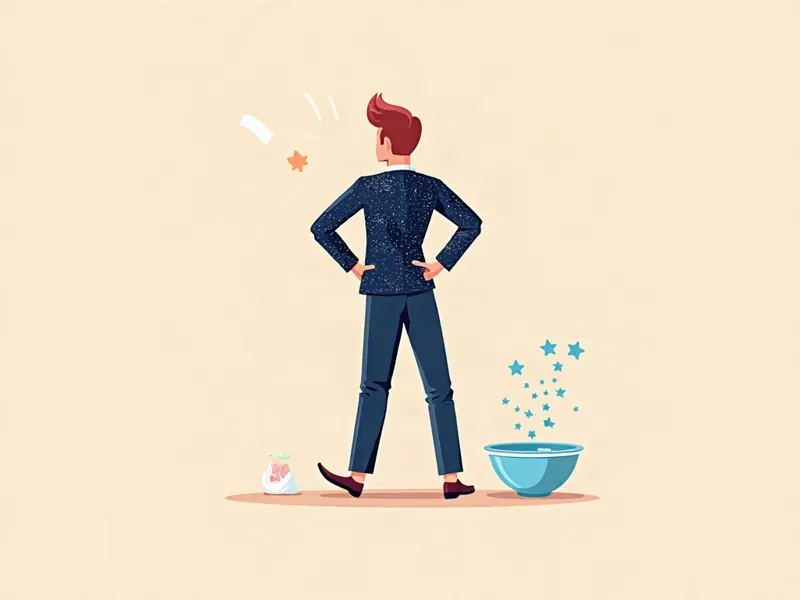
pelvis
🧠 Latin pelvis means basin: ELVIS shakes his PELVIS, a big bony bowl.
os coxaeShow answer
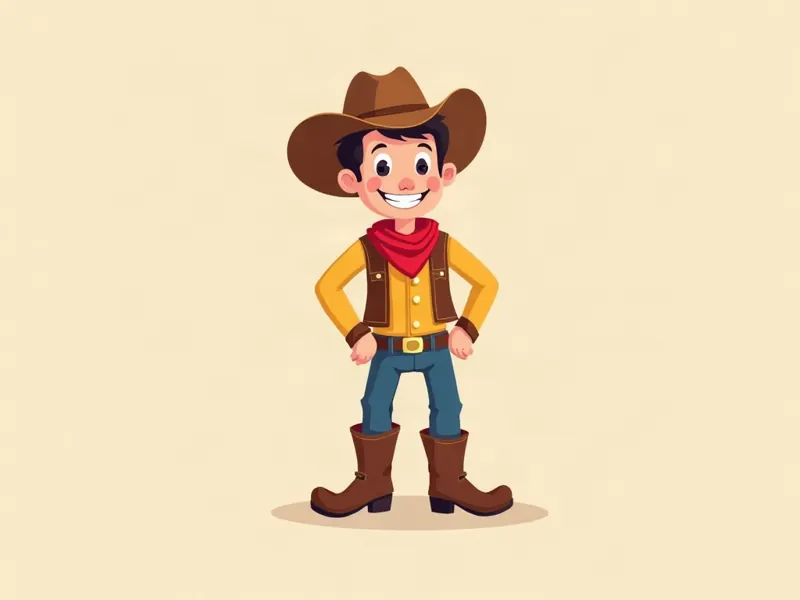
hip bone
🧠 Latin coxa means hip: a cocky cowboy puts his hands on his HIP BONES.
os iliumShow answer
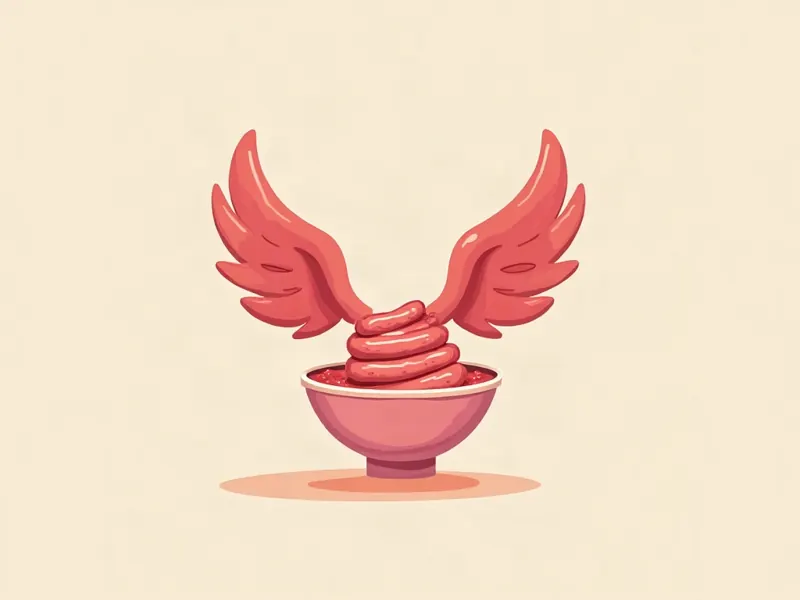
ilium
🧠 Two big wings (the ILIUM) spread out at your hips like an angel's, holding up the guts.
os ischiiShow answer
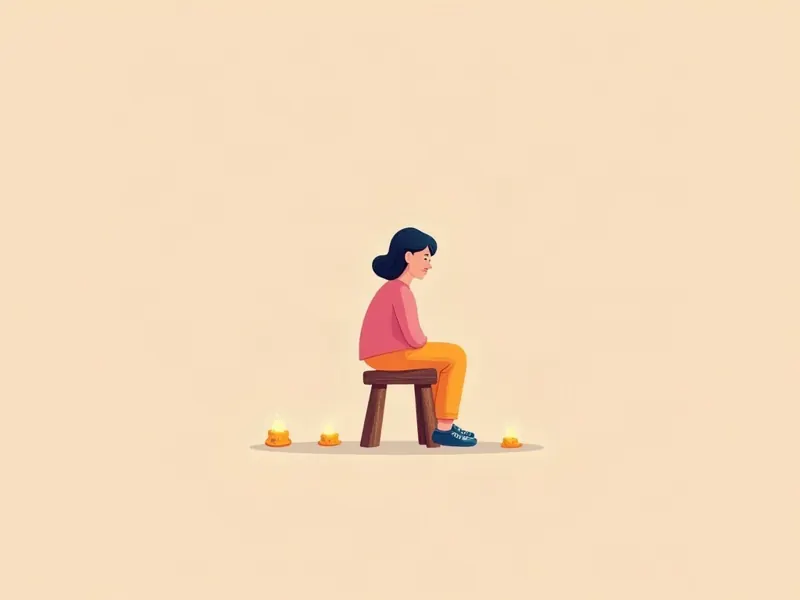
ischium, sitting bone
🧠 'IS-KEE-um? I SIT on 'em!': the ischium is the bone you sit on.
os pubisShow answer
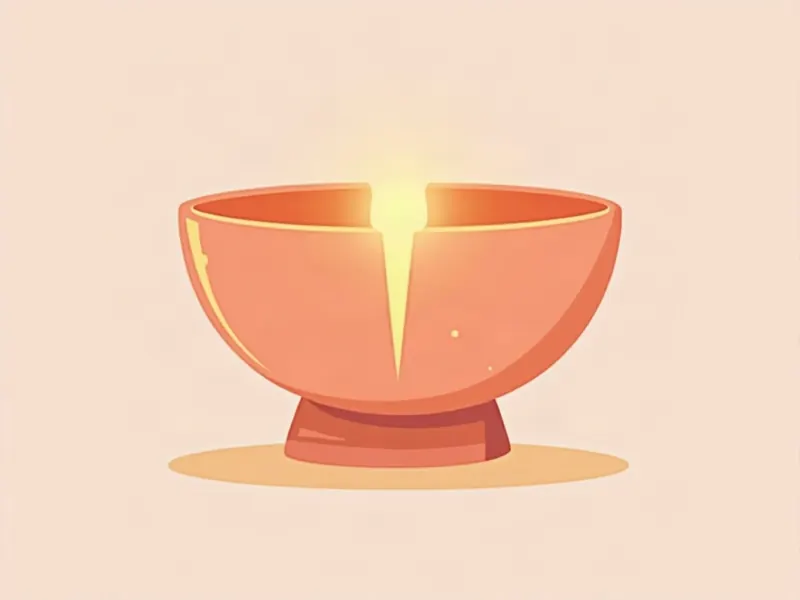
pubic bone
🧠 PUBerty brings pubic hair over the PUBic bone at the front of the pelvis.
femurShow answer
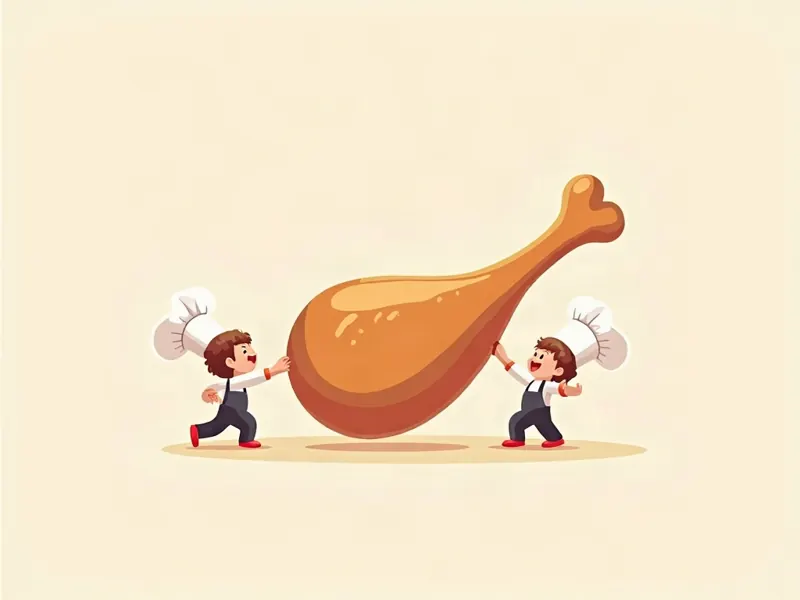
thigh bone
🧠 A giant chicken drumstick worth a huge FEE: the femur is the thigh bone, the longest in the body.
patellaShow answer
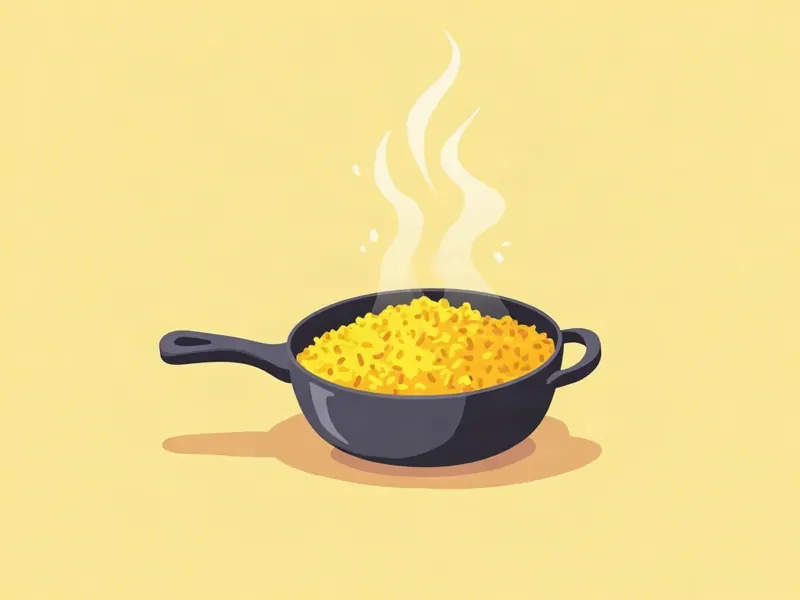
kneecap
🧠 Latin patella means little plate: a mini PAELLA pan sits on the front of your knee.
tibiaShow answer
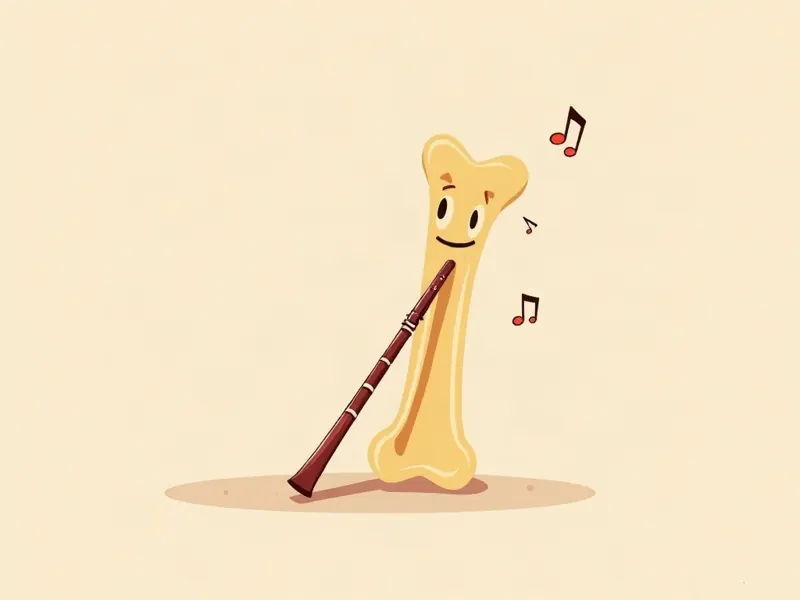
shinbone
🧠 Latin tibia also means flute: the shinbone is long and straight like a FLUTE.
fibulaShow answer
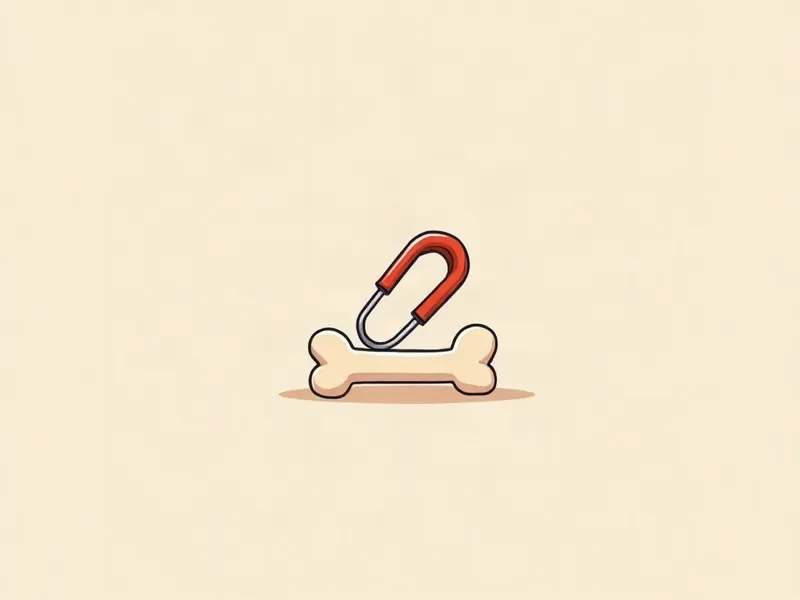
fibula, calf bone
🧠 Latin fibula means brooch pin: the thin bone on the outside of the leg is like a safety PIN beside the shin.
ossa tarsiShow answer
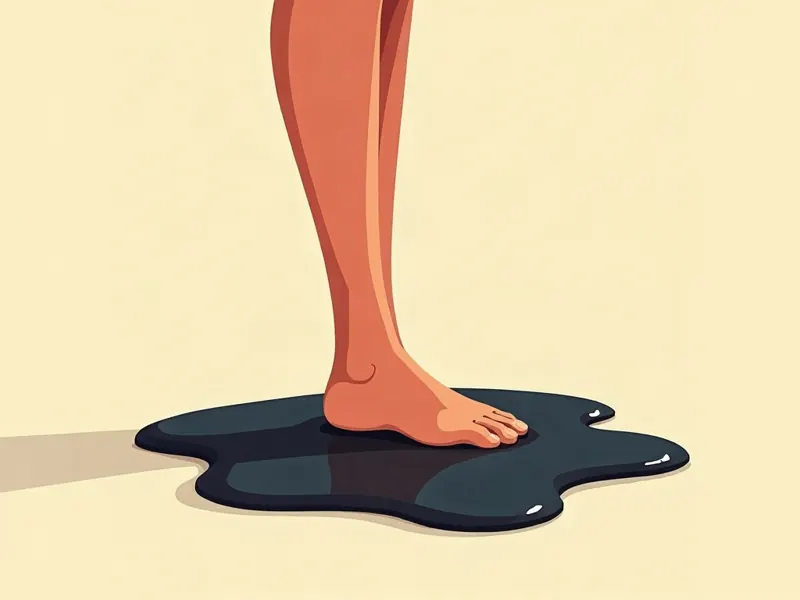
tarsal bones, ankle bones
🧠 Step in sticky TAR and it sticks to your ANKLE: ossa tarsi are the 7 ankle bones.
talusShow answer
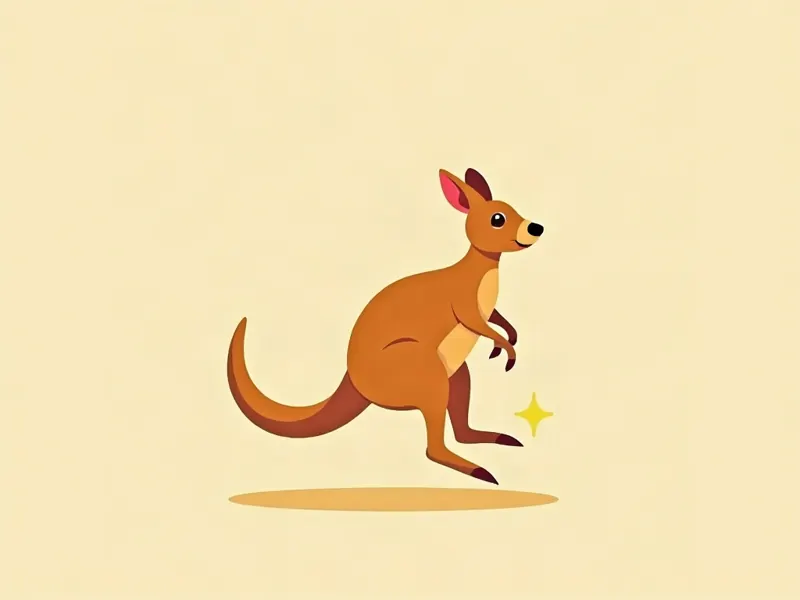
talus, ankle bone
🧠 TALL jump: the TALUS is the 'jumping bone' (springben) that takes the weight at the ankle when you land.
calcaneusShow answer
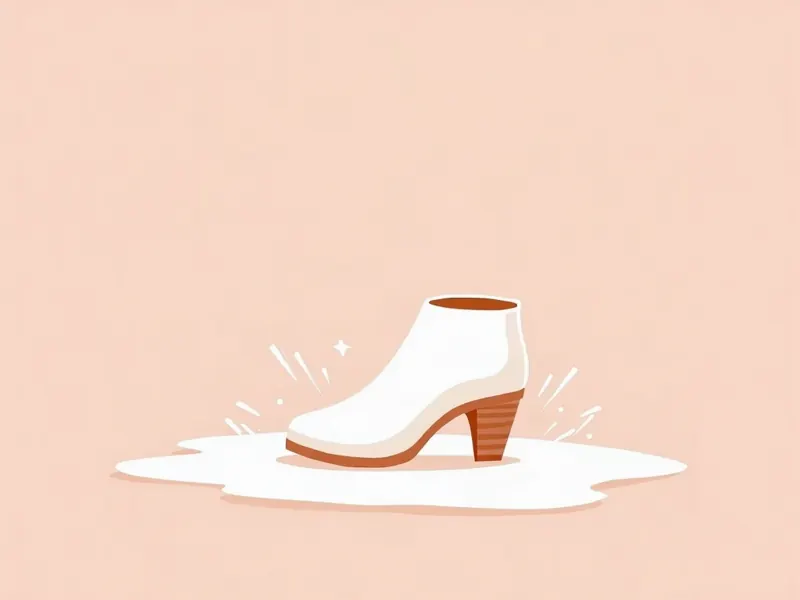
heel bone
🧠 Latin calx means heel (and a look-alike word calx means lime or chalk): a heel made of white CALCIUM chalk stamps on the ground.
ossa metatarsiShow answer
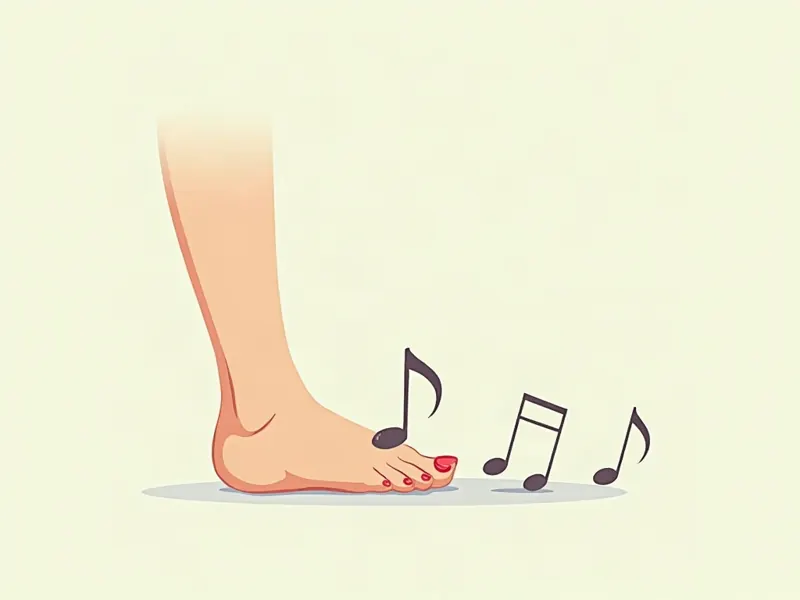
metatarsal bones
🧠 Meta- means 'after': these 5 bones come AFTER the ankle (tarsus), in the middle of the foot.
phalanges pedisShow answer
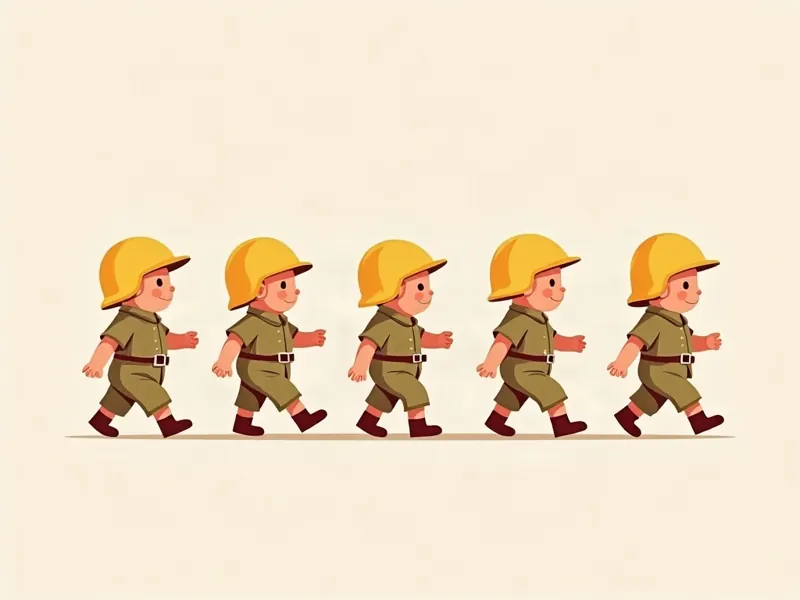
toe bones
🧠 A tiny PHALANX of soldiers marches on your toes: phalanges pedis are the toe bones (pes, pedis = foot, as in PEDal).
Heart, blood and breathing
corShow answer
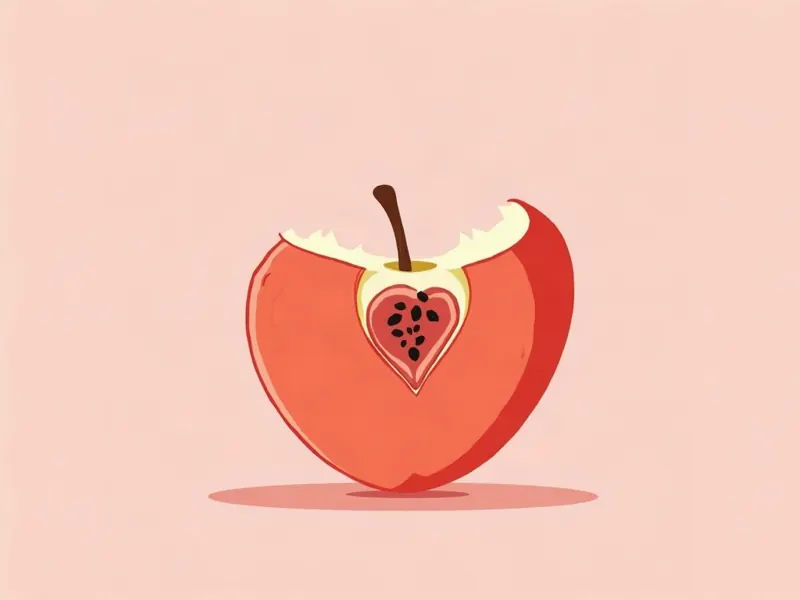
heart
🧠 Your heart is your CORE: an apple core shaped like a heart (Latin cor, as in cordial and courage).
aortaShow answer
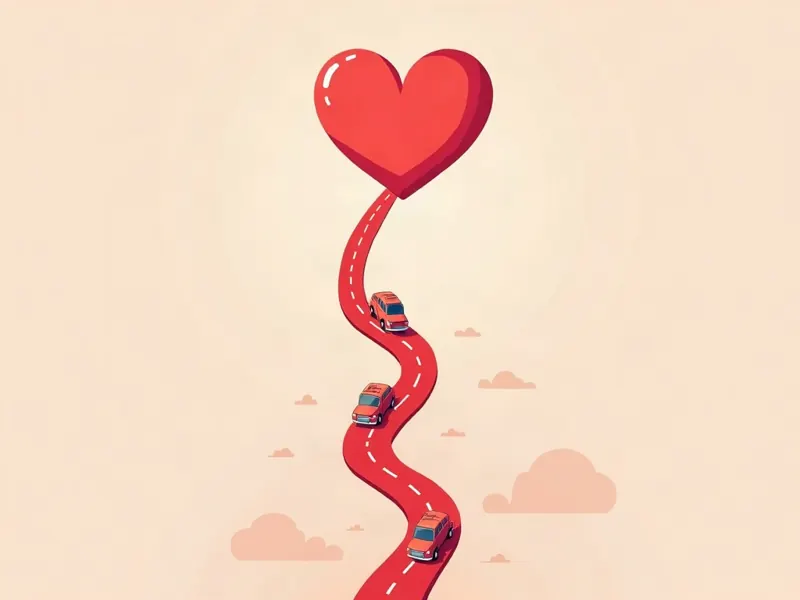
aorta
🧠 A huge red motorway curving up from the heart like a walking cane: the aorta is the main artery.
arteriaShow answer
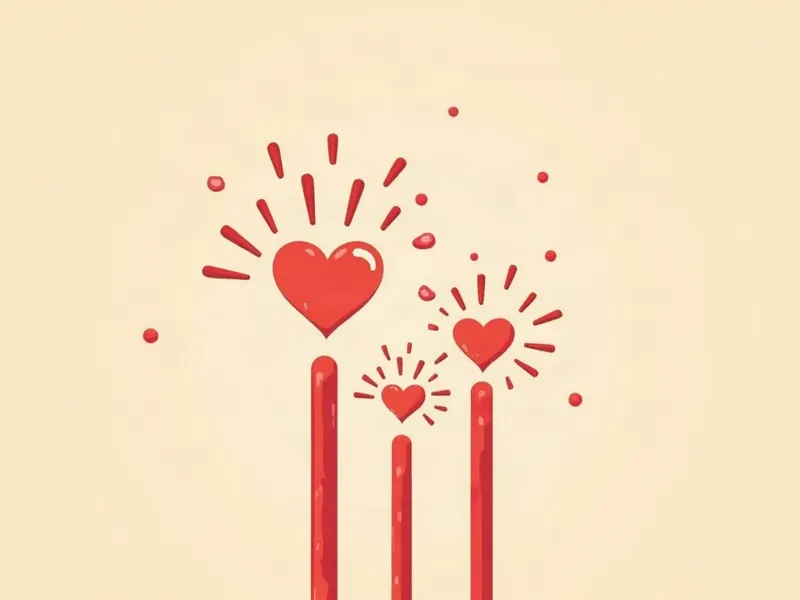
artery
🧠 ARTery = Away: arteries carry blood Away from the heart, pulsing like an ART performance.
venaShow answer
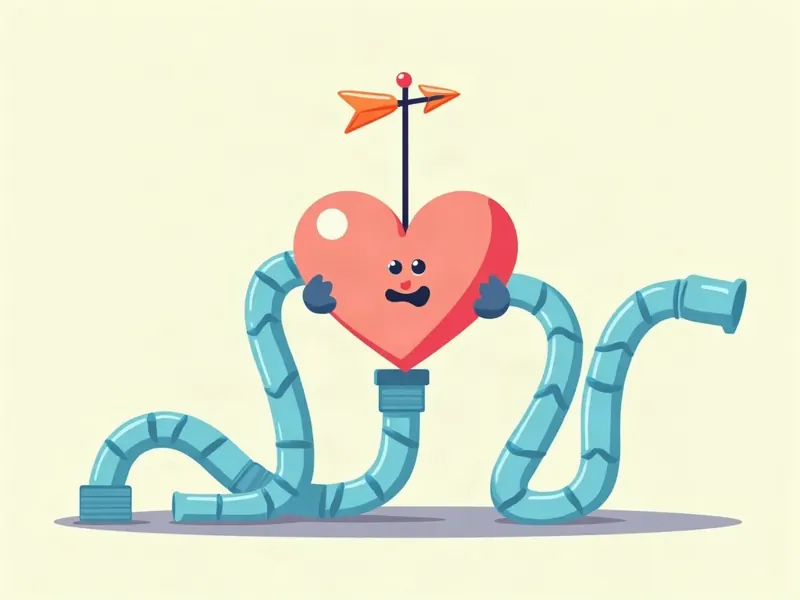
vein
🧠 Like a weather VANE pointing home, every vena leads blood back TO the heart.
pulmoShow answer
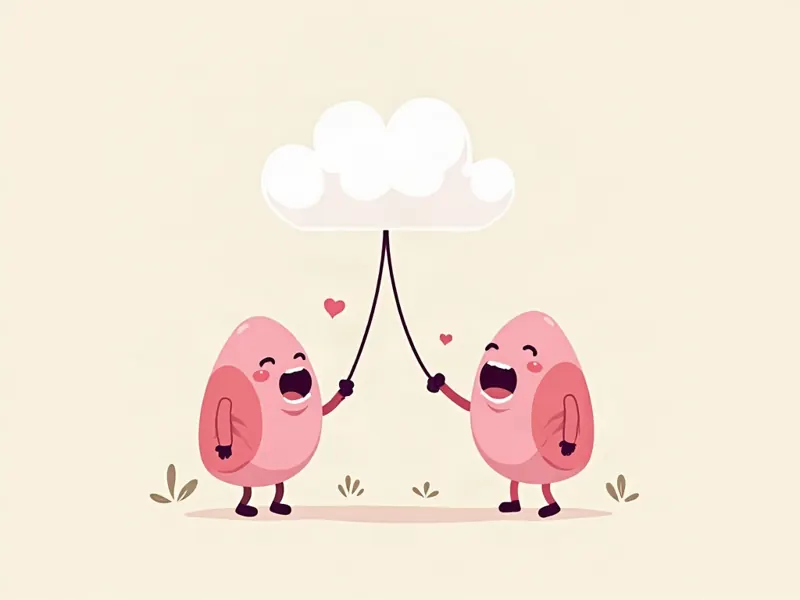
lung
🧠 PULL MOre air in: two lungs tug a cloud toward them with a rope.
tracheaShow answer
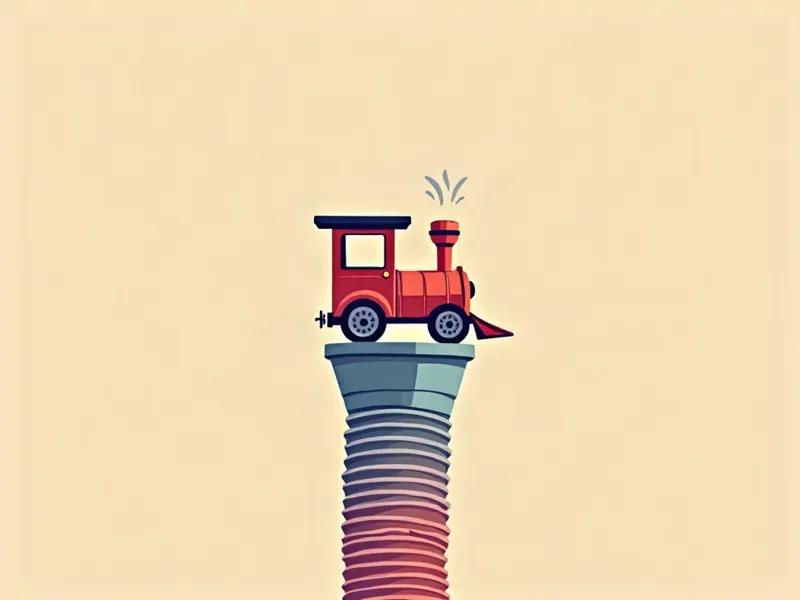
windpipe
🧠 A little TRAin runs down a ribbed TRACK into the chest: the trachea is the windpipe.
larynxShow answer
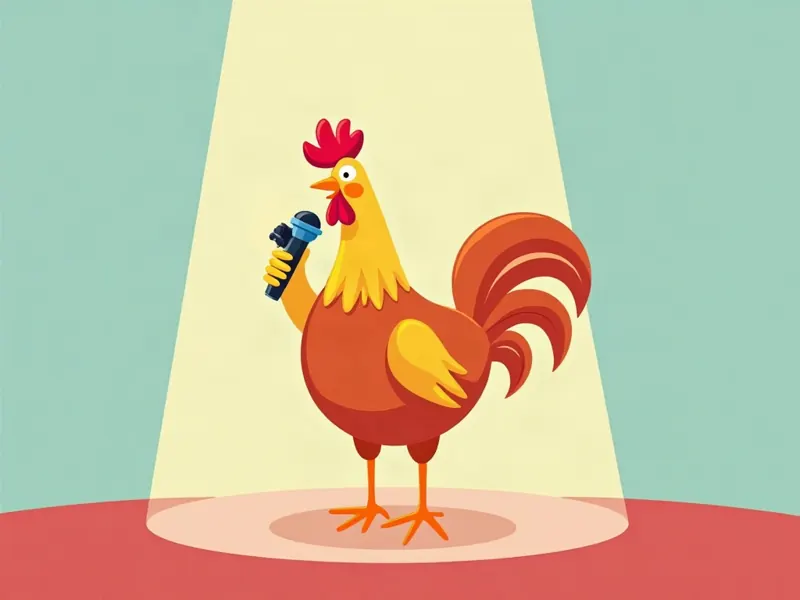
larynx, voice box
🧠 LARRY the singer warms up his voice box: the larynx holds the vocal cords.
pharynxShow answer
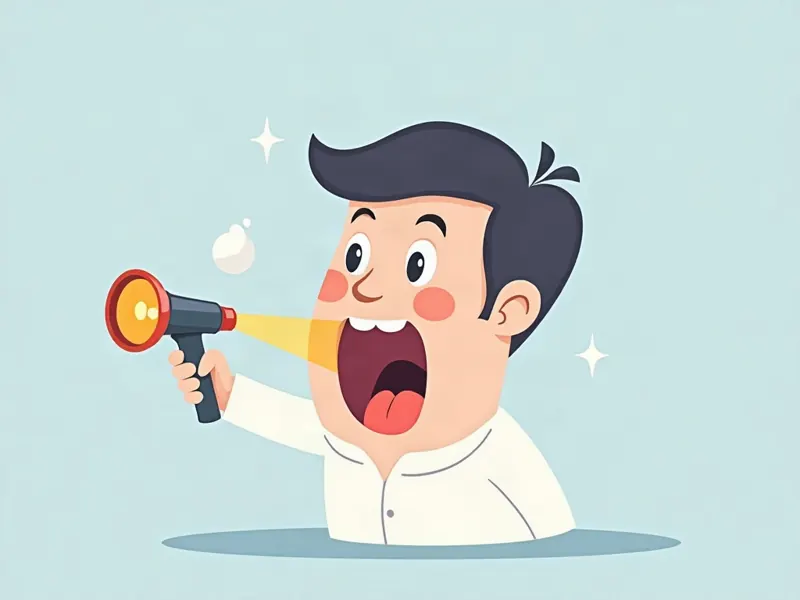
throat, pharynx
🧠 Shine a torch FAR down the throat: the pharynx is where air and food share the way.
bronchusShow answer
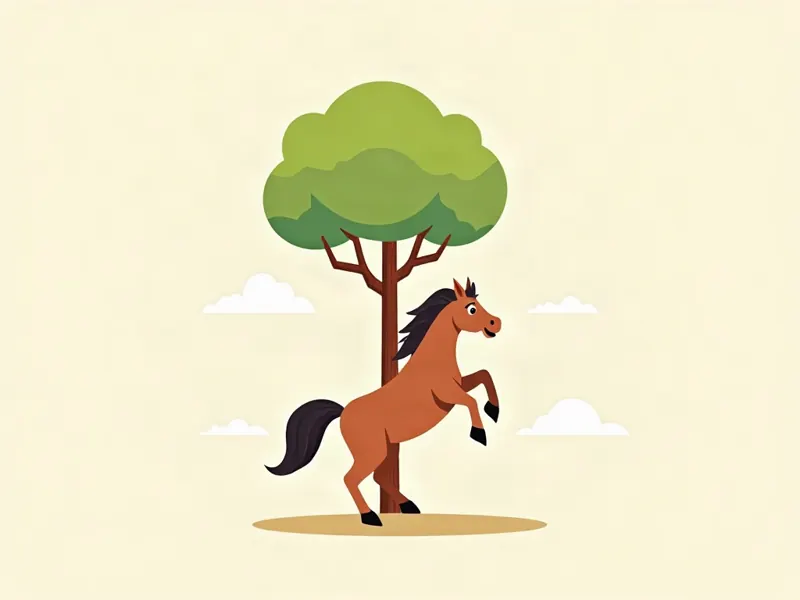
bronchus (airway)
🧠 A BRONCO horse bucks in the branches of an upside-down tree of airways: the bronchi.
lienShow answer
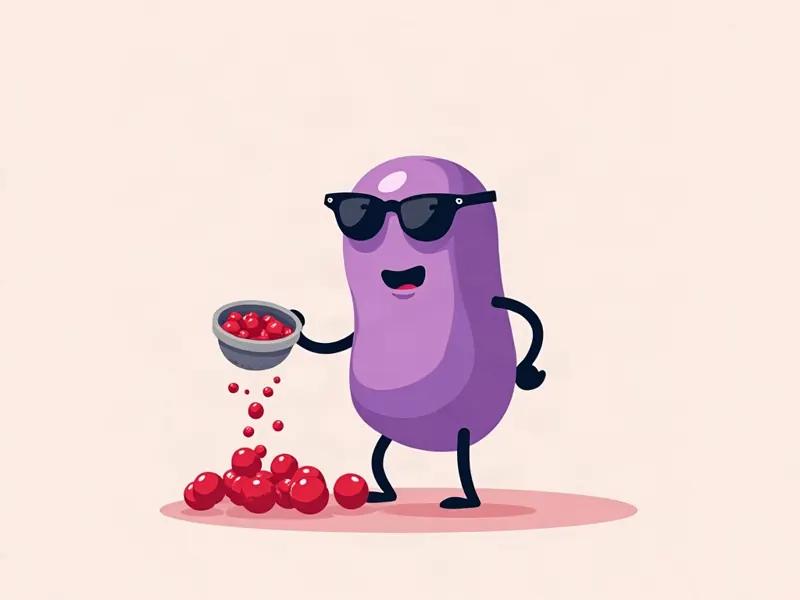
spleen
🧠 A LEAN purple bodyguard (lien = spleen) filters out old blood cells on the left side.
Digestion
linguaShow answer
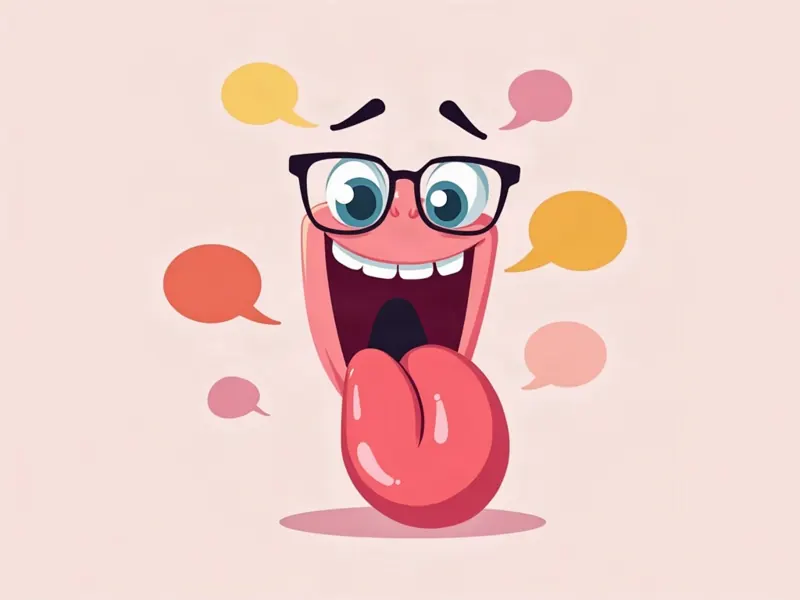
tongue
🧠 A LINGUIST speaks many languages with one busy TONGUE: lingua means tongue.
oesophagusShow answer
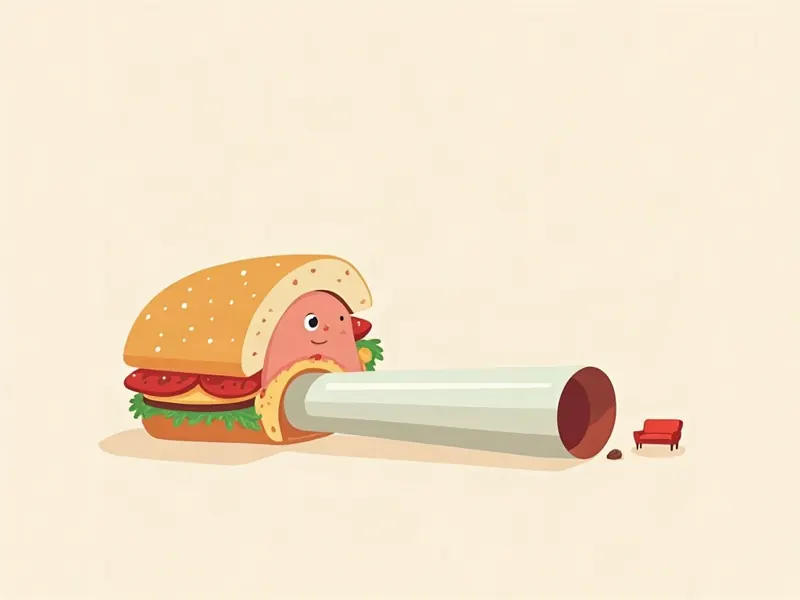
esophagus, gullet
🧠 Food slides down a long tube past a SOFA (oeSOPHAgus) to the stomach.
ventriculusShow answer
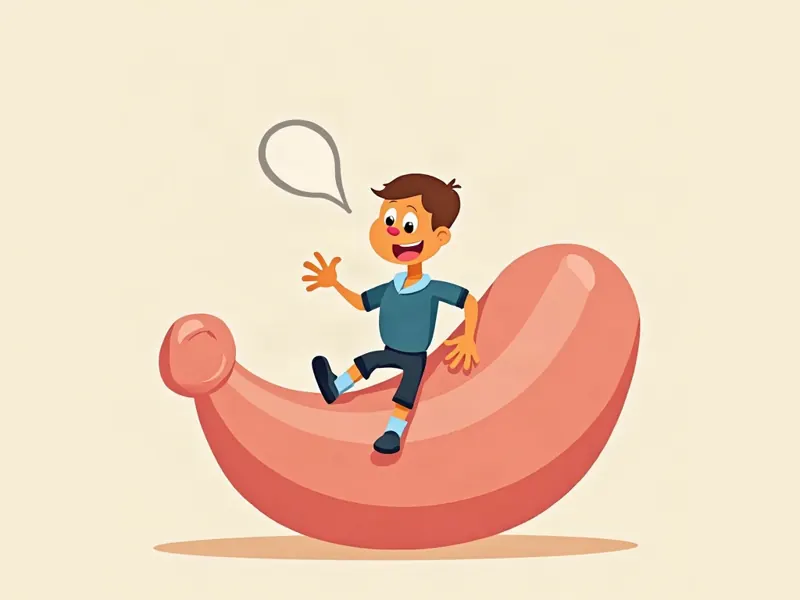
stomach
🧠 A VENTRILOQUIST speaks 'from the belly': ventriculus is the stomach (Greek name gaster, as in gastric).
heparShow answer
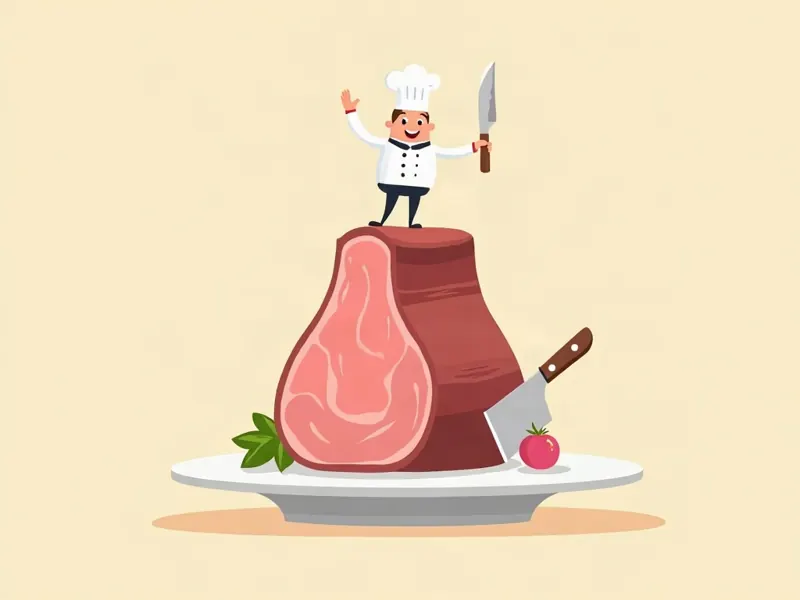
liver
🧠 A HEaP of PÂTé, which is made of liver: hepar means liver.
vesica felleaShow answer
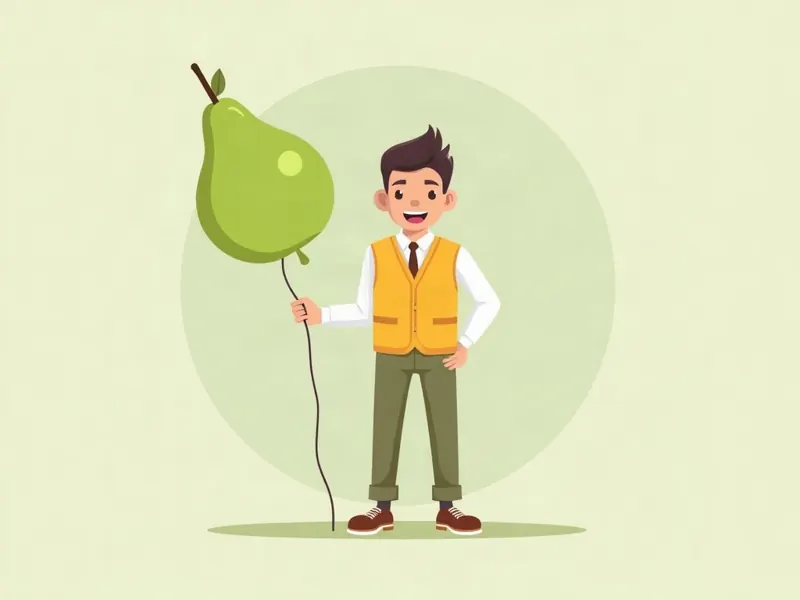
gallbladder
🧠 A FELLow keeps a little green balloon of bile in his VEST pocket under the liver: vesica fellea.
pancreasShow answer
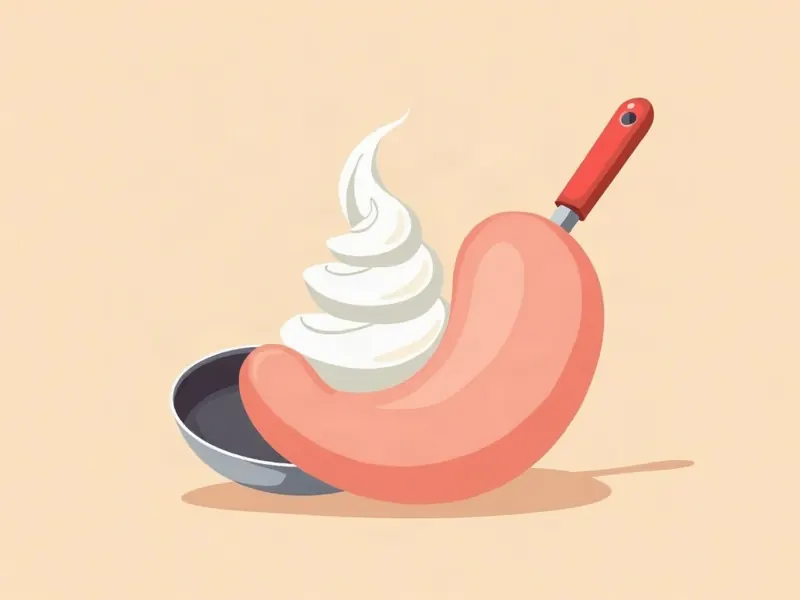
pancreas
🧠 A frying PAN full of CREAM hides behind the stomach: the pancreas.
duodenumShow answer
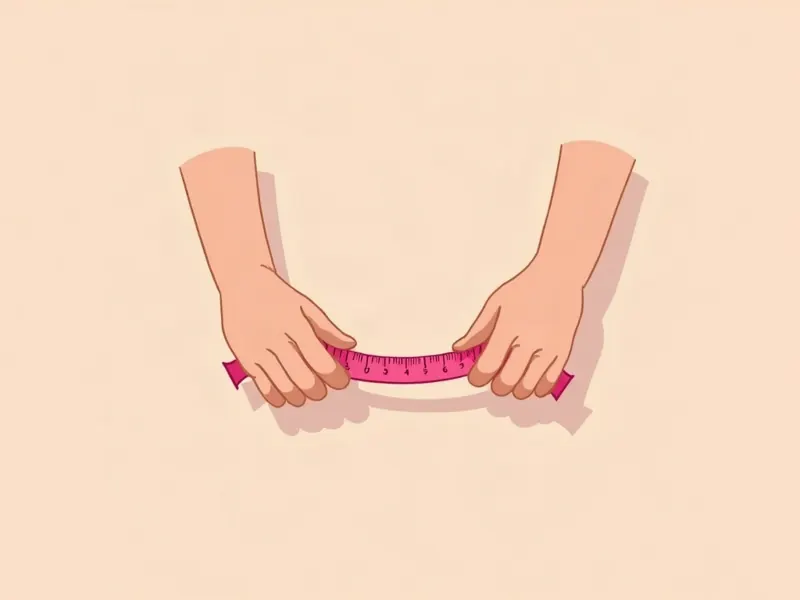
duodenum
🧠 Latin duodeni means twelve each: the duodenum is about TWELVE finger-widths long.
intestinum tenueShow answer
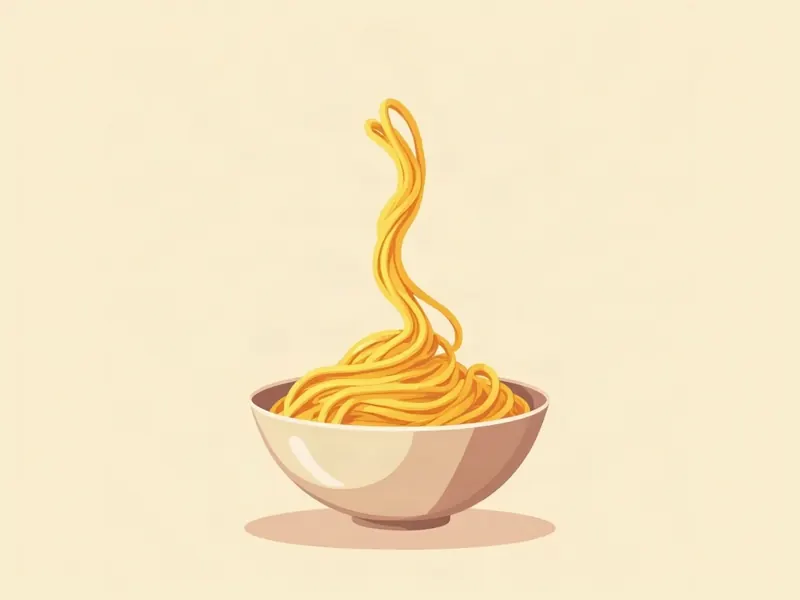
small intestine
🧠 TENUE sounds like TENUOUS: thin. A long thin spaghetti tube coils in the belly: the small intestine.
intestinum crassumShow answer
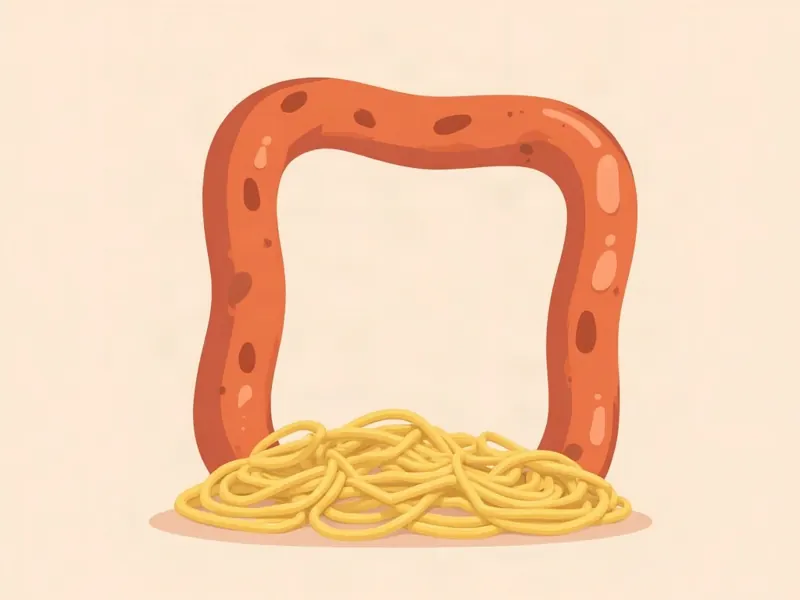
large intestine
🧠 CRASSUM means thick: a fat, CRASS sausage frames the belly like a picture frame: the large intestine.
appendix vermiformisShow answer
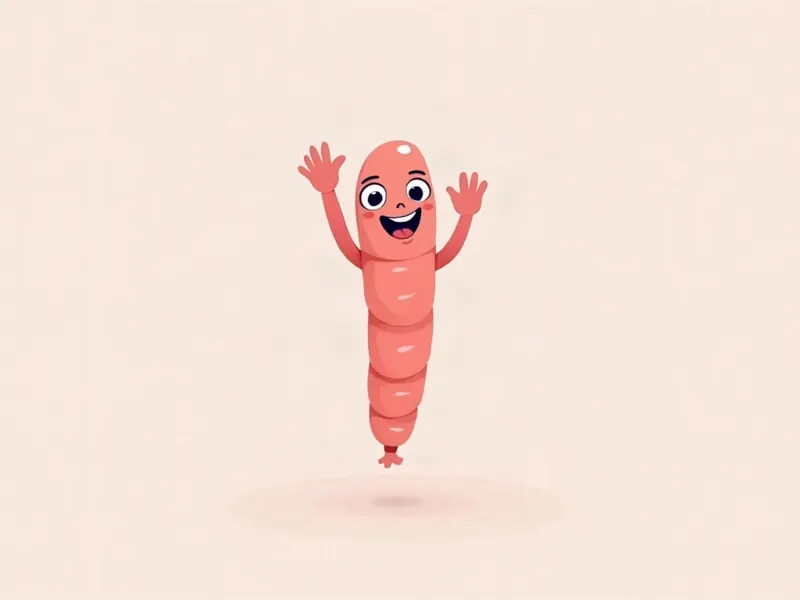
appendix
🧠 VERMIFORMIS means worm-shaped: a little pink worm hangs off the gut, low on the right.
rectumShow answer
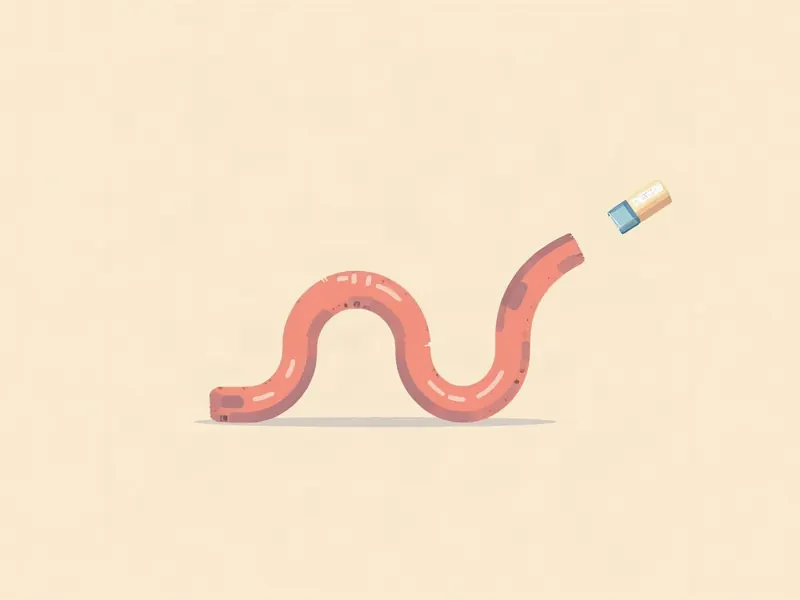
rectum
🧠 RECTUM means straight (as in RECTangle): the last straight stretch of the gut.
Nervous system and senses
cerebrumShow answer
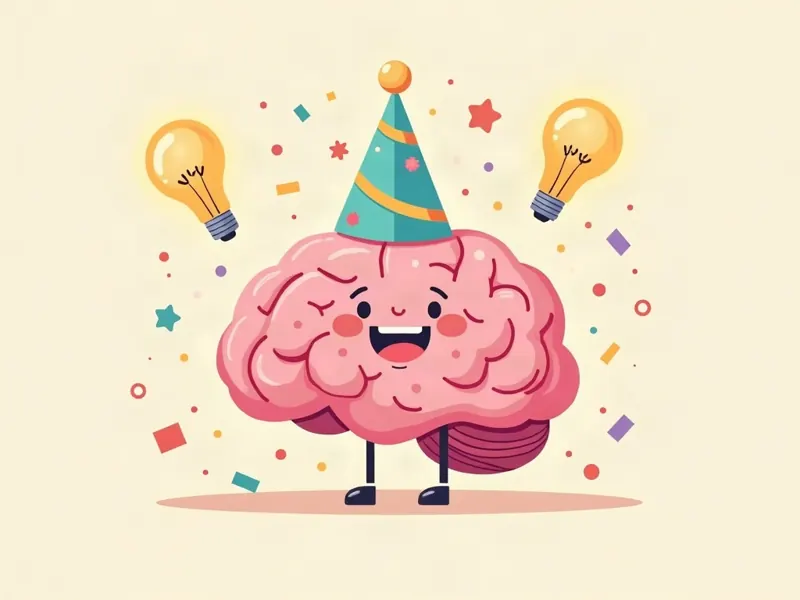
cerebrum (brain)
🧠 A big brain wearing a party hat CELEBRATES its clever ideas: the cerebrum.
cerebellumShow answer
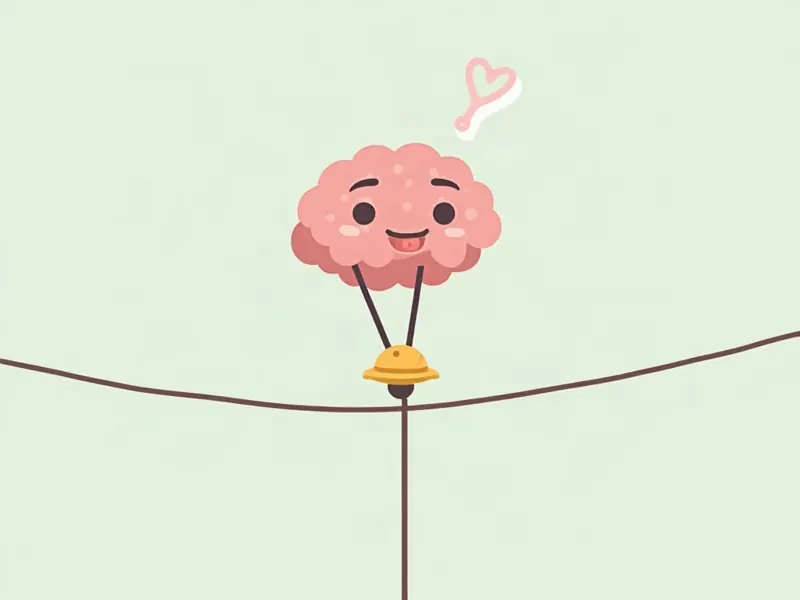
cerebellum (little brain)
🧠 CEREBELLUM is the 'little brain': a little brain with a BELL balances on a tightrope.
truncus encephaliShow answer
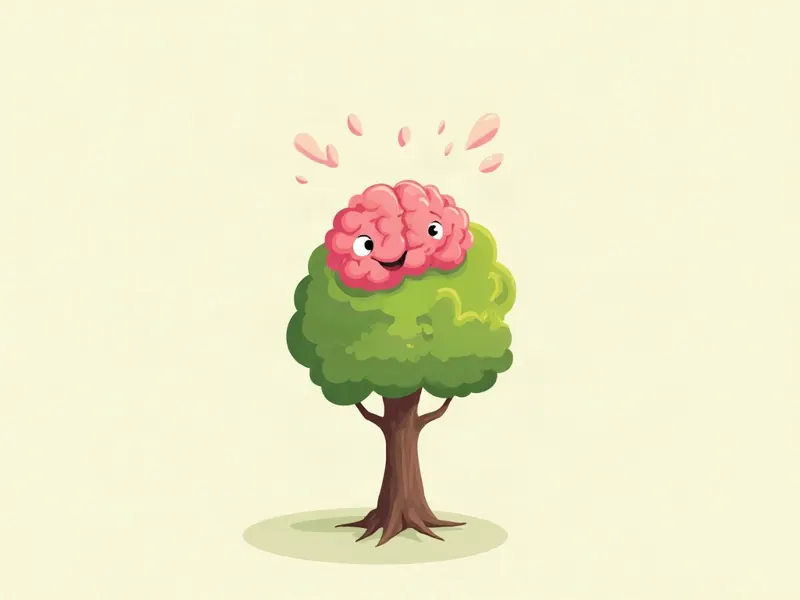
brainstem
🧠 TRUNCUS means trunk: the brain is a treetop on a TRUNK, the brainstem, that keeps you breathing.
medulla spinalisShow answer
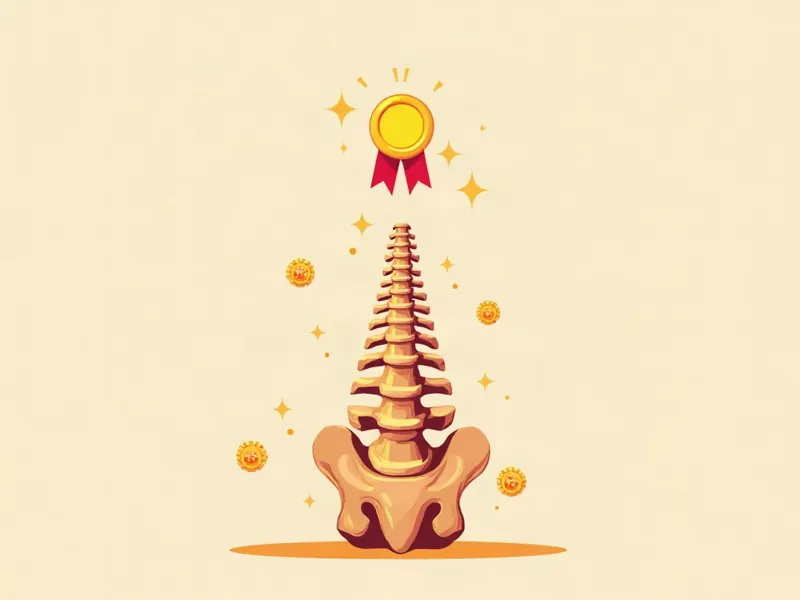
spinal cord
🧠 MEDULLA means marrow: a long string of MEDALS runs down inside the spine.
nervusShow answer
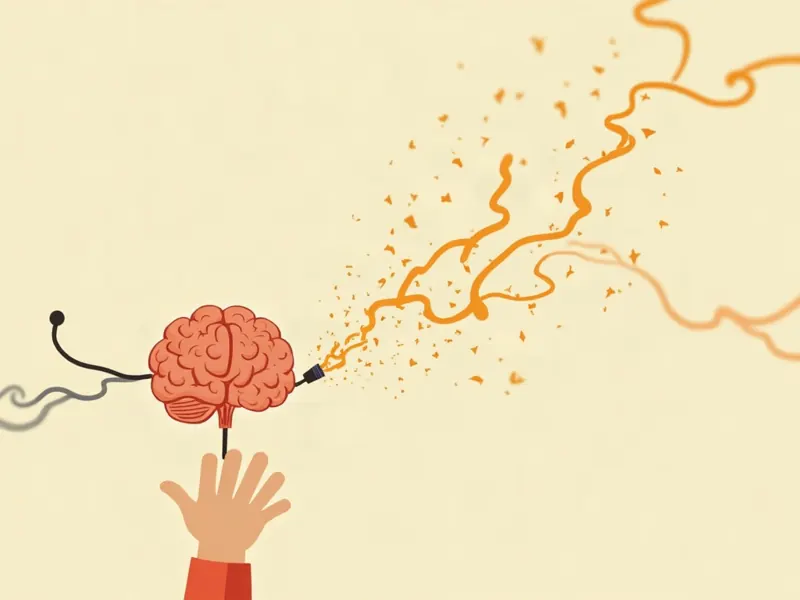
nerve
🧠 A NERVOUS little cable sparks as it carries messages: nervus means nerve.
oculusShow answer
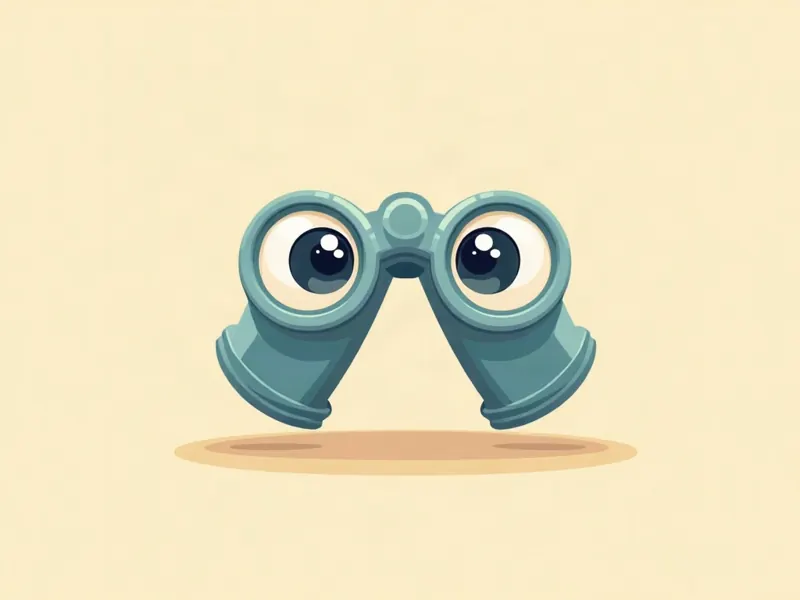
eye
🧠 BINOCULars have two OCULI, two eyes: oculus means eye.
aurisShow answer
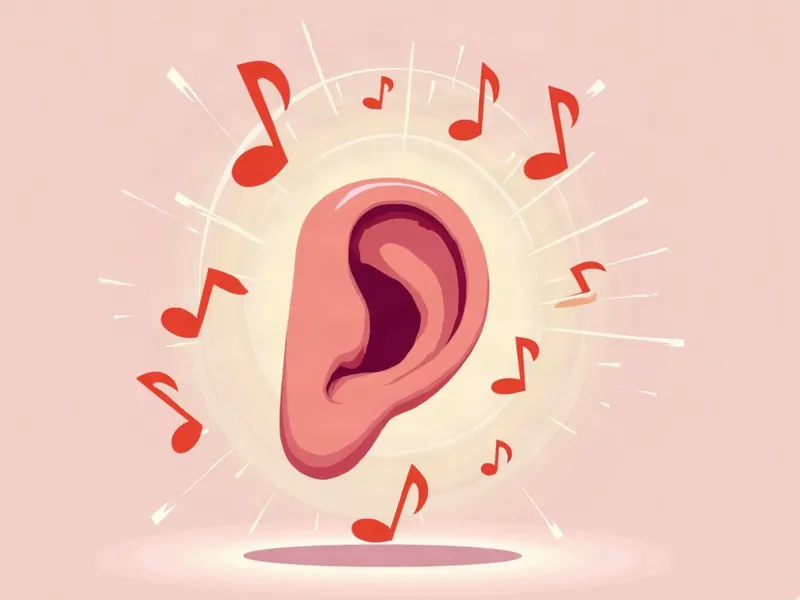
ear
🧠 An AURA of music swirls around a giant EAR: auris means ear.
Urinary system, hormones and skin
renShow answer
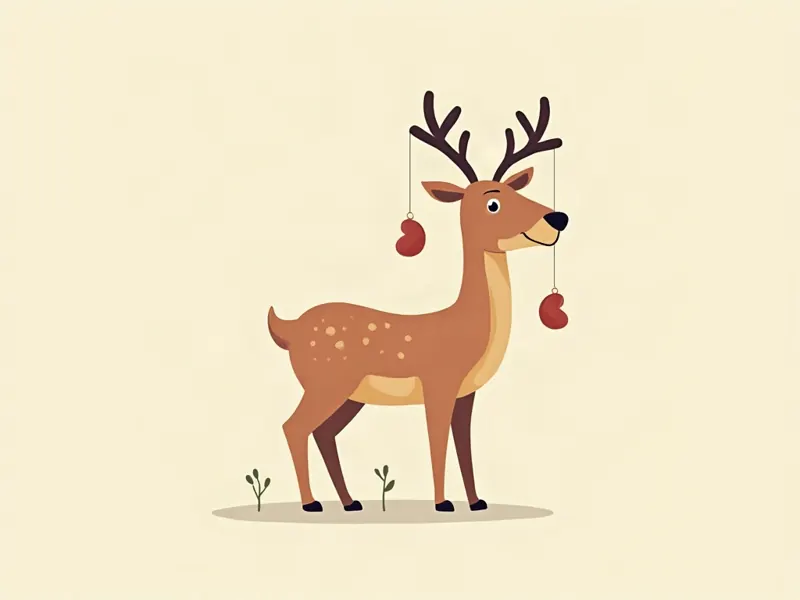
kidney
🧠 A REiNdeer hangs two kidneys on its antlers: ren means kidney (as in RENal).
ureterShow answer
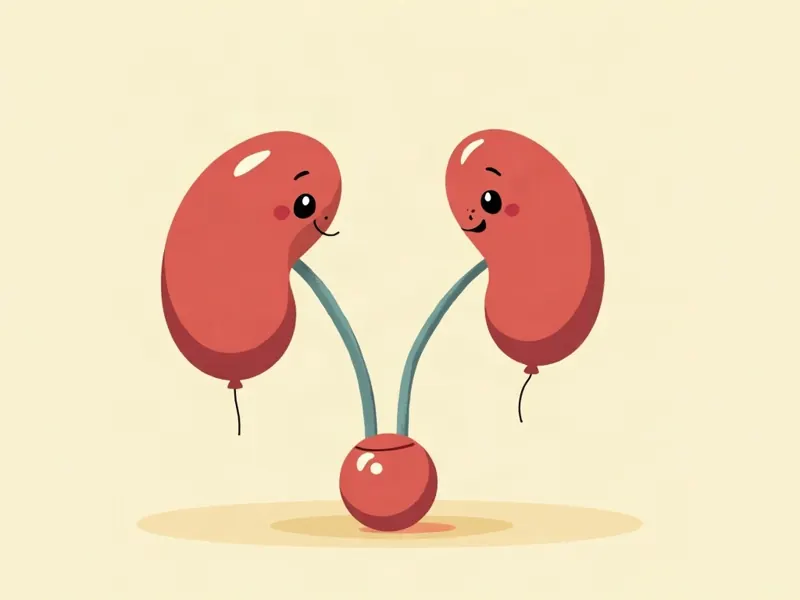
ureter
🧠 Two thin straws lead from the kidneys down to the bladder: the URETERs (two of them, two E's).
vesica urinariaShow answer
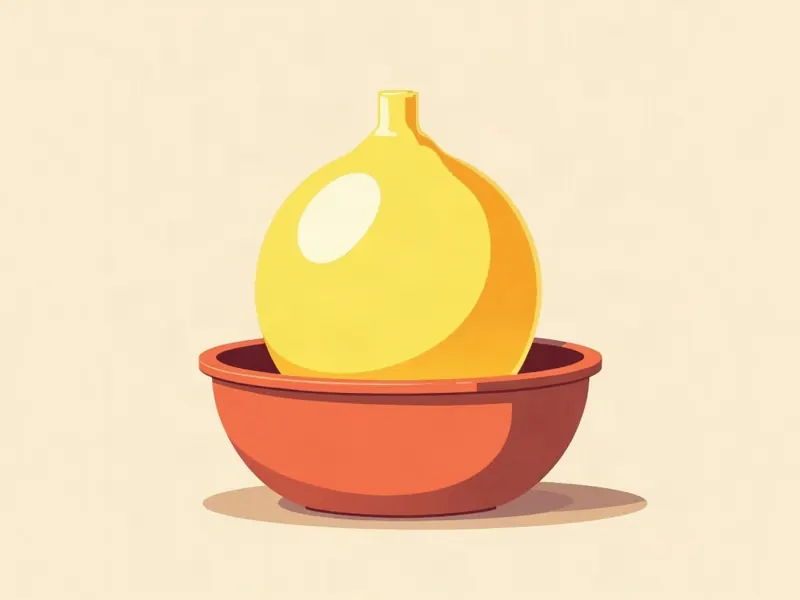
urinary bladder
🧠 VESICA means bladder (a little bag): a balloon full of yellow water sits in the pelvis.
urethraShow answer
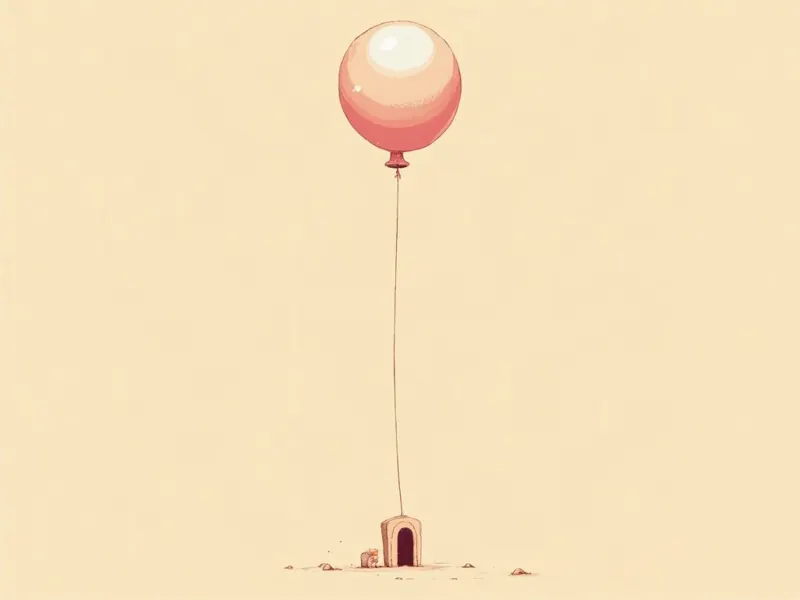
urethra
🧠 URETHRA is the exit pipe: one E, one single tube leading OUT from the bladder.
glandula thyroideaShow answer
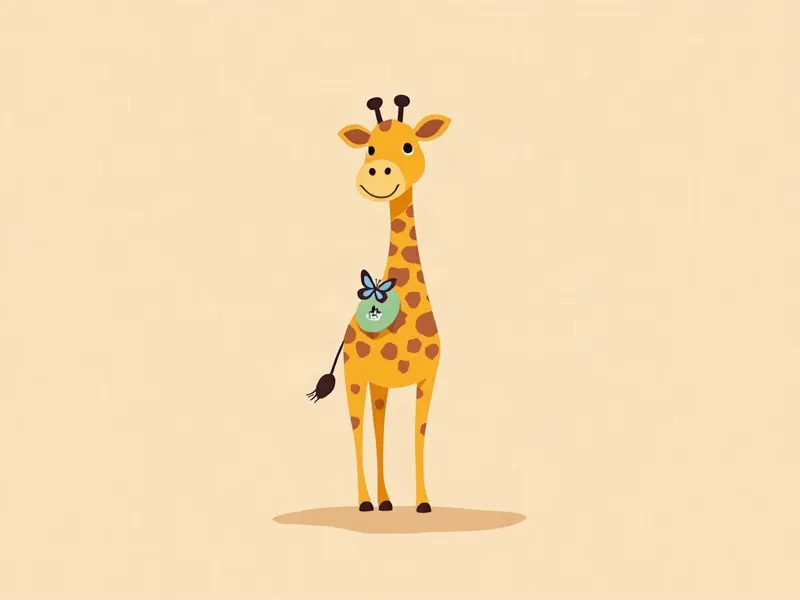
thyroid gland
🧠 Greek thyreos means shield: a butterfly-shaped SHIELD guards the front of the neck.
glandula suprarenalisShow answer
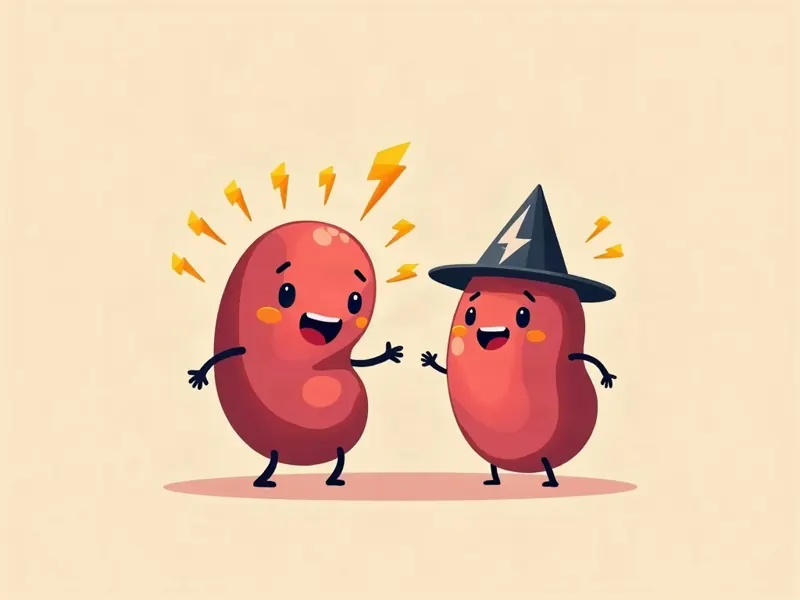
adrenal gland
🧠 SUPRA-RENAL means 'above the kidney': a tiny superhero hat sits on each kidney and pumps out adrenaline.
hypophysisShow answer
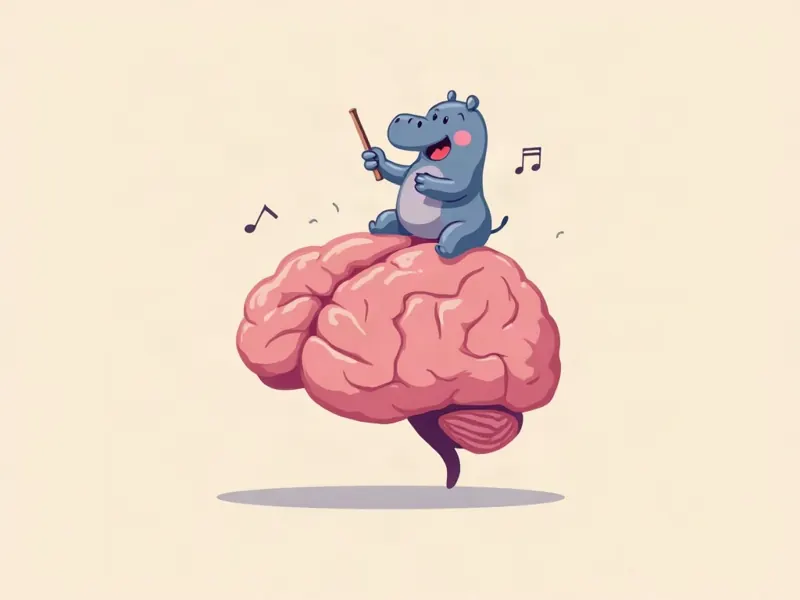
pituitary gland
🧠 HYPO means under: a pea-sized HIPPO conductor hangs UNDER the brain and directs the hormone orchestra.
cutisShow answer
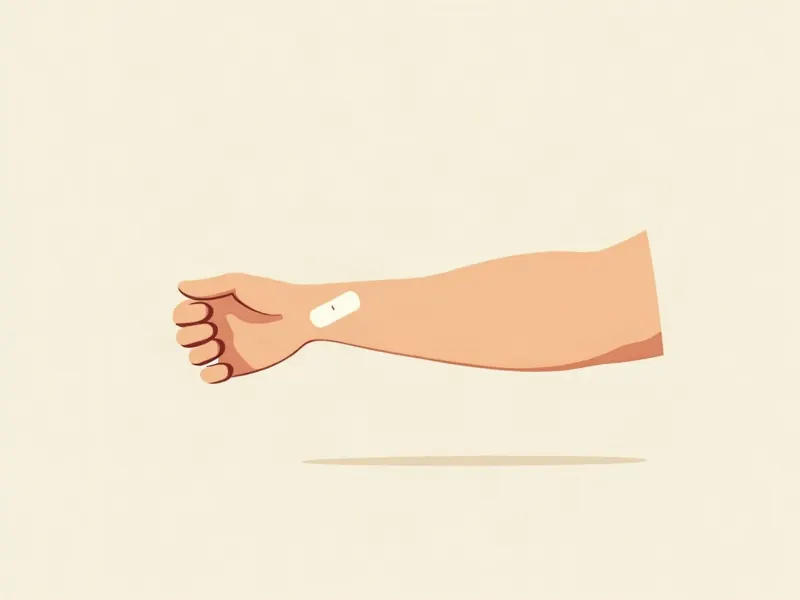
skin
🧠 CUTe skin with a small CUT and a plaster: cutis means skin (as in subCUTaneous).
Head and neck
musculus masseterShow answer
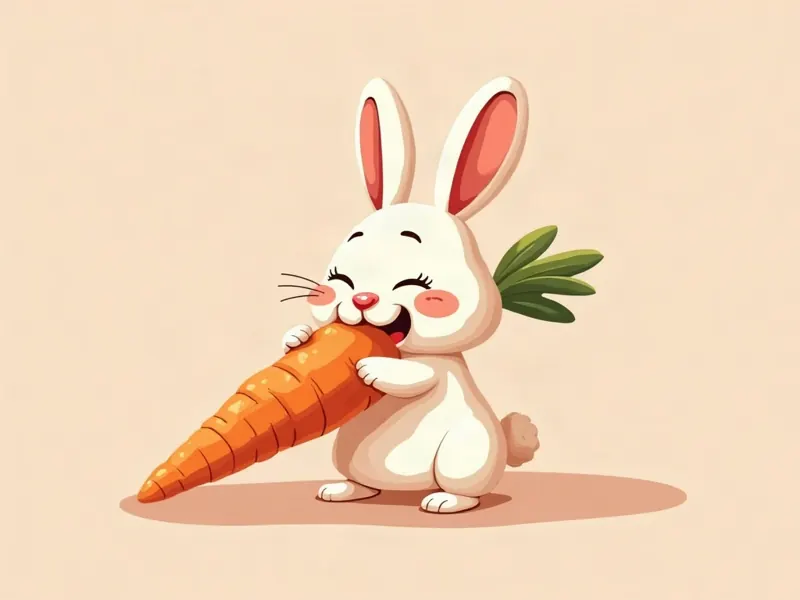
masseter (chewing muscle)
🧠 Greek masētēr means chewer: a MASSIVE muscle on the cheek crunches a giant carrot.
musculus temporalisShow answer
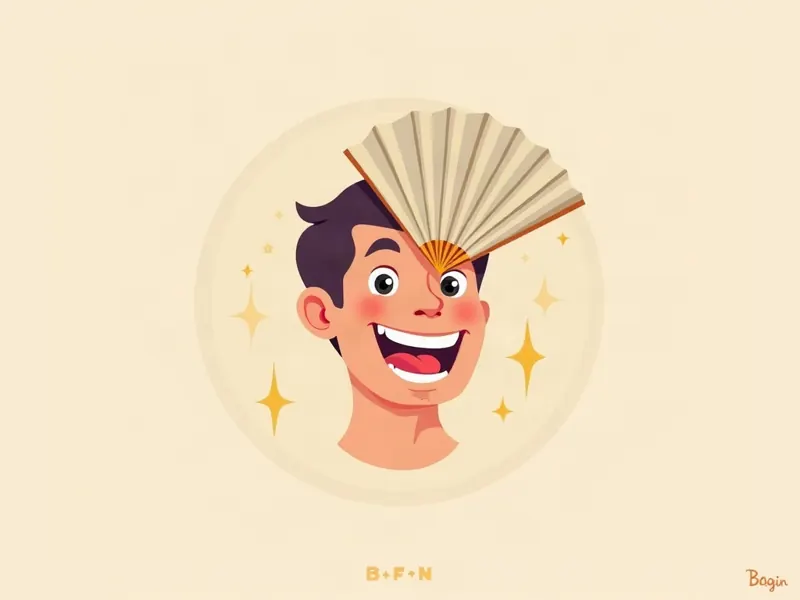
temporalis
🧠 A FAN spreads over your TEMPLE and tightens when you clench your teeth: musculus temporalis.
musculus orbicularis oculiShow answer
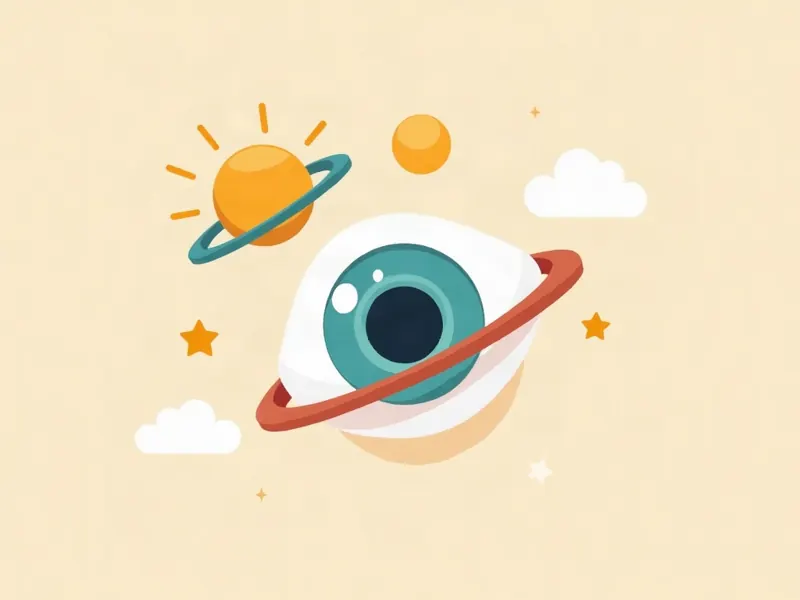
orbicularis oculi
🧠 ORBIcularis: a ring that ORBITS the eye (OCULI) and squeezes it shut against the sun.
musculus orbicularis orisShow answer
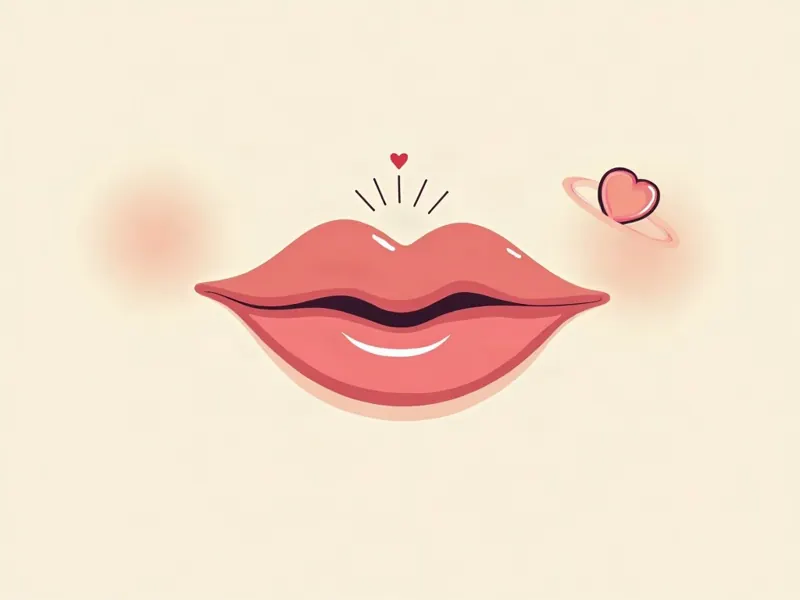
orbicularis oris
🧠 ORBIcularis ORIS: a ring around the mouth (os, oris) that puckers the lips for a kiss.
musculus buccinatorShow answer
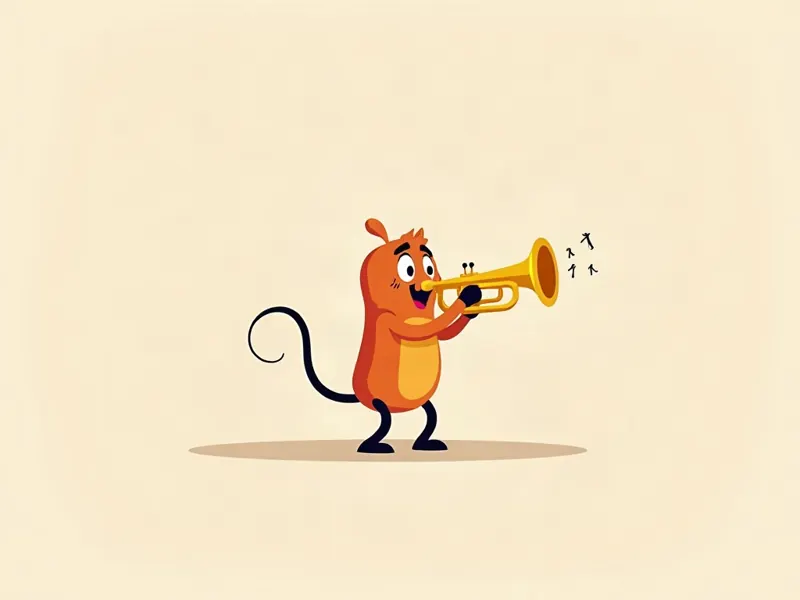
buccinator (cheek muscle)
🧠 Latin buccina means trumpet: a TRUMPETER blows with tight cheeks, using the buccinator.
musculus zygomaticus majorShow answer
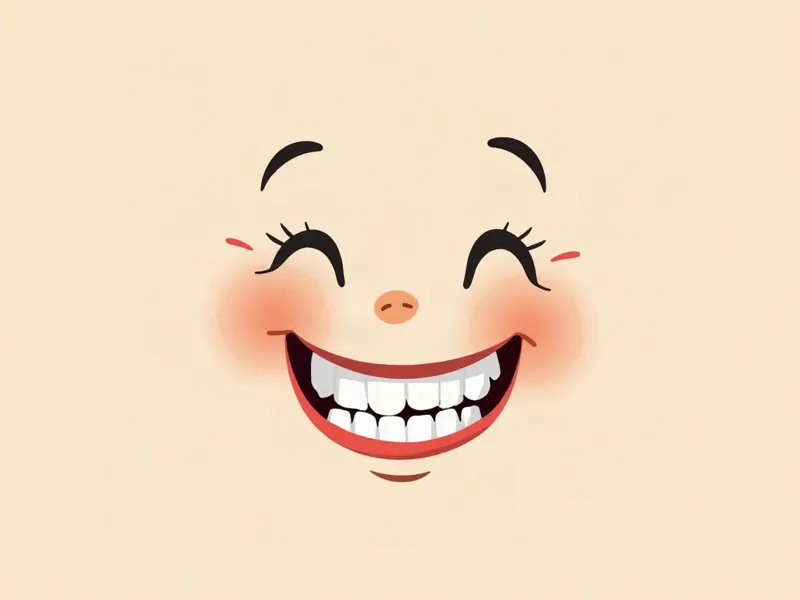
zygomaticus major (smiling muscle)
🧠 A big ZIG-ZAG line from the cheekbone pulls the mouth into a huge smile.
musculus sternocleidomastoideusShow answer
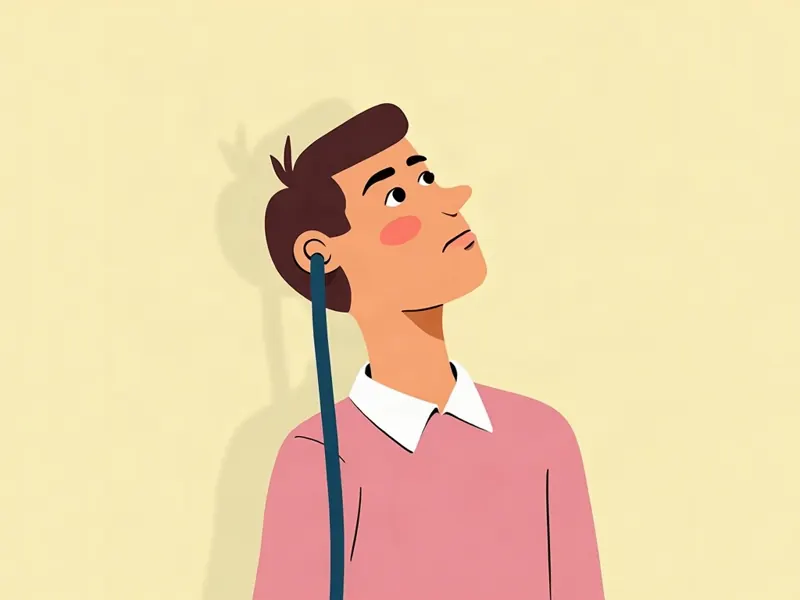
sternocleidomastoid
🧠 Its name is its route: STERNO (breastbone) + CLEIDO (collarbone) + MASTOID (bump behind the ear), the strap you see when you turn your head.
Trunk
musculus pectoralis majorShow answer

pectoralis major (chest muscle)
🧠 A bodybuilder bounces his PECS: pectoralis major (Latin pectus, chest) hugs the arms across the chest.
musculus rectus abdominisShow answer
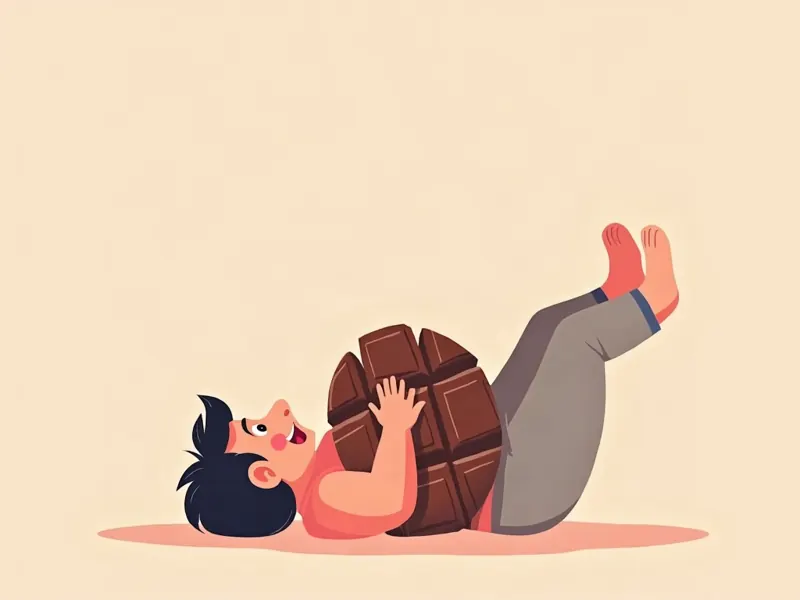
rectus abdominis (six-pack)
🧠 RECTUS means straight: a straight row of chocolate squares down the belly does a sit-up.
musculus obliquus externus abdominisShow answer
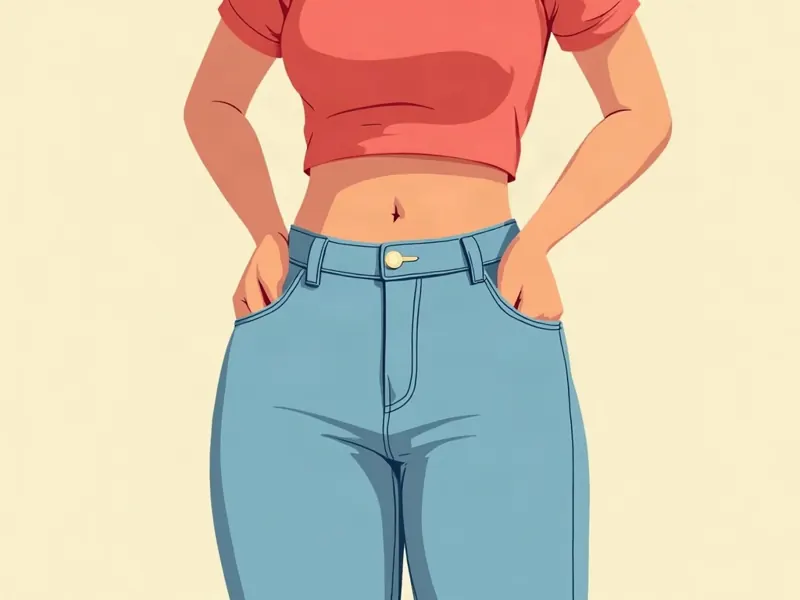
external oblique
🧠 OBLIQUE means slanted: its fibres run like hands slid into front pockets as you twist your trunk.
musculus transversus abdominisShow answer
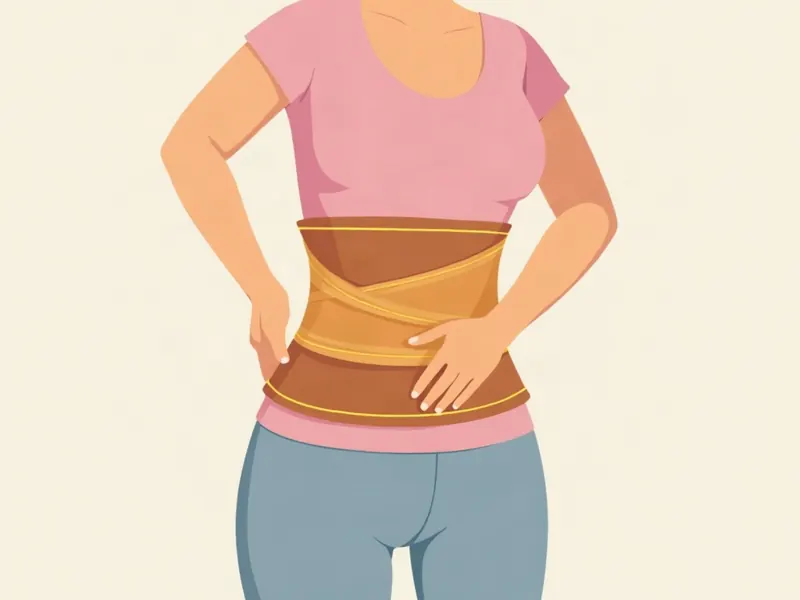
transversus abdominis
🧠 TRANSVERSE means across: a belt-like corset wraps ACROSS the belly and pulls it in.
musculus trapeziusShow answer
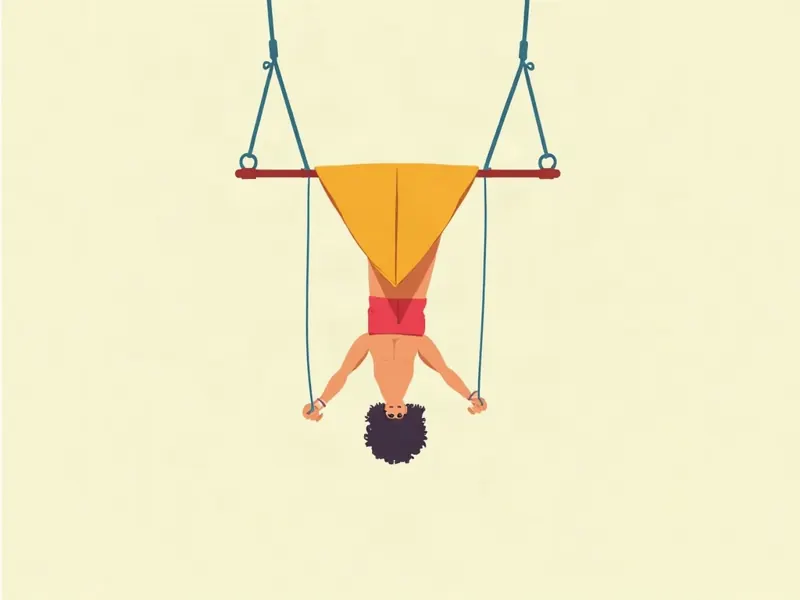
trapezius
🧠 A TRAPEZE artist shrugs and pulls the shoulders back: the trapezius together forms a trapezium shape on the back.
musculus latissimus dorsiShow answer
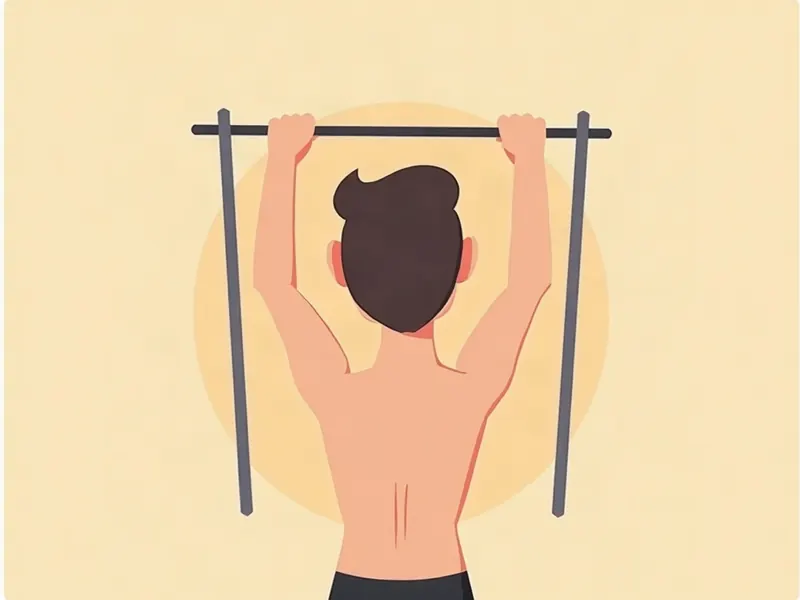
latissimus dorsi
🧠 LATISSIMUS DORSI means 'widest of the back': the muscle that turns your back into a V when you do pull-ups.
musculus erector spinaeShow answer
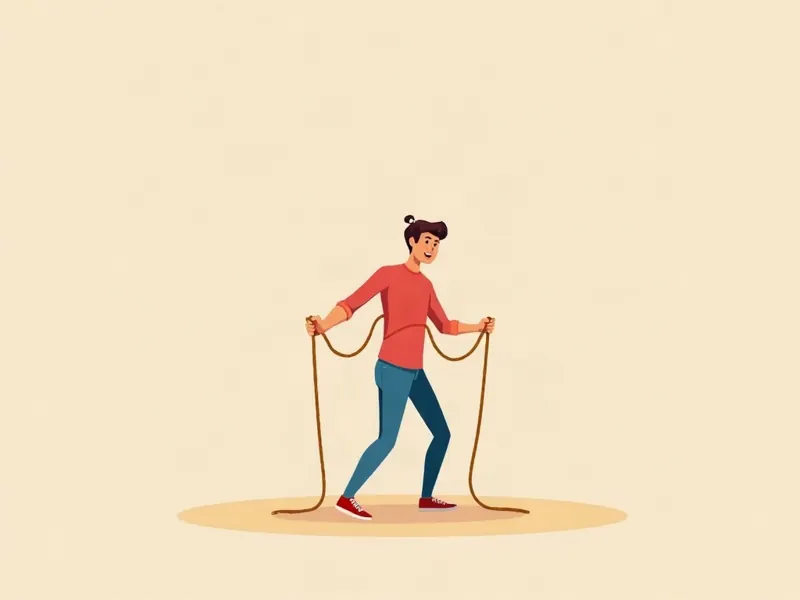
erector spinae
🧠 ERECTOR SPINAE 'erects the spine': two crane ropes along the back pull a slumped person upright.
diaphragmaShow answer
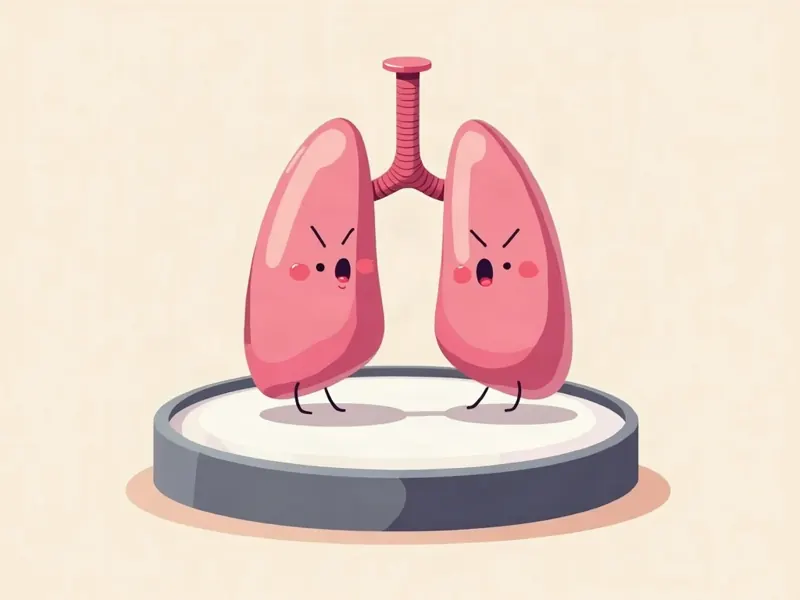
diaphragm
🧠 A DIAPHRAGM is a domed drum skin under the lungs: it pulls down and the lungs fill with air.
musculi intercostales externiShow answer
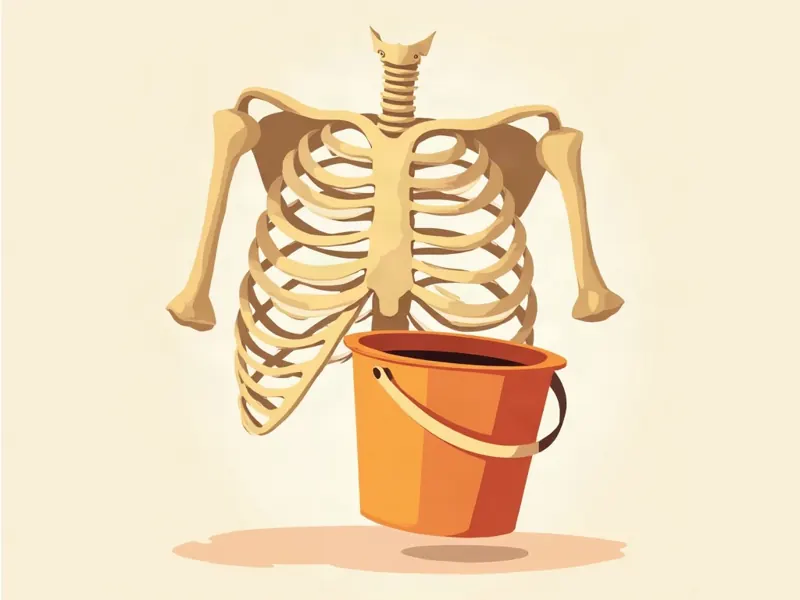
external intercostal muscles
🧠 INTER COSTAles means 'between the ribs': they lift the rib cage like the handle of a bucket when you breathe in.
Shoulder and arm
musculus deltoideusShow answer
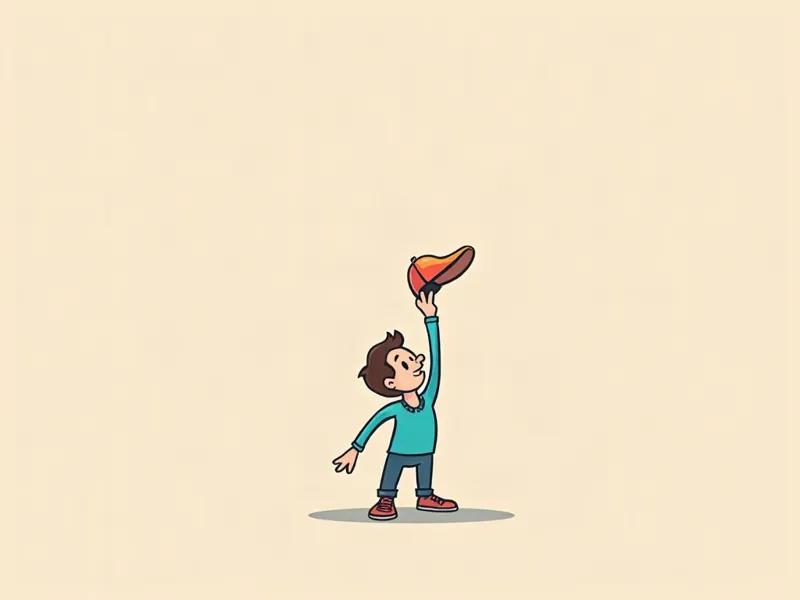
deltoid (shoulder muscle)
🧠 Shaped like the Greek letter DELTA, a triangle: a triangular cap on the shoulder lifts the arm sideways.
musculus biceps brachiiShow answer
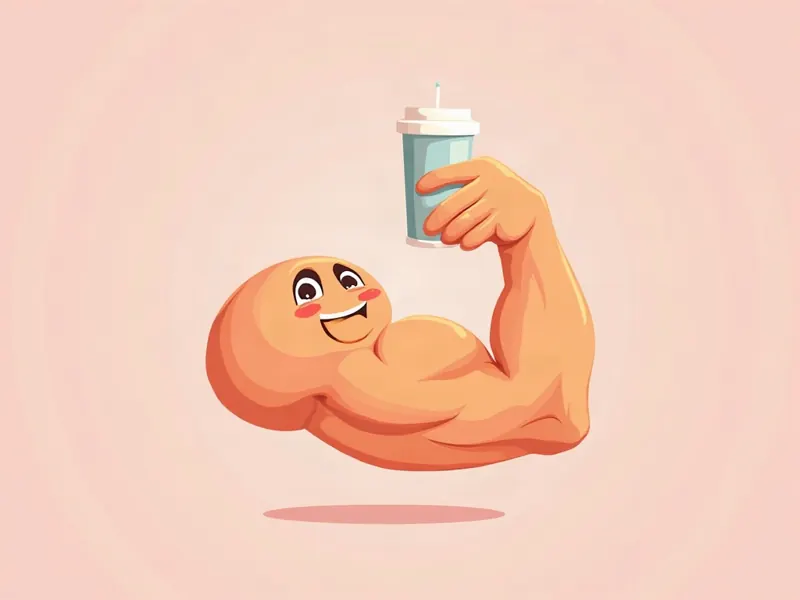
biceps
🧠 BI-CEPS means 'two heads': a muscle with two tiny heads flexes the arm to lift a cup.
musculus triceps brachiiShow answer
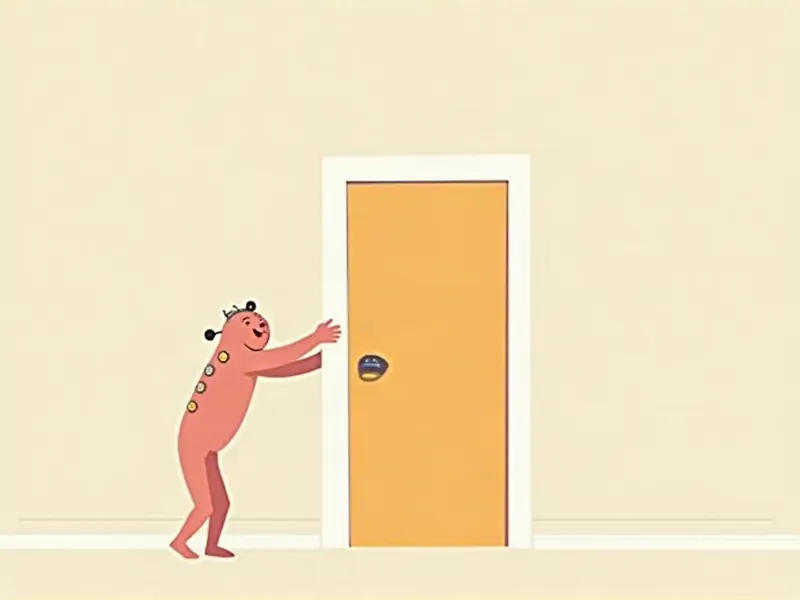
triceps
🧠 TRI-CEPS means 'three heads': a muscle on the back of the arm pushes a door open by straightening the elbow.
musculus brachialisShow answer
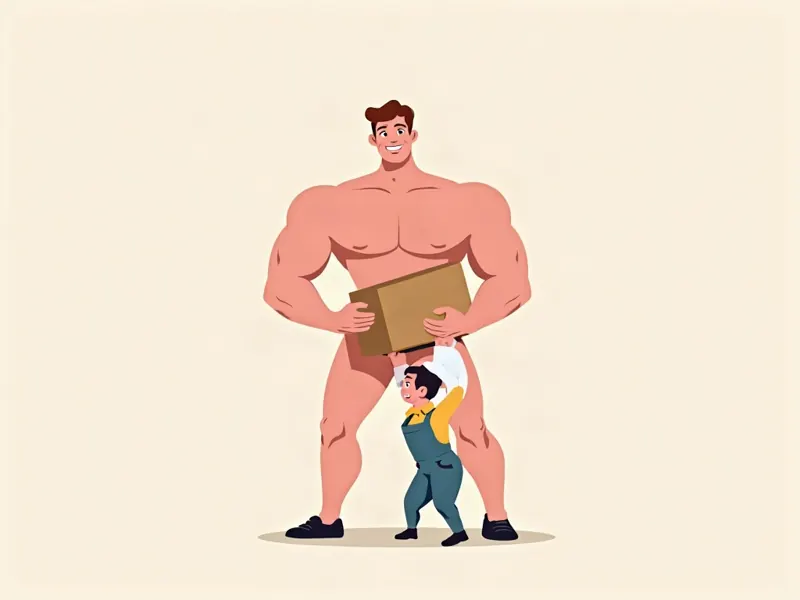
brachialis
🧠 BRACHIUM means arm: under the show-off biceps, the hard-working brachialis does the real lifting.
musculus brachioradialisShow answer
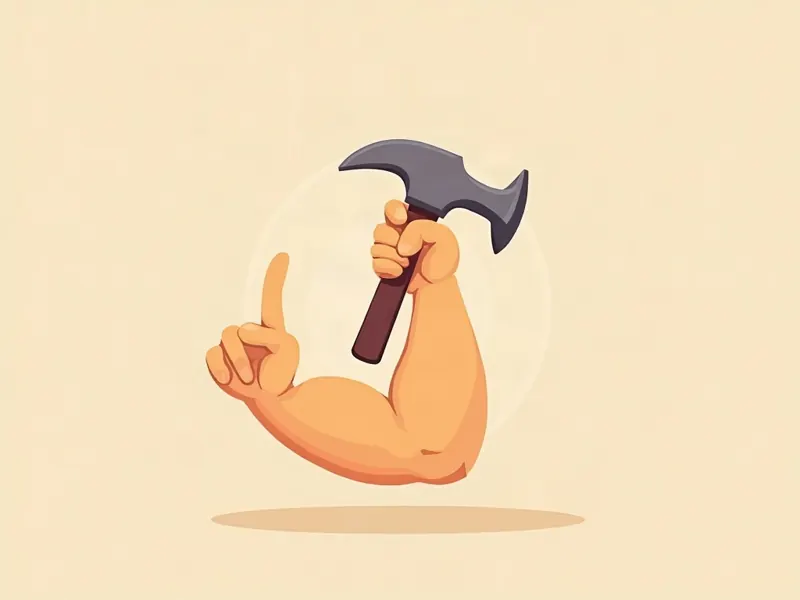
brachioradialis
🧠 BRACHIO-RADIALIS runs from the arm (brachium) to the radius: it lifts a hammer held thumb-up.
musculus supraspinatusShow answer
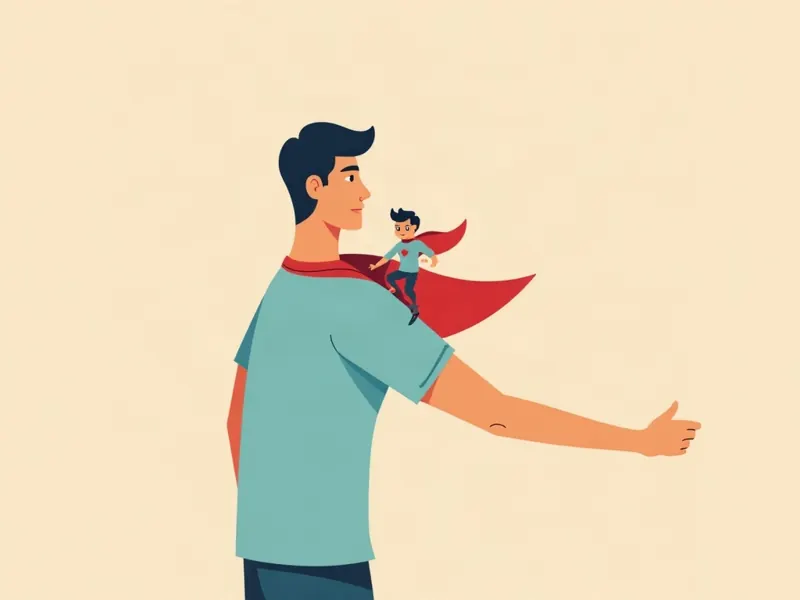
supraspinatus
🧠 SUPRA-SPINATUS sits ABOVE the spine of the shoulder blade, like a superhero starting the arm's lift-off.
musculus infraspinatusShow answer
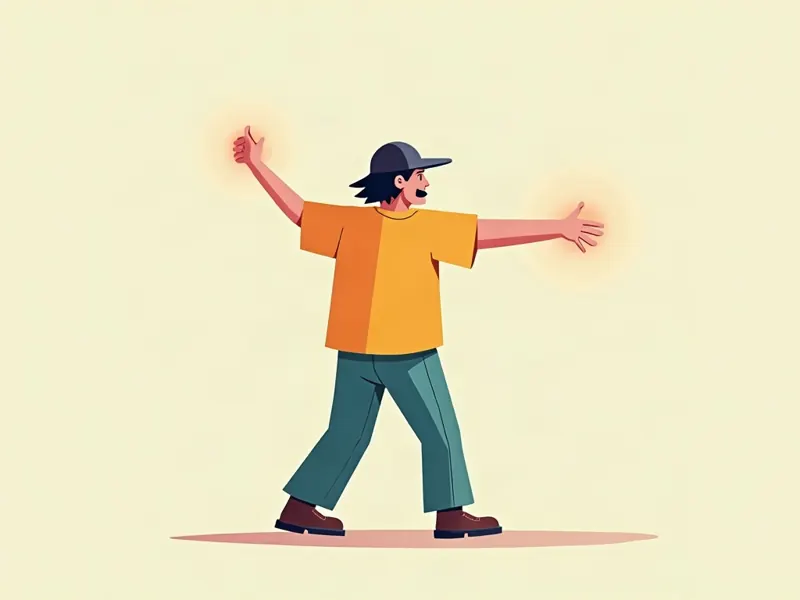
infraspinatus
🧠 INFRA-red is below red: INFRASPINATUS sits BELOW the spine of the shoulder blade and turns the arm outward, like a hitchhiker.
Hip and leg
musculus gluteus maximusShow answer
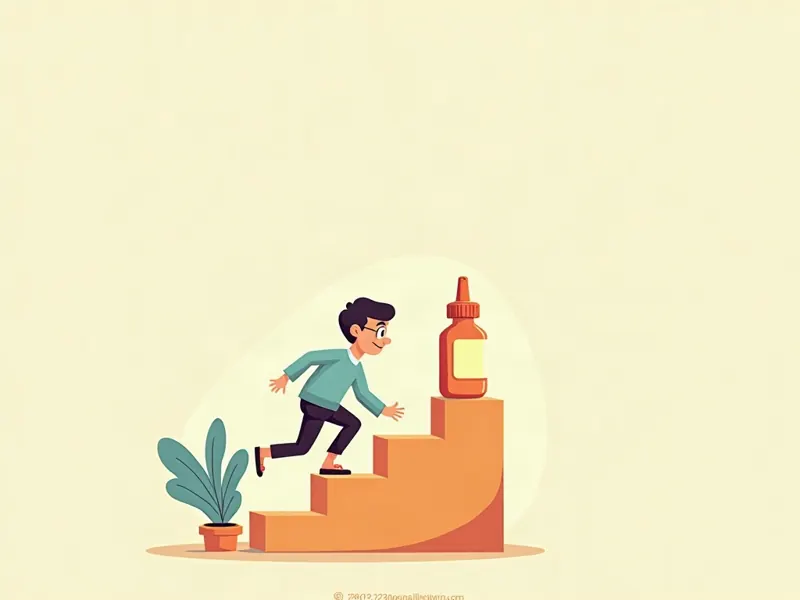
gluteus maximus (buttock muscle)
🧠 GLUE-teus MAXIMUS: the MAXIMUM glue on the seat, the biggest muscle you sit on, pushing you up the stairs.
musculus gluteus mediusShow answer
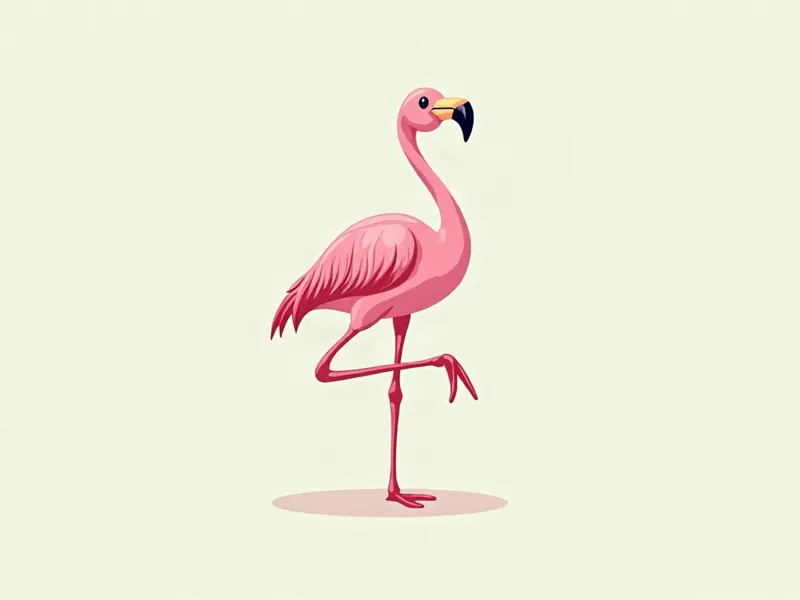
gluteus medius
🧠 The MEDIUM glute keeps the pelvis level like a spirit level when you balance on one leg.
musculus iliopsoasShow answer
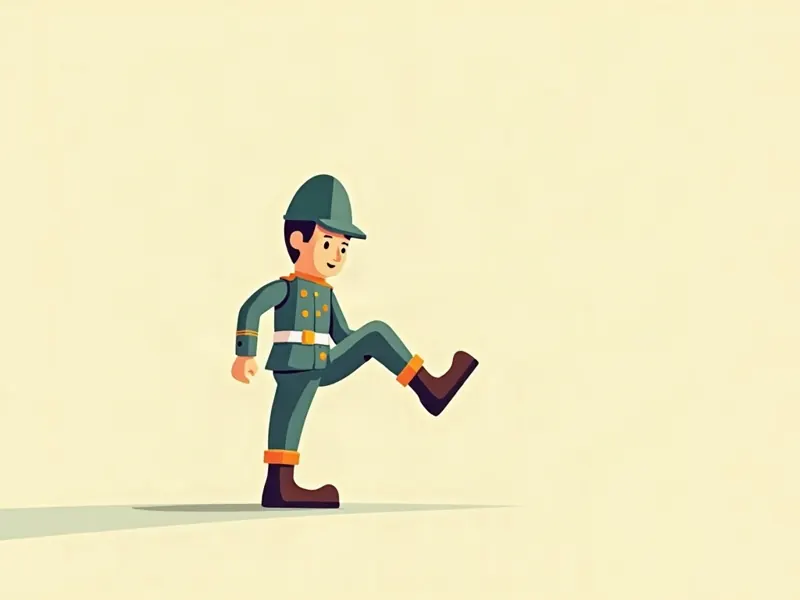
iliopsoas (hip flexor)
🧠 ILIO (from the hip bone) + PSOAS (loin): it lifts the knee high, like a marching soldier.
musculus quadriceps femorisShow answer
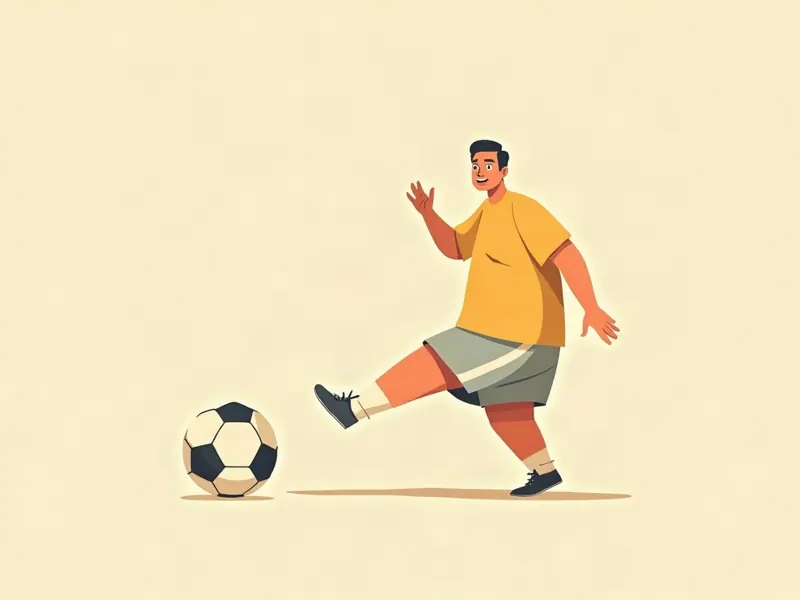
quadriceps (front thigh muscle)
🧠 QUAD means four: four heads on the front of the thigh kick a football by straightening the knee.
musculus rectus femorisShow answer
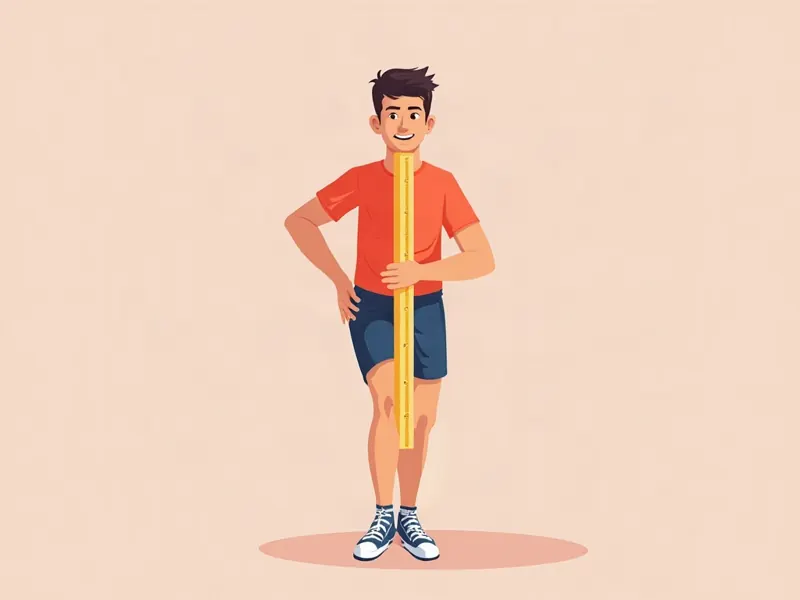
rectus femoris
🧠 RECTUS FEMORIS means 'straight one of the thigh': a straight ruler down the front of the thigh.
musculus sartoriusShow answer
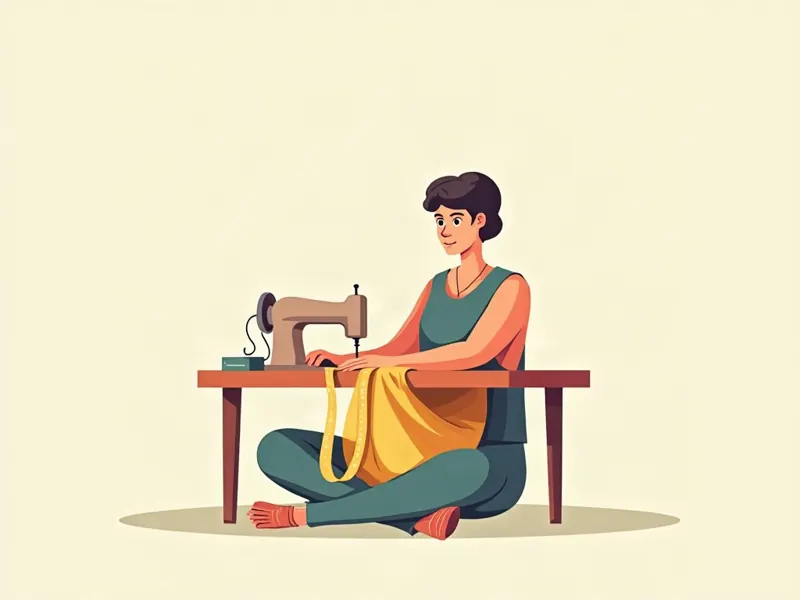
sartorius (tailor's muscle)
🧠 Latin sartor means tailor: a TAILOR sits cross-legged, which is just what the sartorius does.
musculus adductor magnusShow answer
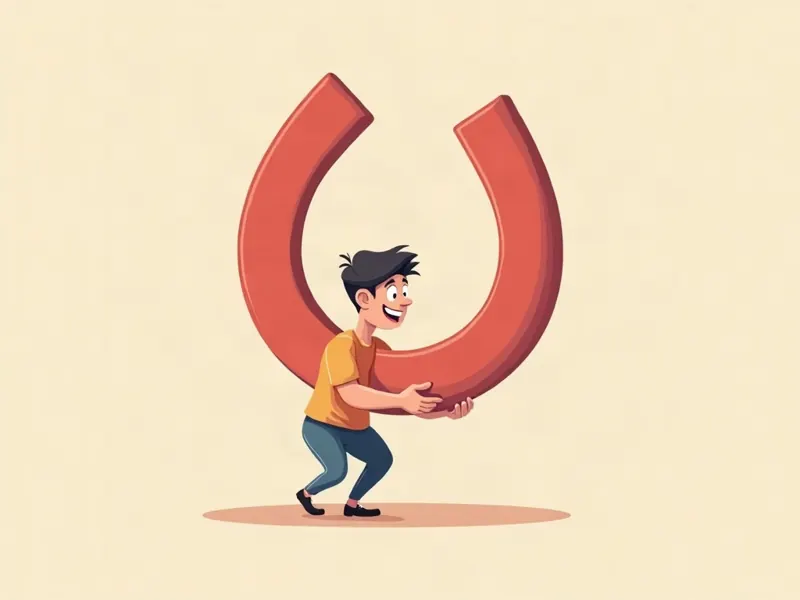
adductor magnus (inner thigh muscle)
🧠 ADDuctor MAGNUS: a MAGNet on the inner thighs ADDs the legs together.
musculus biceps femorisShow answer
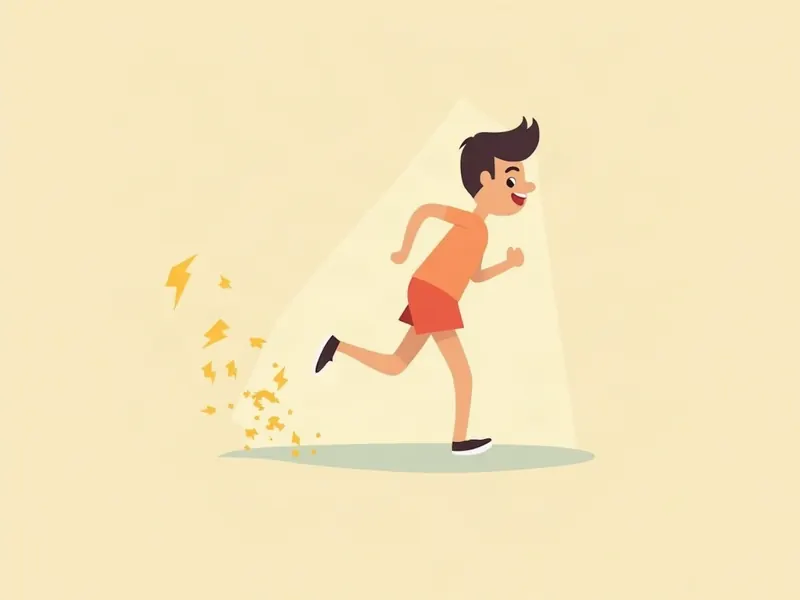
biceps femoris (a hamstring)
🧠 BICEPS FEMORIS: the 'biceps of the thigh' on the back of the leg bends the knee, kicking the heel up to the bottom.
musculus gastrocnemiusShow answer
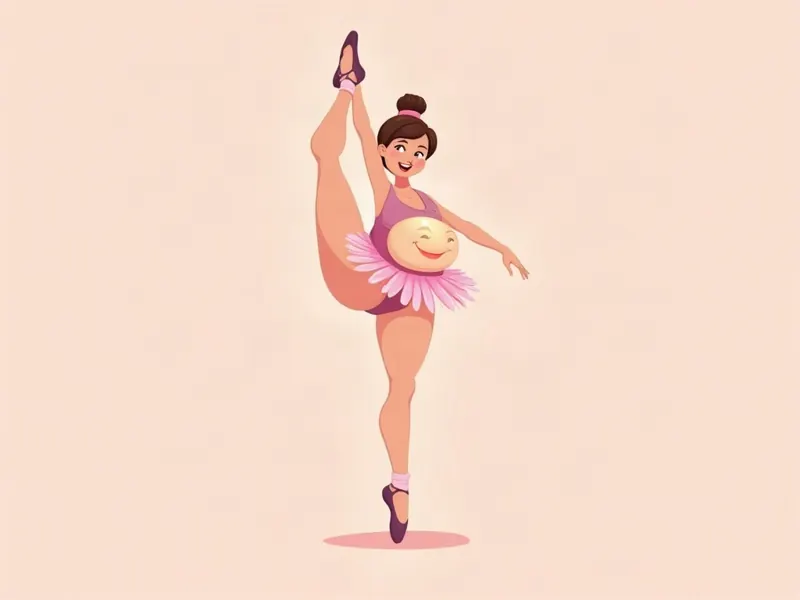
gastrocnemius (calf muscle)
🧠 Greek gastēr (belly) + knēmē (leg): the calf is the round 'BELLY of the leg' that lifts you onto tiptoe.
musculus soleusShow answer
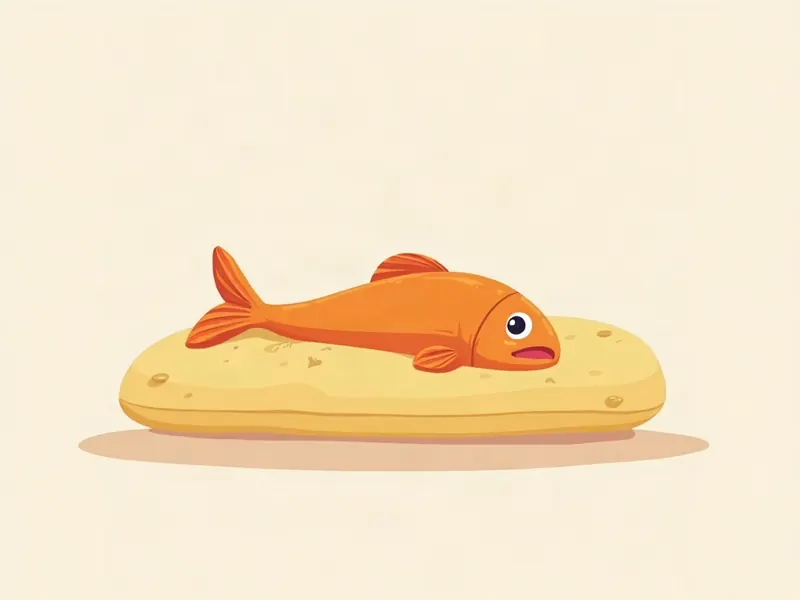
soleus (deep calf muscle)
🧠 Named after the SOLE, a flat fish: a flat fish lies under the calf muscle and keeps you standing.
musculus tibialis anteriorShow answer
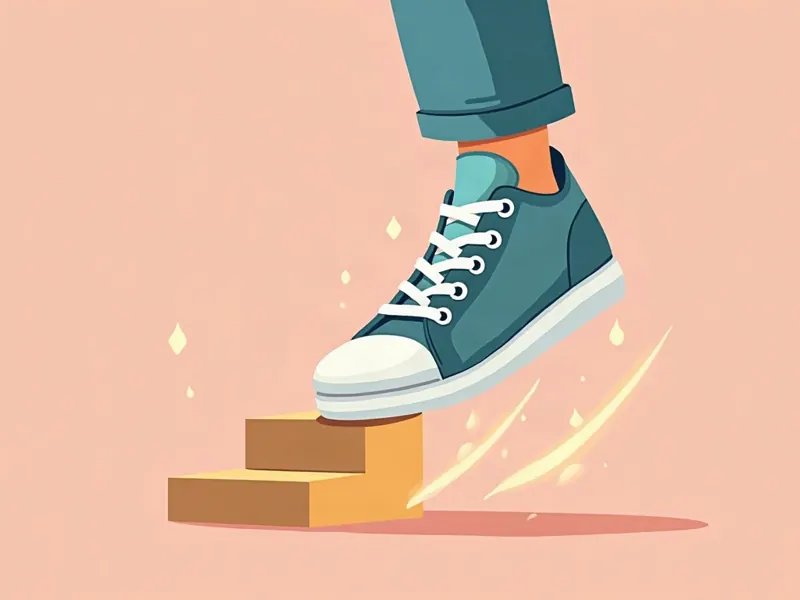
tibialis anterior
🧠 TIBIALIS ANTERIOR sits in FRONT of the tibia: it lifts the toes so you don't trip on the step.
Mnemonics that hide in the Latin names
Many anatomical names already describe the part, if you know what the Latin or Greek means. Hooks from the decks:
- Patella (kneecap) means little plate: a mini paella pan on the front of your knee.
- Tibia (shinbone) also meant flute in Latin: long and straight like a flute.
- Fibula means brooch pin: the thin outer leg bone is the safety pin beside the shin.
- Os coccygis (tailbone) comes from the Greek for cuckoo: it is shaped like a cuckoo's beak.
- Atlas: like the Titan holding up the globe, the top vertebra holds up your head.
- Hepar (liver): a heap of pâté, which is made of liver.
- Ren (kidney): a reindeer with two kidneys hanging on its antlers, as in renal.
- Musculus sartorius: sartor is Latin for tailor, and it helps you sit cross-legged like an old-time tailor.
- Musculus deltoideus: shaped like the Greek letter delta, a triangle capping the shoulder.
Once you know the hidden meaning, the name and the body part support each other. The same approach decodes clinical terms in our medical terminology flashcards.
Classic anatomy mnemonics
Some anatomy facts are about order, not names, and for those a first-letter sentence works well.
Carpal bones mnemonic
Sam Likes To Push The Toy Car Hard: Scaphoid, Lunate, Triquetrum, Pisiform (the row next to the forearm, thumb side first), then Trapezium, Trapezoid, Capitate, Hamate. That is all 8 wrist bones.
Tarsal bones mnemonic
Tiger Cubs Need MILC: Talus, Calcaneus, Navicular, Medial, Intermediate and Lateral cuneiform, Cuboid. The 7 bones of the ankle and rear foot.
Cranial nerves mnemonic
Oh Oh Oh To Touch And Feel Very Good Velvet, Ah Heaven: Olfactory, Optic, Oculomotor, Trochlear, Trigeminal, Abducens, Facial, Vestibulocochlear, Glossopharyngeal, Vagus, Accessory, Hypoglossal (I to XII).
For whether each nerve is sensory, motor or both: Some Say Marry Money, But My Brother Says Big Brains Matter More (S, S, M, M, B, M, B, S, B, B, M, M).
Rotator cuff mnemonic
SITS: Supraspinatus, Infraspinatus, Teres minor, Subscapularis.
How to memorize anatomy
- Learn by region, not alphabetically: finish the skull before you start the arm.
- Find the meaning in the name first; if there isn't one, use the hook on the card.
- Point to it on yourself. Touching your own patella or masseter links the word to a place.
- Test yourself and review on a schedule. Recall beats rereading (Roediger & Karpicke, 2006).
For long ordered lists, such as all the bones from head to toe, a memory palace works well: walk through a familiar place and leave one bone in each spot.
These cards are a study aid for anatomy terms, not medical advice. Memory Legend brings each card back with spaced repetition, right before you would forget it. More methods in our overview of mnemonics.
Frequently asked questions
What is the mnemonic for the carpal bones?
Sam Likes To Push The Toy Car Hard: scaphoid, lunate, triquetrum, pisiform, trapezium, trapezoid, capitate, hamate. Another version you may hear is Some Lovers Try Positions That They Can't Handle; both give the same letters.
What is the mnemonic for the tarsal bones?
Tiger Cubs Need MILC: talus, calcaneus, navicular, medial cuneiform, intermediate cuneiform, lateral cuneiform, cuboid.
What is the mnemonic for the 12 cranial nerves?
Oh Oh Oh To Touch And Feel Very Good Velvet, Ah Heaven: olfactory, optic, oculomotor, trochlear, trigeminal, abducens, facial, vestibulocochlear, glossopharyngeal, vagus, accessory, hypoglossal.
How many bones are in the human body?
An adult skeleton usually has 206 bones. Babies are born with more, because several bones fuse as they grow.
What is the best way to memorize anatomy?
Learn region by region, use the meaning hidden in the Latin names, add a hook where there is none, and quiz yourself on a spaced schedule. First-letter mnemonics are great for fixed orders like the carpal bones.
What is the longest bone and the longest muscle?
The femur (thigh bone) is the longest and strongest bone, and the sartorius, running diagonally across the thigh, is the longest muscle.
Are these anatomy flashcards free?
Yes. All 114 cards are free on this page, and Memory Legend is free during the beta with pictures, quizzes and spaced repetition. Start free.
Learn the bones, organs and muscles for good
Memory Legend gives every bone, organ and muscle a picture and a hook, quizzes you, and brings each card back right before you would forget it.
Start free Free during the beta
Get one memory trick a week
Short, practical techniques and new courses. Free, and you can unsubscribe with one click.