
How to memorize the periodic table
Periodic table mnemonics for all 118 elements
These periodic table mnemonics give each of the 118 elements a short memory hook that links the symbol to the name. The hardest ones are the symbols from Latin: Au for gold is a pirate yelling "Ow!" as a chest of gold lands on his toe. Below is the full list, then the method.
On this page
A mnemonic for every element
The list covers all 118 elements, from hydrogen (1) to oganesson (118), grouped into the ten families of the table: alkali metals, alkaline earth metals, transition metals, post-transition metals, metalloids, nonmetals, halogens, noble gases, lanthanides and actinides. Each card shows the symbol, the name, a short fact and a hook that puts the letters of the symbol into a scene.
Nonmetals
H · hydrogenShow answer

#1 · No. 1. The lightest element; the Sun fuses it into helium, and water is H2O.
🧠 A Huge balloon of Hydrogen floats Higher than anything else: H, the lightest element.
C · carbonShow answer
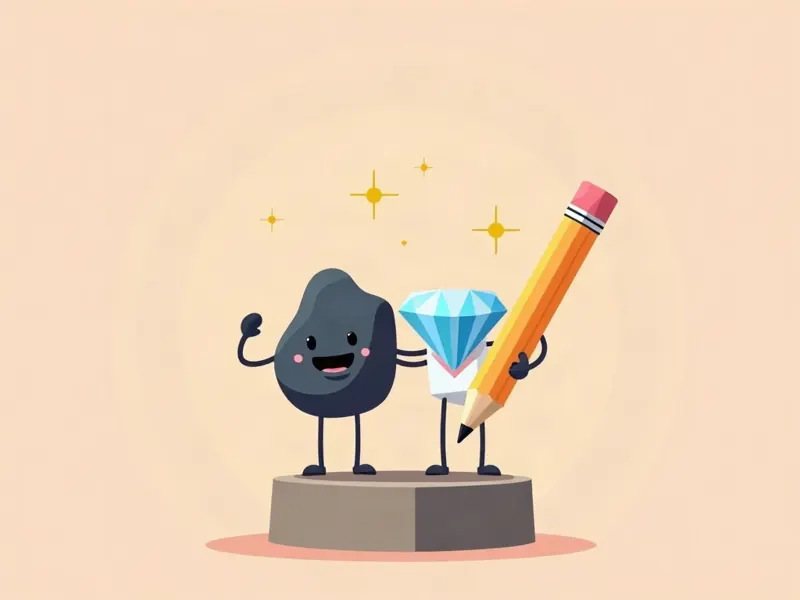
#6 · No. 6. The basis of all life; diamond, graphite and coal are all carbon.
🧠 Coal, a diamond and your pencil lead are Cousins: all Carbon.
N · nitrogenShow answer

#7 · No. 7. About 78% of the air; plants need it, so it is in fertiliser.
🧠 A candle in a jar of pure Nitrogen says 'Nope!' and goes out: N, 78% of the air.
O · oxygenShow answer

#8 · No. 8. About 21% of the air; you need it to breathe, and fire needs it to burn.
🧠 A diver blows perfect round O-bubbles: Oxygen to breathe.
P · phosphorusShow answer
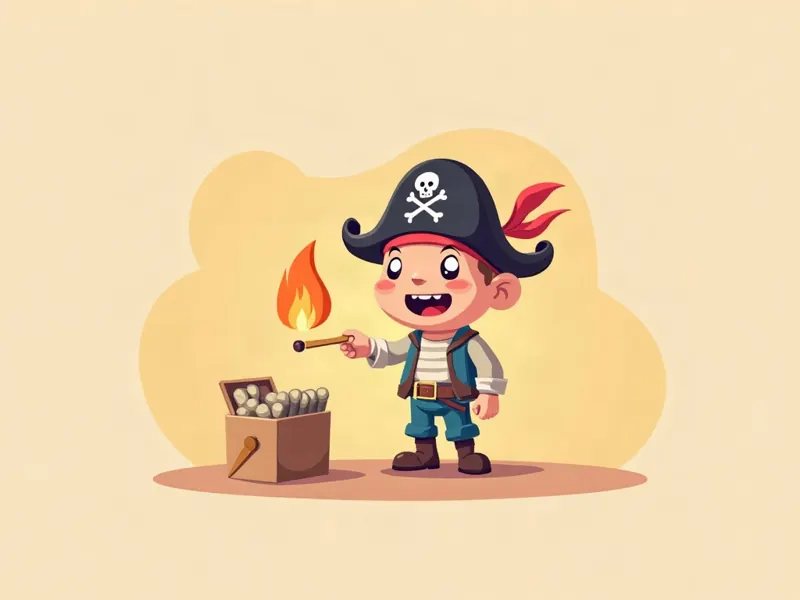
#15 · No. 15. On the striking strip of matchboxes, in fertiliser, DNA and your bones.
🧠 A Pirate strikes a match on the box: Phosphorus makes the spark.
S · sulfurShow answer
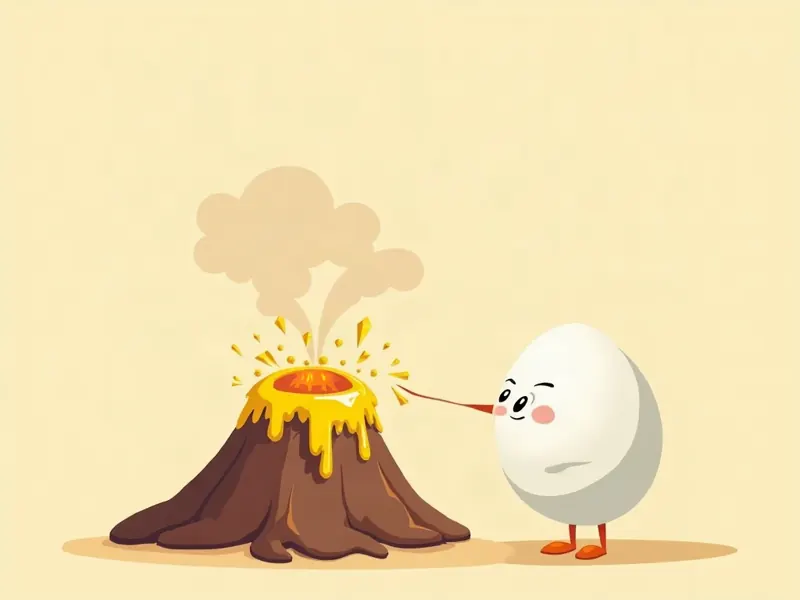
#16 · No. 16. A yellow mineral from volcanoes; its gas hydrogen sulfide smells of rotten eggs.
🧠 A Stinky yellow volcano Smells of rotten eggs: S for sulfur.
Se · seleniumShow answer
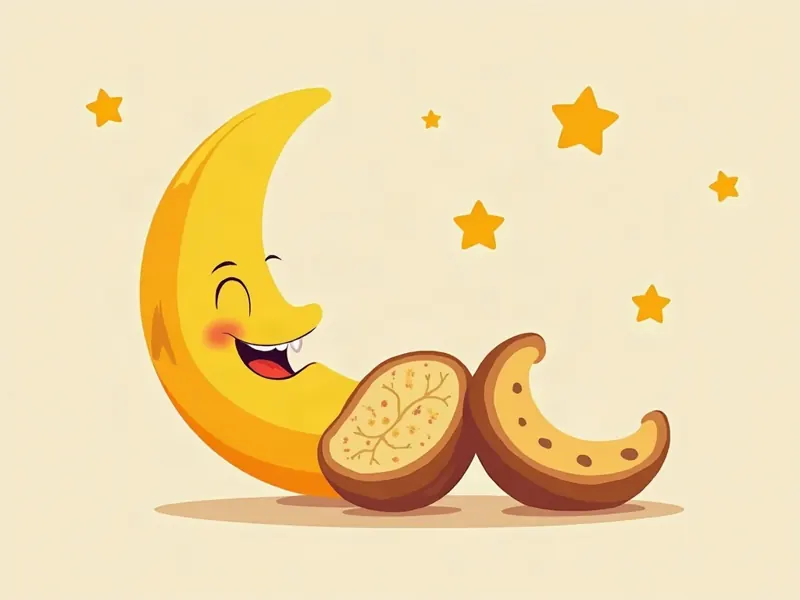
#34 · No. 34. Named after the Moon (Greek selene); you need tiny amounts, e.g. from Brazil nuts.
🧠 SElene, the Moon, munches a Brazil nut: SElenium.
Noble gases
He · heliumShow answer

#2 · No. 2. Makes party balloons float; the second most common element in the universe.
🧠 HE holds so many HElium balloons that HE floats off his feet.
Ne · neonShow answer

#10 · No. 10. Glows red-orange in neon signs; a noble gas that hardly reacts.
🧠 NEon tubes glow red-orange on a NEw York street at night.
Ar · argonShow answer

#18 · No. 18. About 1% of the air; shields welds and fills some light bulbs.
🧠 A pirate growls 'ARRR!' while welding his anchor: ARgon gas shields the weld.
Kr · kryptonShow answer
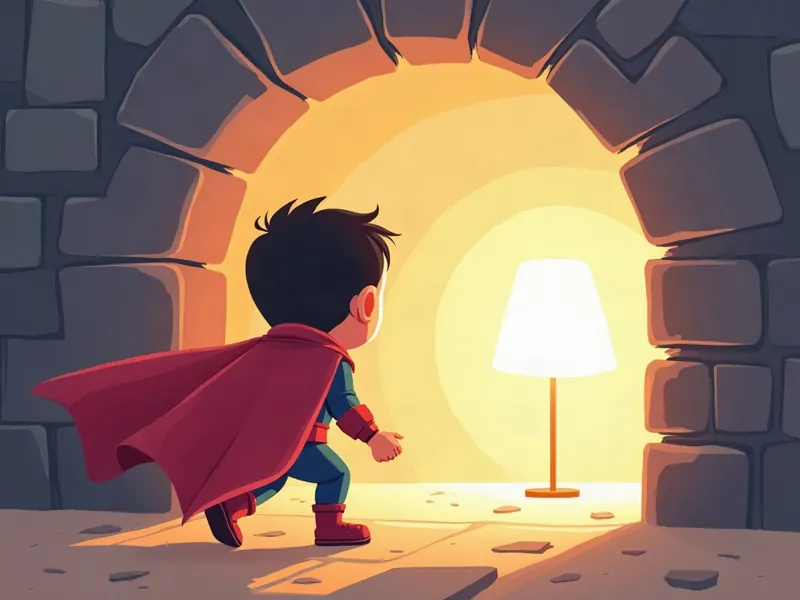
#36 · No. 36. A noble gas in some lamps and lasers; Superman's planet Krypton is fiction.
🧠 A caped hero sneaks into a KRypt lit by a bright KRypton lamp.
Xe · xenonShow answer

#54 · No. 54. A noble gas in bright car headlights and in spacecraft ion engines.
🧠 An alien from planet XEnon drives with dazzling headlights.
Rn · radonShow answer

#86 · No. 86. A radioactive gas that can seep up from the ground into basements.
🧠 A gas ghost RuNs up from the basement: RadoN.
Og · oganessonShow answer

#118 · No. 118. The heaviest known element; named after the physicist Yuri Oganessian.
🧠 A big OGre stands at the very end of the queue: OGanesson, the last and heaviest.
Alkali metals
Li · lithiumShow answer

#3 · No. 3. The lightest metal; in rechargeable batteries in phones and electric cars.
🧠 A phone battery so LIght it floats on a LIly pad: LIthium, the lightest metal.
Na · sodiumShow answer
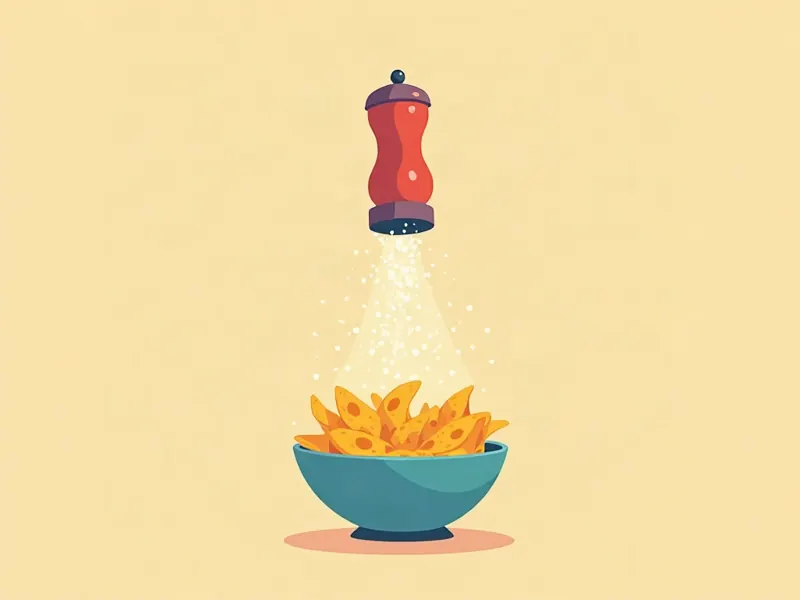
#11 · No. 11. Half of table salt (NaCl); the pure metal fizzes violently in water.
🧠 Salty NAchos: Na comes from NAtrium, the Latin name for sodium.
K · potassiumShow answer
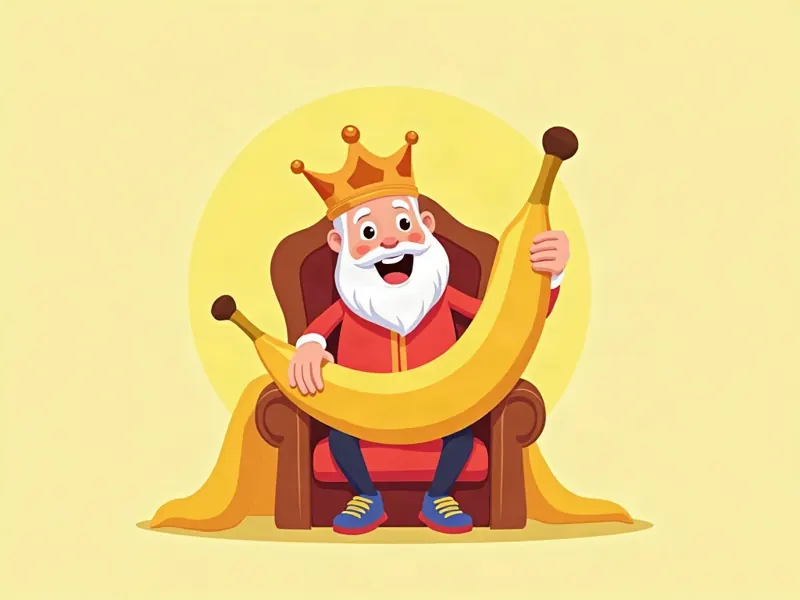
#19 · No. 19. Bananas are rich in it; your nerves and muscles need it.
🧠 A King peels a banana: K for Kalium, the Latin name for potassium.
Rb · rubidiumShow answer
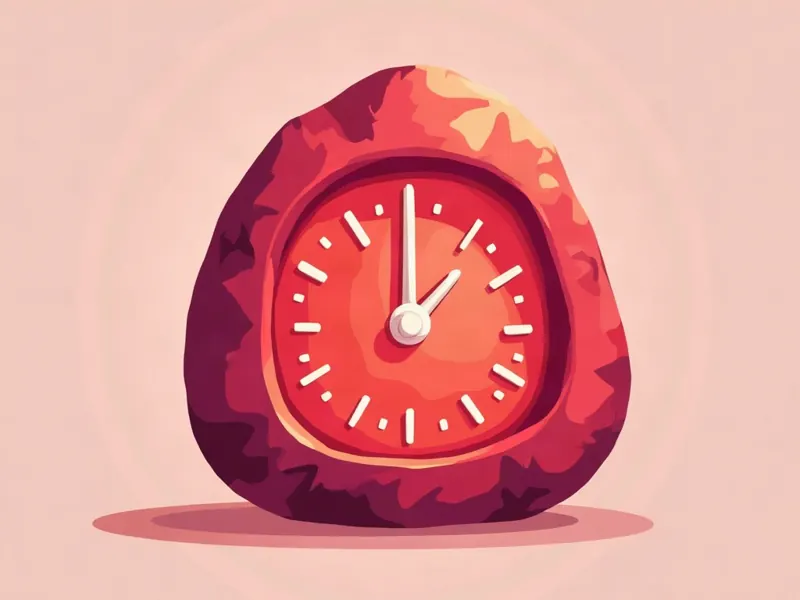
#37 · No. 37. Latin rubidus 'deep red', from red lines in its light; used in atomic clocks.
🧠 A RuBy-red atomic clock ticks: RuBidium, 'deep red'.
Cs · caesiumShow answer
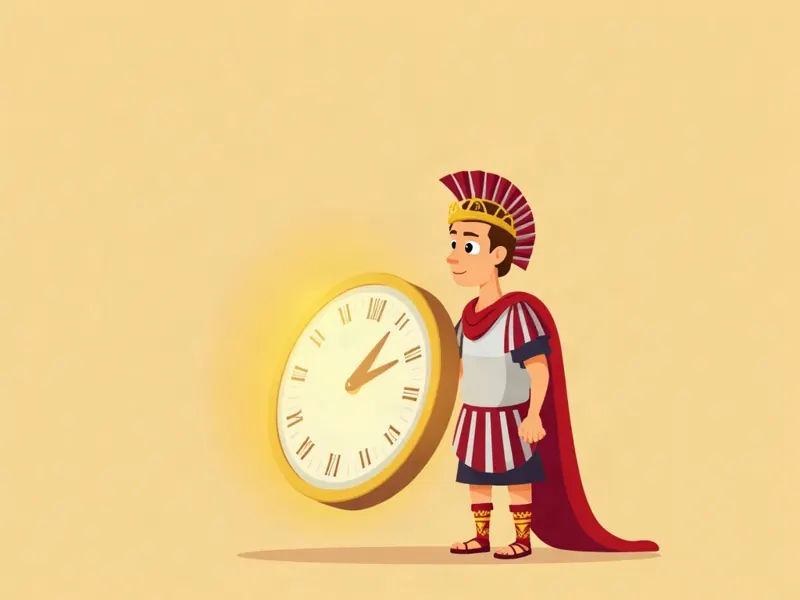
#55 · No. 55. Atomic clocks use it to define the second; melts at about 28 °C. US: cesium.
🧠 Julius CaeSar times his march with an atomic clock: CaeSium.
Fr · franciumShow answer

#87 · No. 87. Extremely rare and radioactive; named after France.
🧠 A glowing FRench baguette: FRancium.
Alkaline earth metals
Be · berylliumShow answer
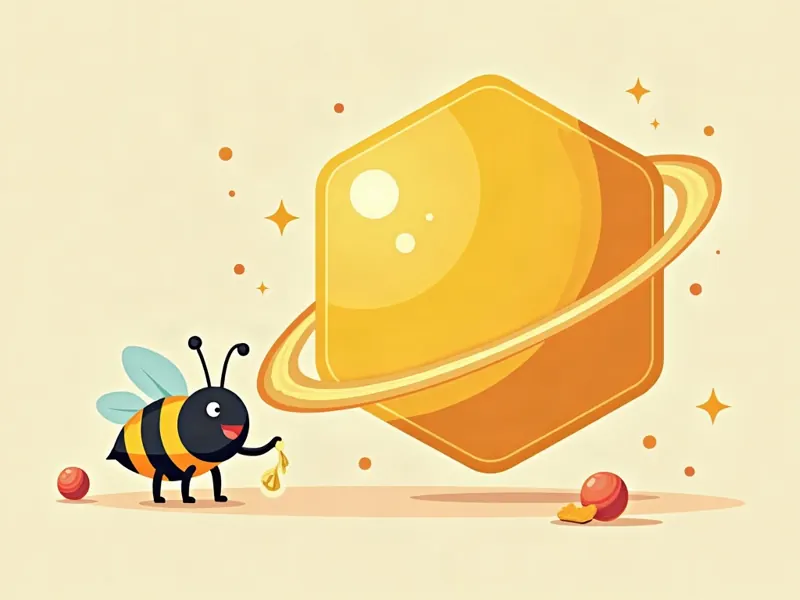
#4 · No. 4. A light, stiff metal; the James Webb telescope's mirrors are gold-coated beryllium.
🧠 A BEe polishes the golden honeycomb mirror of a space telescope: BEryllium.
Mg · magnesiumShow answer

#12 · No. 12. Burns with a blinding white flame; your muscles need it.
🧠 A MaGician's flash burns blinding white: MaGnesium.
Ca · calciumShow answer
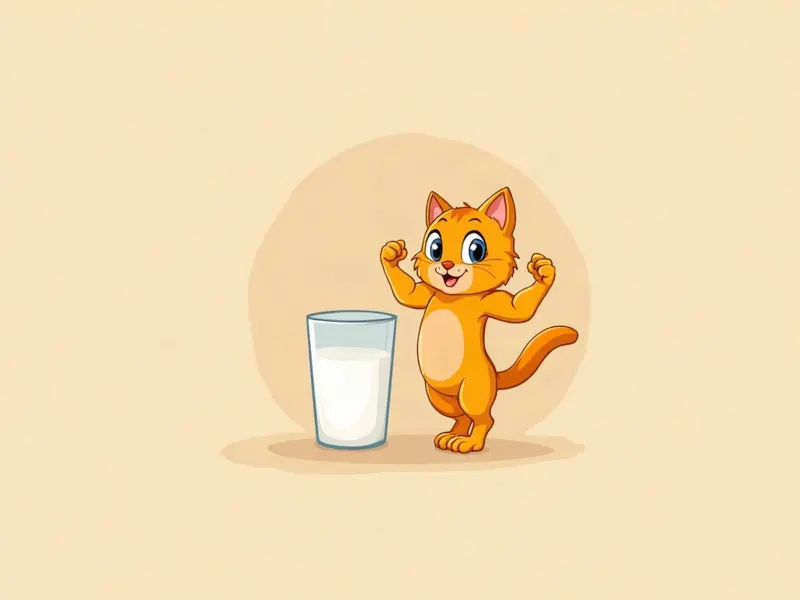
#20 · No. 20. Builds bones and teeth; in milk, chalk and limestone.
🧠 A CAt drinks milk for strong bones: CAlcium.
Sr · strontiumShow answer

#38 · No. 38. Makes fireworks glow bright red; named after Strontian in Scotland.
🧠 A STRong Scot in a kilt lights bright red fireworks: StRontium.
Ba · bariumShow answer

#56 · No. 56. Barium meals show your gut on X-rays; makes fireworks green.
🧠 A BAby bear drinks a white BArium shake before its X-ray, as green fireworks burst.
Ra · radiumShow answer

#88 · No. 88. Radioactive and faintly glowing; once used on luminous watch dials; discovered by the Curies.
🧠 A RAccoon stares at a glowing clock in the dark: RAdium.
Metalloids
B · boronShow answer
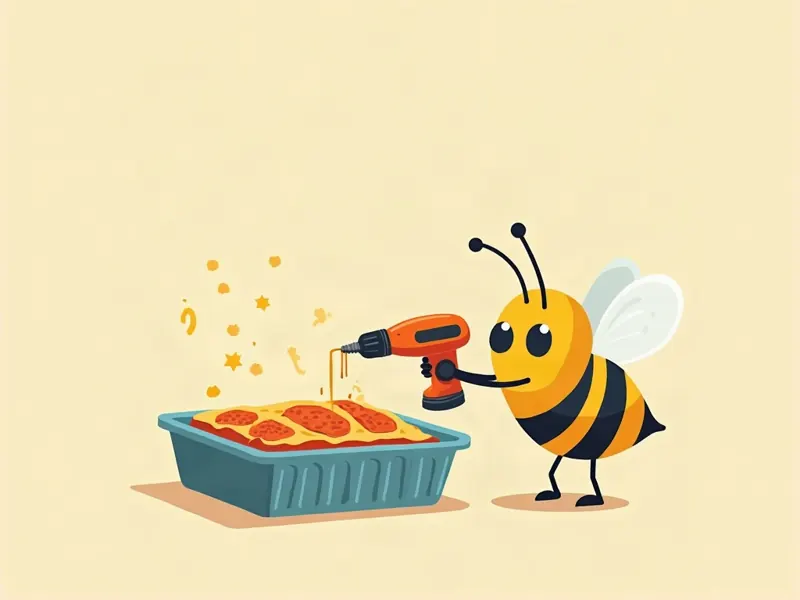
#5 · No. 5. In borax and in heat-proof borosilicate glass, such as oven dishes.
🧠 A Bee BOREs a hole in a heat-proof glass oven dish: B for boron.
Si · siliconShow answer

#14 · No. 14. Sand and glass contain it; computer chips are made of pure silicon.
🧠 A SIlly sandcastle full of computer chips: SIlicon comes from sand.
Ge · germaniumShow answer
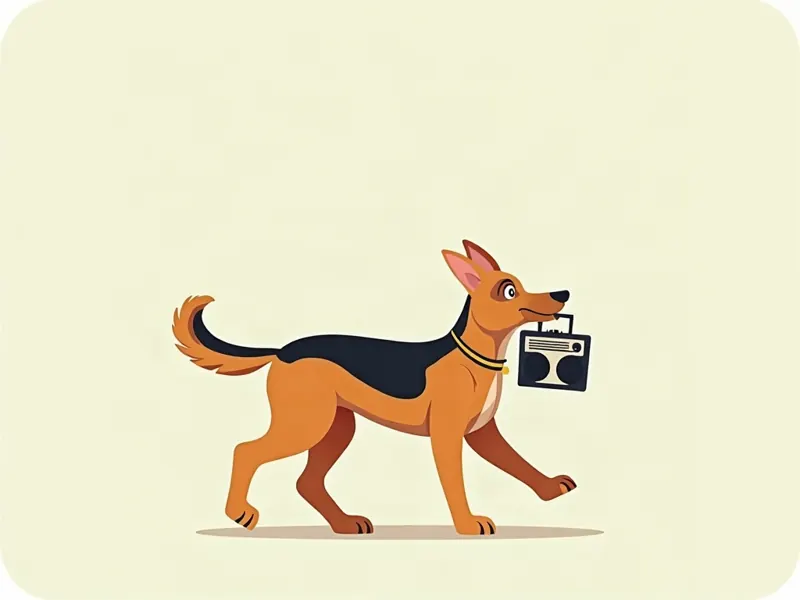
#32 · No. 32. A semiconductor in early transistors and fibre optics; named after Germany.
🧠 A GErman shepherd dog carries a transistor radio: GErmanium, named after Germany.
As · arsenicShow answer
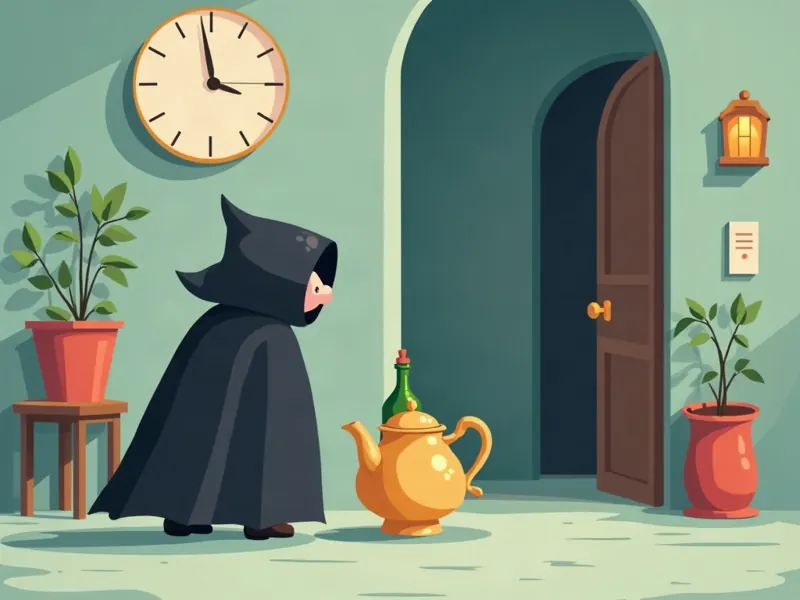
#33 · No. 33. A famous poison in old crime stories; also in some semiconductors.
🧠 An ASsassin in an old crime novel hides a bottle of ArSenic.
Sb · antimonyShow answer
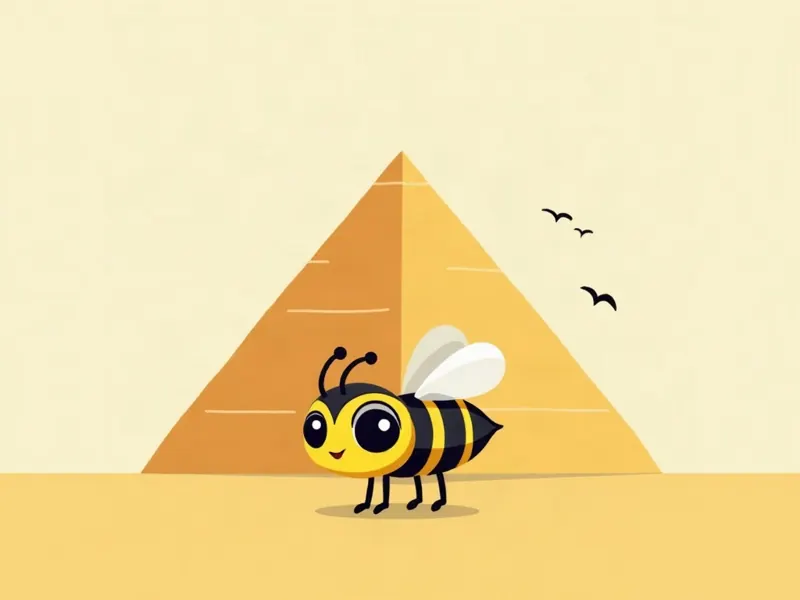
#51 · No. 51. In flame retardants and lead alloys; ancient Egyptians used its sulfide as eye make-up.
🧠 A Stylish Bee wears black Egyptian eyeliner: Sb for stibium.
Te · telluriumShow answer

#52 · No. 52. Named after Earth (Latin tellus); used in some solar panels.
🧠 Planet Earth hosts a TEa party: TEllurium, from tellus, 'Earth'.
Halogens
F · fluorineShow answer
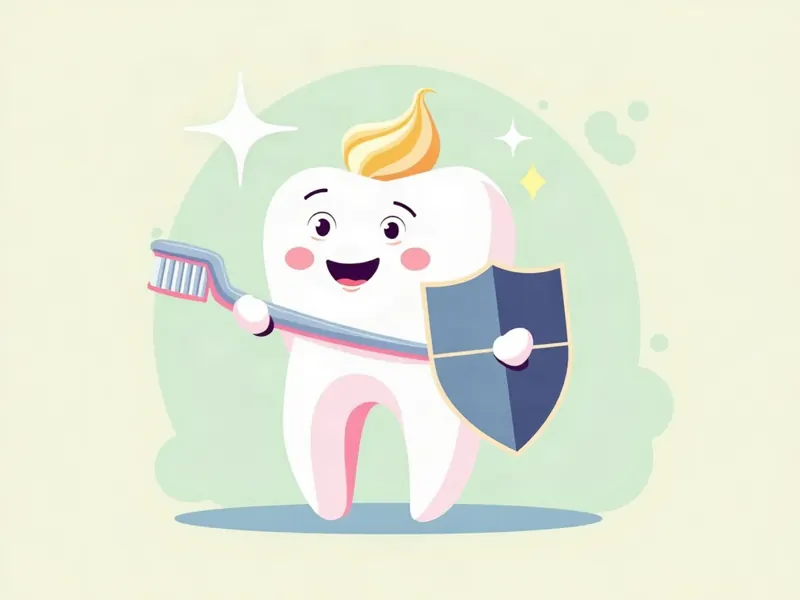
#9 · No. 9. The most reactive element; fluoride in toothpaste protects your teeth.
🧠 A tooth holds up its toothbrush like a shield: Fluoride toothpaste, F.
Cl · chlorineShow answer

#17 · No. 17. Disinfects swimming pools; the other half of table salt (NaCl).
🧠 A CLown dives into a pool that smells of CHLorine.
Br · bromineShow answer

#35 · No. 35. A red-brown liquid; one of only two elements liquid at room temperature.
🧠 A BRown BRoom drips red-brown liquid BRomine.
I · iodineShow answer
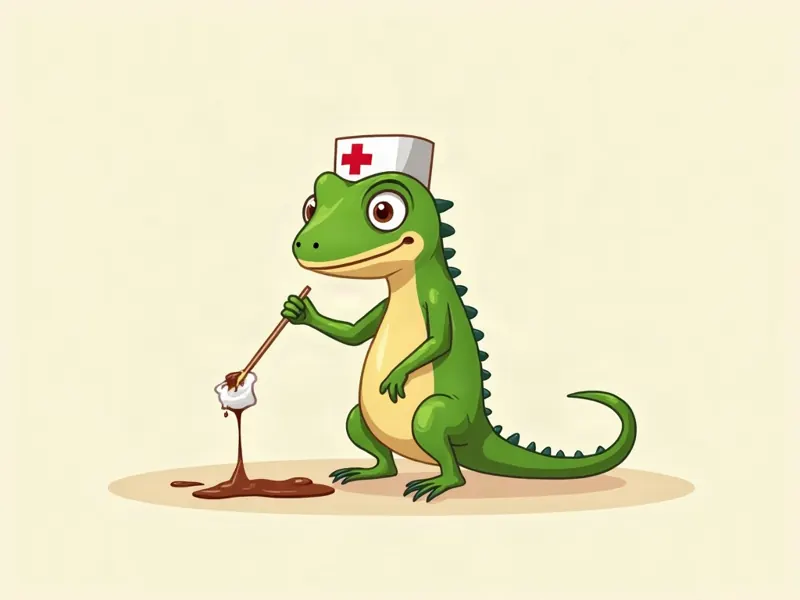
#53 · No. 53. Your thyroid needs it; brown iodine tincture disinfects wounds.
🧠 An Iguana nurse dabs brown Iodine on a scraped knee.
At · astatineShow answer
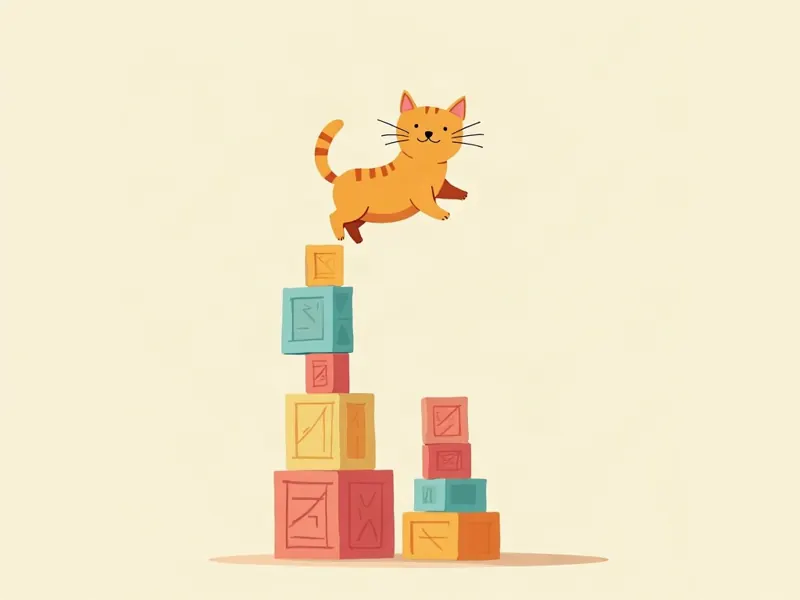
#85 · No. 85. Extremely rare and radioactive; Greek astatos = unstable.
🧠 AT the top of a wobbly tower nothing stays put: AsTatine, 'unstable'.
Ts · tennessineShow answer

#117 · No. 117. Named after Tennessee, USA; it sits in the halogen column.
🧠 A country guitar on a TennesSee porch: Ts.
Post-transition metals
Al · aluminiumShow answer

#13 · No. 13. The most common metal in Earth's crust; cans, foil and aircraft. US: aluminum.
🧠 ALice wraps her lunch in ALuminium foil.
Ga · galliumShow answer
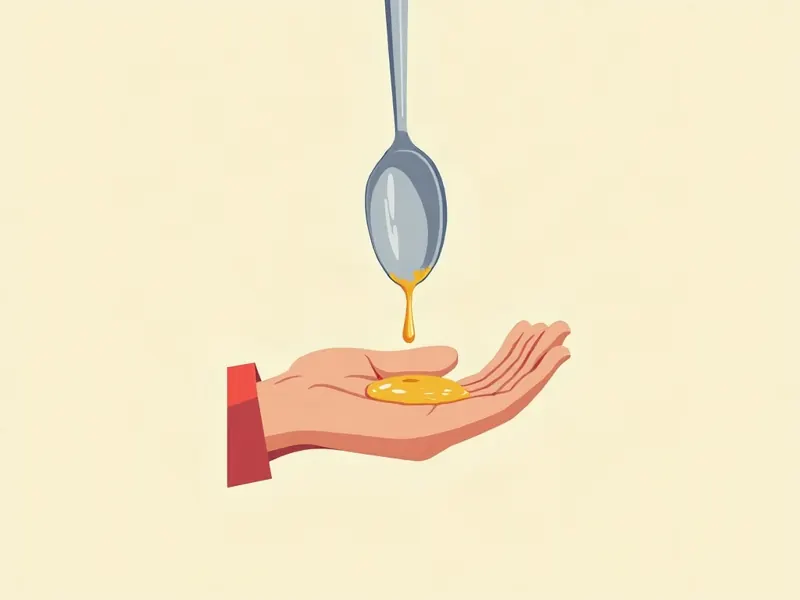
#31 · No. 31. Melts in your hand (about 30 °C); used in LEDs.
🧠 GAsp! A spoon melts in a warm hand: GAllium melts at about 30 °C.
In · indiumShow answer

#49 · No. 49. Indium tin oxide makes touchscreens work; named after an indigo line in its light.
🧠 A finger taps INto an indigo touchscreen: INdium.
Sn · tinShow answer

#50 · No. 50. Tin soldiers and solder; tin cans are steel coated with tin.
🧠 A SNowman made of tin cans: Sn for stannum.
Tl · thalliumShow answer
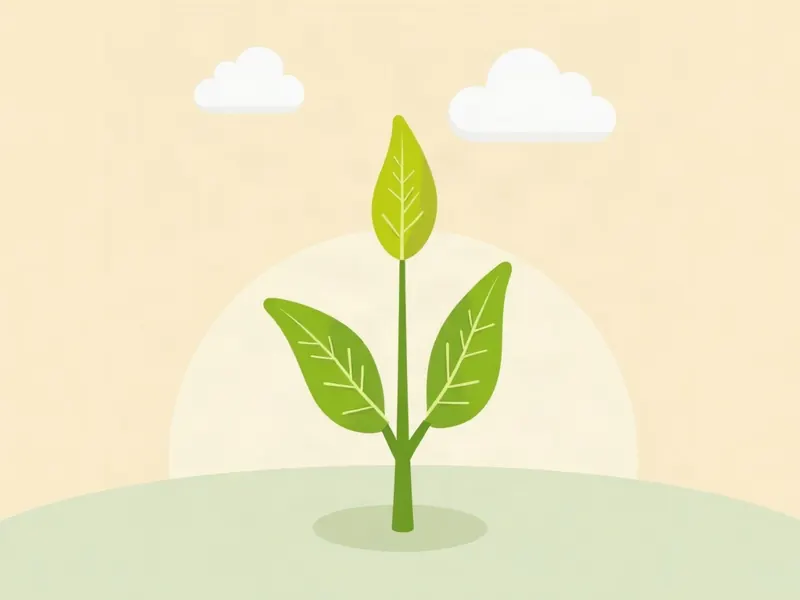
#81 · No. 81. Very toxic; its name means 'green shoot', after a bright green line in its light.
🧠 A TaLl green shoot (Greek thallos) grows to the sky: ThaLlium.
Pb · leadShow answer

#82 · No. 82. Heavy and soft; X-ray aprons, car batteries and old water pipes.
🧠 A PlumBer staggers under heavy lead pipes: Pb for plumbum.
Bi · bismuthShow answer
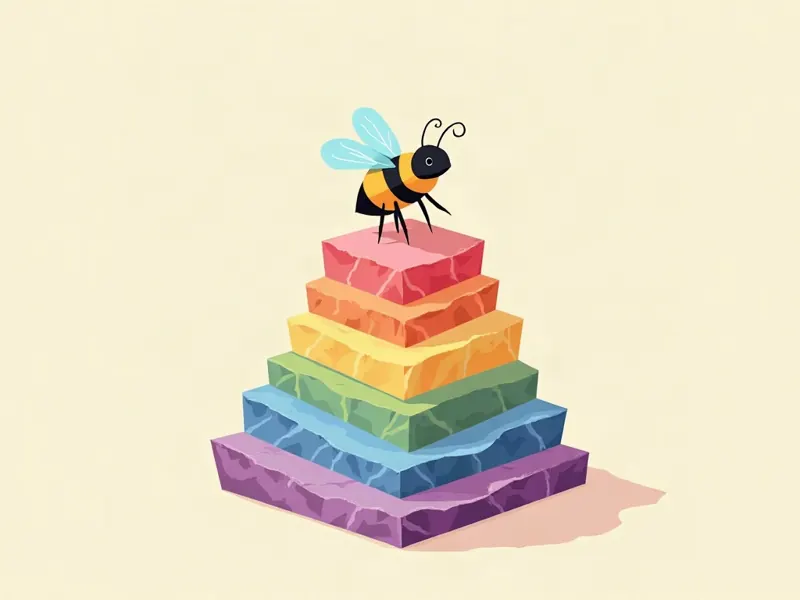
#83 · No. 83. Forms rainbow-coloured staircase crystals; used in some stomach medicines.
🧠 A Bee climbs a rainbow staircase crystal of BIsmuth.
Po · poloniumShow answer

#84 · No. 84. Highly radioactive; named by Marie Curie after her homeland, Poland.
🧠 A POlo player in POland's red and white: POlonium.
Nh · nihoniumShow answer

#113 · No. 113. The first element discovered in Asia; Nihon means Japan.
🧠 A sushi chef from NiHon (Japan) rolls element 113: Nh.
Fl · fleroviumShow answer
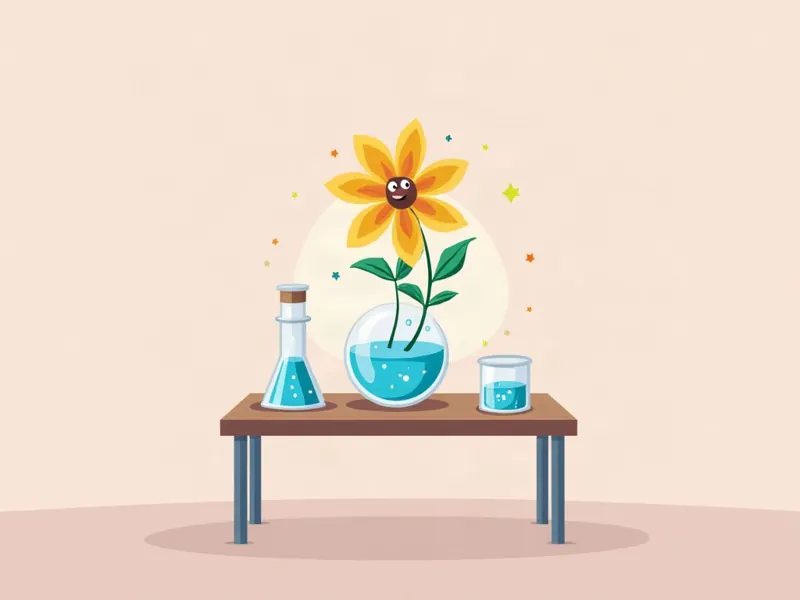
#114 · No. 114. Named after the Flerov Laboratory in Dubna, Russia (after physicist Georgy Flerov).
🧠 A FLower grows in the FLerov lab: Fl.
Mc · moscoviumShow answer

#115 · No. 115. Named after the Moscow region, home of the Dubna laboratory.
🧠 MosCow's colourful onion domes: Mc.
Lv · livermoriumShow answer
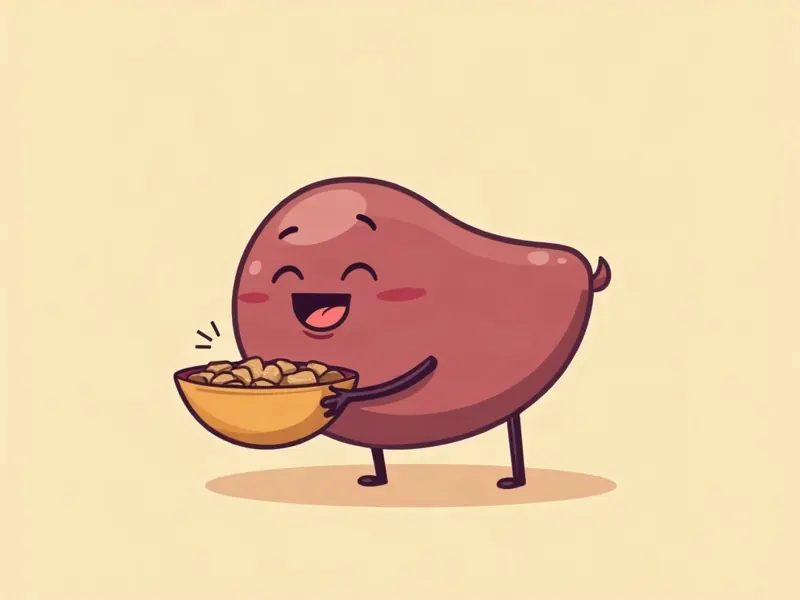
#116 · No. 116. Named after the Lawrence Livermore National Laboratory in California.
🧠 A cheerful LiVer asks for MORE: LiVermorium.
Transition metals
Sc · scandiumShow answer

#21 · No. 21. Named after Scandinavia; a pinch makes aluminium alloys stronger, e.g. in bike frames.
🧠 A SCandinavian Viking rides a super-light racing bike: SCandium.
Ti · titaniumShow answer

#22 · No. 22. Strong, light and rust-proof: hip implants, aircraft and bike frames.
🧠 A TItan giant lifts a plane with one finger: TItanium.
V · vanadiumShow answer

#23 · No. 23. Makes steel tough, e.g. in wrenches and tools.
🧠 A Vampire tightens bolts with a Vanadium steel wrench.
Cr · chromiumShow answer

#24 · No. 24. Gives shiny chrome plating and makes stainless steel stainless.
🧠 A CRow admires itself in a shiny CHRome bumper.
Mn · manganeseShow answer
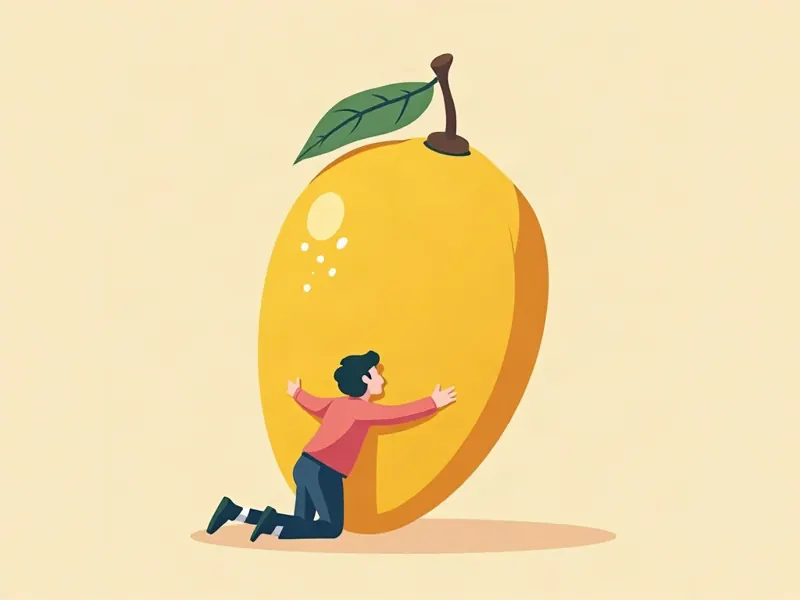
#25 · No. 25. Essential in steel making; also in ordinary alkaline batteries.
🧠 A MaN carries a battery as big as a mango: MaNganese.
Fe · ironShow answer
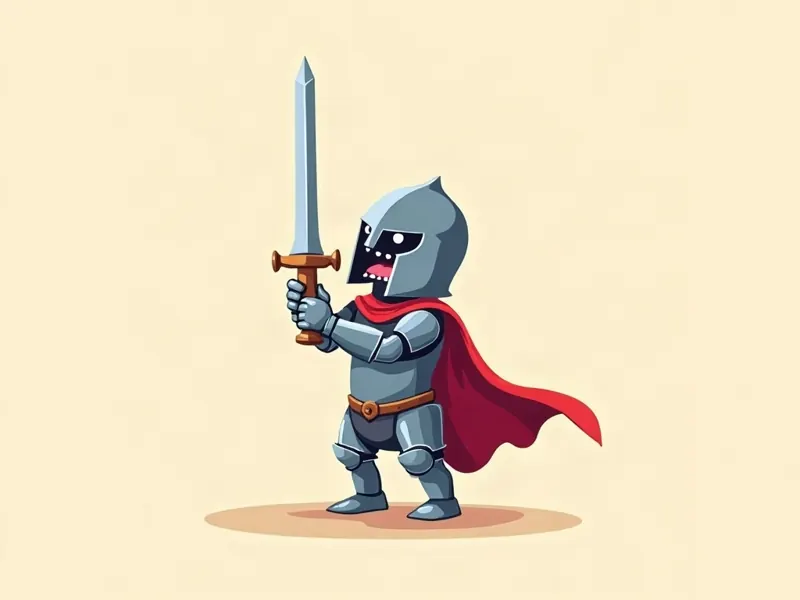
#26 · No. 26. Steel is mostly iron; it also carries oxygen in your blood.
🧠 A FErocious knight in an IRON suit: Fe for ferrum.
Co · cobaltShow answer
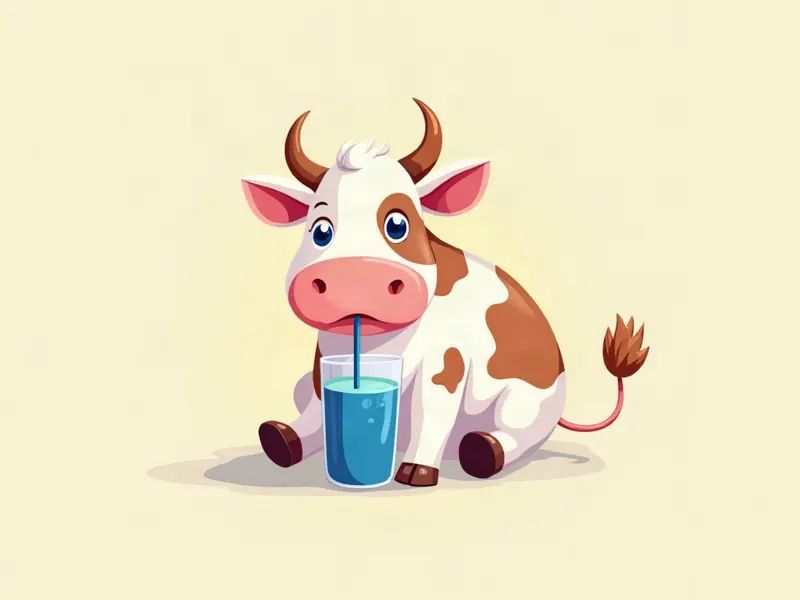
#27 · No. 27. Gives deep cobalt-blue glass and paint; used in rechargeable batteries.
🧠 A COw sips from a deep blue COBalt glass.
Ni · nickelShow answer

#28 · No. 28. Used in coins, stainless steel and rechargeable batteries.
🧠 A NInja throws shiny NIckel coins like throwing stars.
Cu · copperShow answer
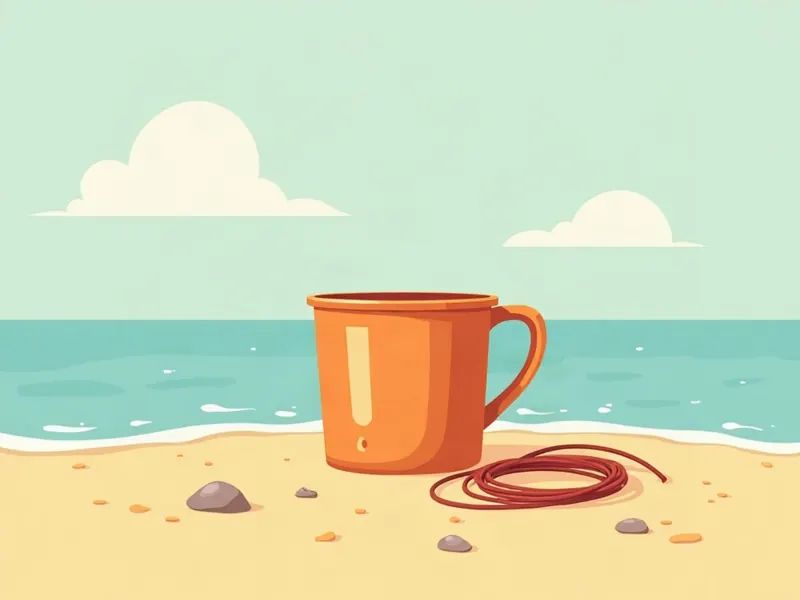
#29 · No. 29. Carries electricity in wires; the Statue of Liberty is copper turned green.
🧠 A CUp of copper from the island of Cyprus: Cu for cuprum.
Zn · zincShow answer

#30 · No. 30. Coats steel against rust (galvanising); also in white sunscreen.
🧠 A ZeN monk on the beach with white ZiNc sunscreen on his nose.
Y · yttriumShow answer
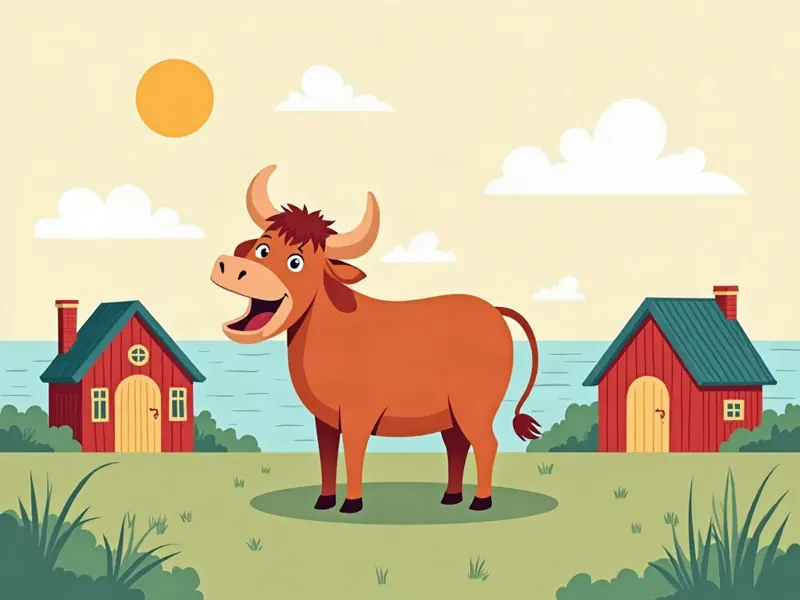
#39 · No. 39. Used in LEDs and lasers; named after the Swedish village Ytterby.
🧠 A Yak Yawns in the Swedish village of Ytterby: Y for Yttrium.
Zr · zirconiumShow answer

#40 · No. 40. Cubic zirconia is a cheap diamond look-alike; also used in nuclear reactors.
🧠 A ring with a ZeRo-cost 'diamond' of ZiRconia: ZiRconium.
Nb · niobiumShow answer

#41 · No. 41. In superconducting magnets, e.g. MRI scanners, and in strong steel.
🧠 A Nervous Bee lies in an MRI scanner with NioBium magnets.
Mo · molybdenumShow answer
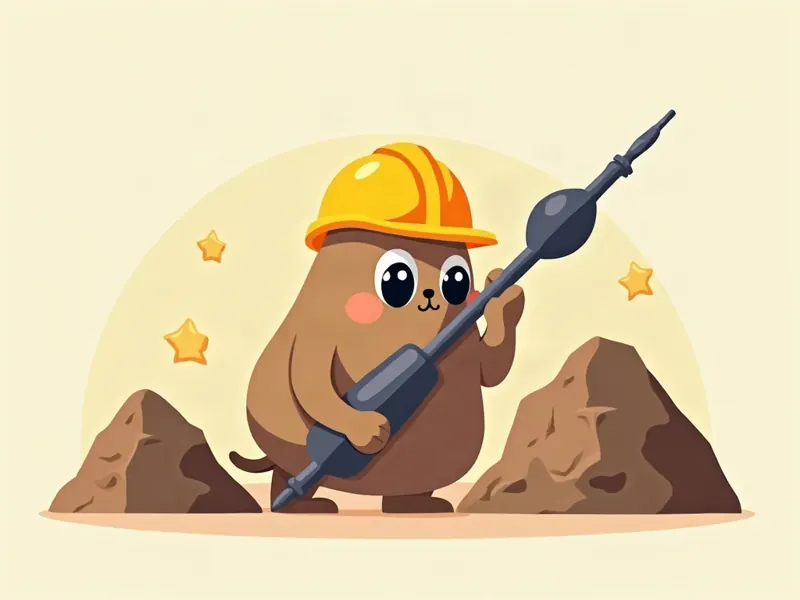
#42 · No. 42. Makes steel hard and heat-resistant, e.g. in drill bits and engine parts.
🧠 A MOle digs with a MOlybdenum steel drill.
Tc · technetiumShow answer
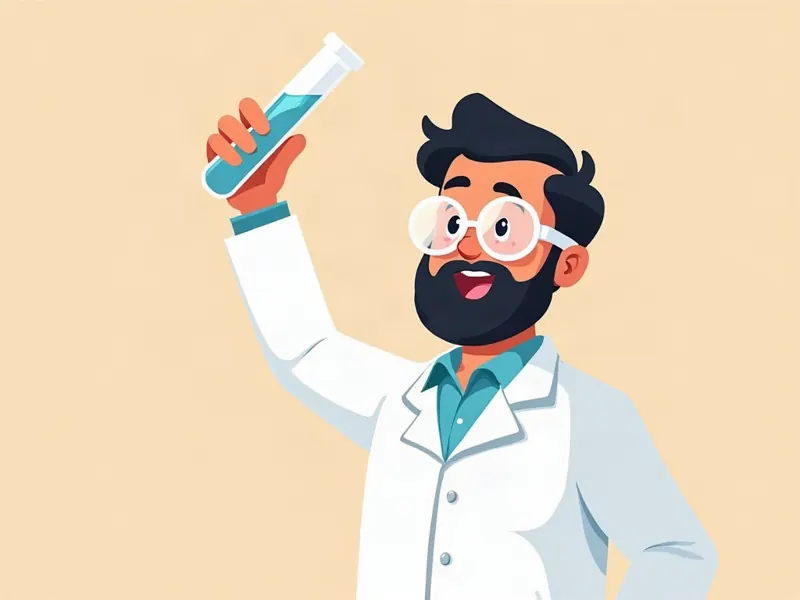
#43 · No. 43. The first artificially made element (Greek technetos = artificial); used in medical scans.
🧠 A lab TeChnician holds up the first man-made element: TeChnetium.
Ru · rutheniumShow answer

#44 · No. 44. Hardens platinum for electrical contacts; named after Ruthenia (Russia).
🧠 A RUssian bear wears a hard platinum crown: RUthenium, from Ruthenia.
Rh · rhodiumShow answer
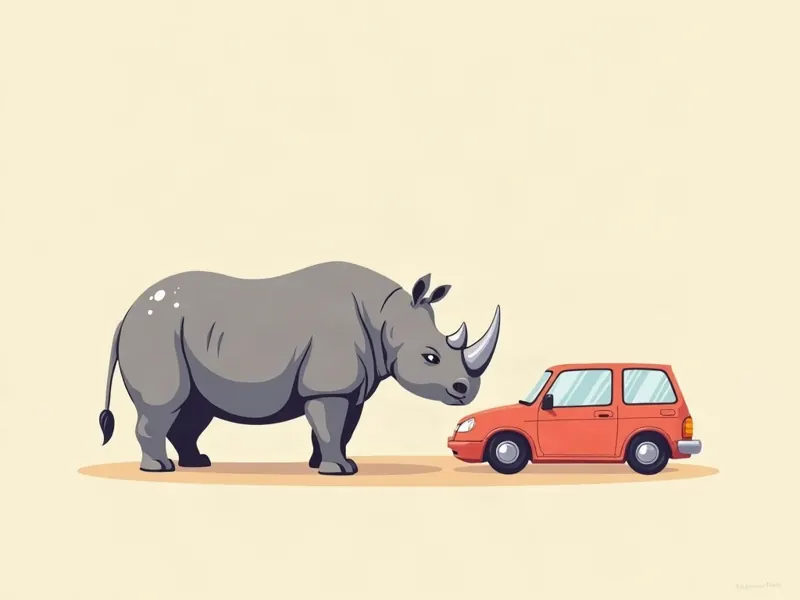
#45 · No. 45. One of the rarest and most valuable metals; in car catalytic converters.
🧠 A RHino guards a car's catalytic converter full of RHodium.
Pd · palladiumShow answer
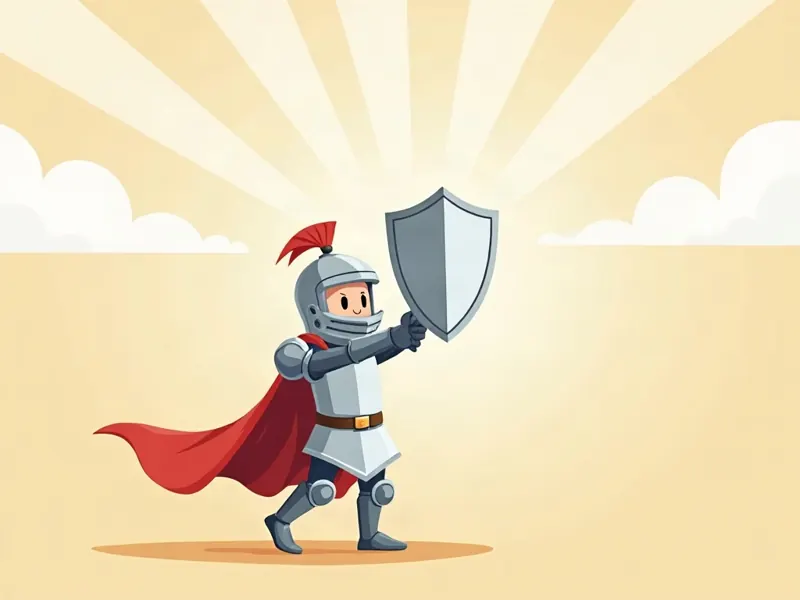
#46 · No. 46. In catalytic converters, electronics and white-gold jewellery.
🧠 A PalaDin knight raises a silvery PalLaDium shield.
Ag · silverShow answer

#47 · No. 47. The best electrical conductor of all; jewellery, coins and mirrors.
🧠 An ArGentine tango dancer in silver shoes: Ag for argentum, and Argentina is named after silver.
Cd · cadmiumShow answer

#48 · No. 48. A toxic metal once common in NiCd batteries and yellow paints.
🧠 An old CD player runs on NiCd batteries: Cd for cadmium.
Hf · hafniumShow answer
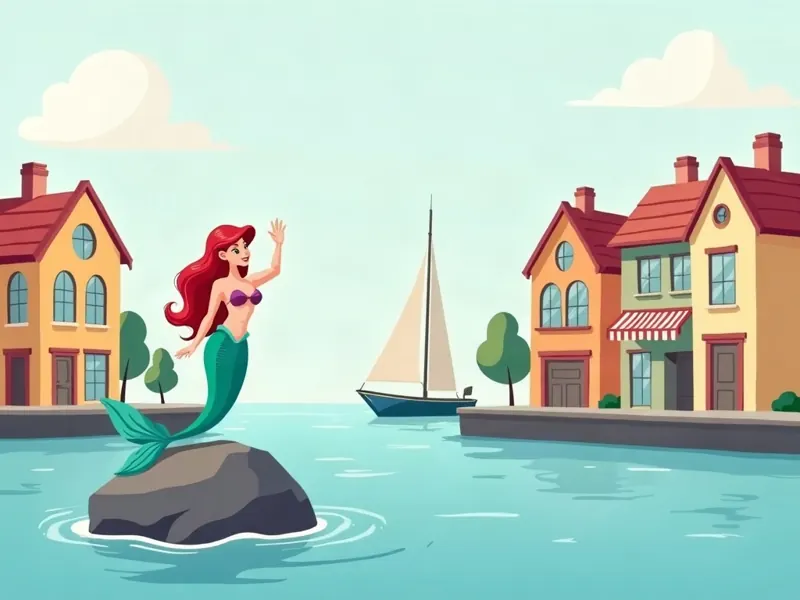
#72 · No. 72. Named after Copenhagen (Latin Hafnia), where it was found; in reactor control rods.
🧠 A mermaid waves in Copenhagen's HArbour (HAFnia): HaFnium.
Ta · tantalumShow answer
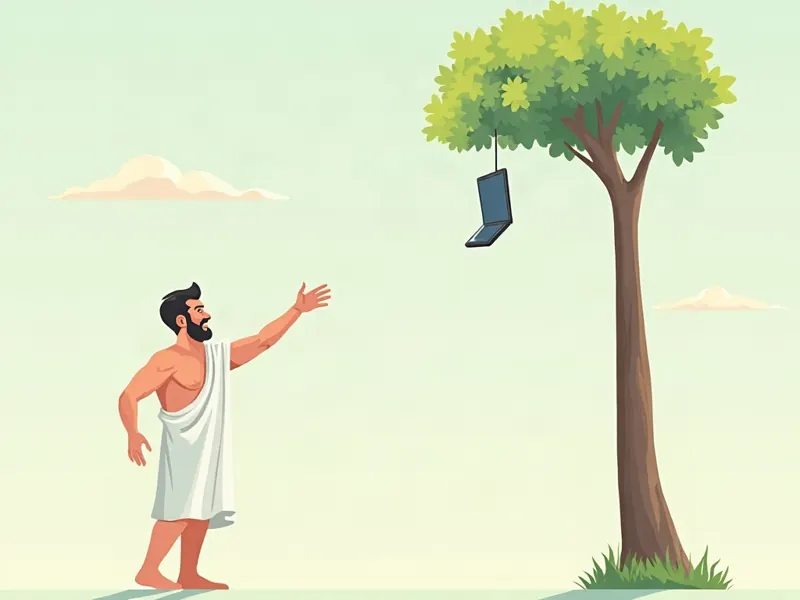
#73 · No. 73. In tiny capacitors in phones; named after Tantalus of Greek myth.
🧠 TAntalus reaches for a phone that stays just out of reach: TAntalum.
W · tungstenShow answer
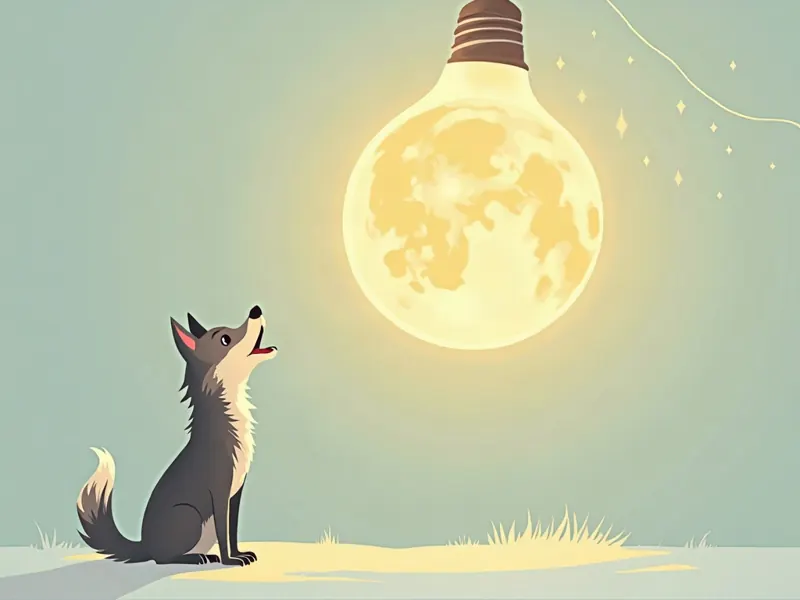
#74 · No. 74. Highest melting point of all metals; glowing filaments in old light bulbs. Also called wolfram.
🧠 A Wolf howls at a glowing light bulb: W for Wolfram, another name for tungsten.
Re · rheniumShow answer

#75 · No. 75. Named after the river Rhine; used in jet-engine turbine blades.
🧠 A REindeer swims down the Rhine: RhEnium.
Os · osmiumShow answer

#76 · No. 76. The densest element found in nature; used in fountain-pen tips.
🧠 An OStrich strains to lift a tiny but super-heavy OSmium ball.
Ir · iridiumShow answer
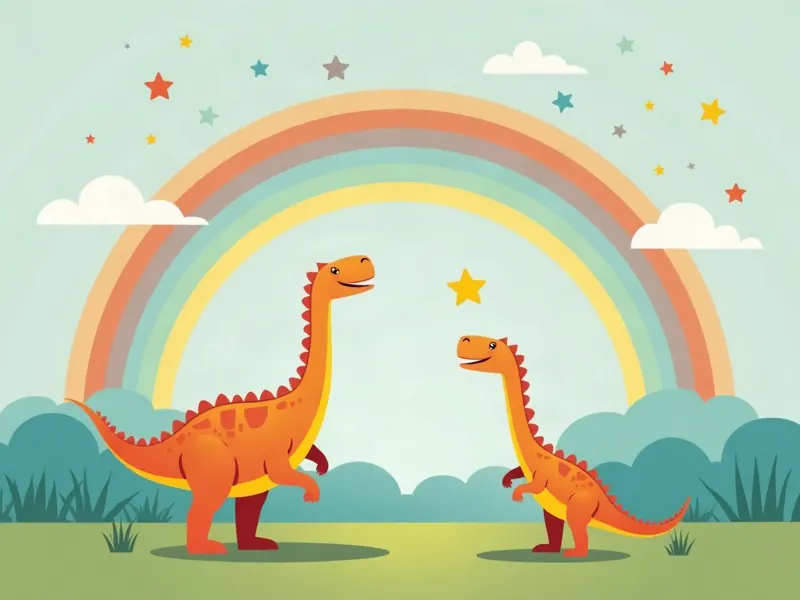
#77 · No. 77. Very corrosion-resistant; a layer of it marks the asteroid impact that ended the dinosaurs.
🧠 A rainbow (IRis) arches over a dinosaur watching a shooting star: IRidium.
Pt · platinumShow answer

#78 · No. 78. A precious metal in jewellery, catalytic converters and some cancer drugs.
🧠 A PlaTe made of PlaTinum, with a platinum ring on it.
Au · goldShow answer

#79 · No. 79. Never rusts or tarnishes; jewellery, medals and electronics.
🧠 'Ow!' (AU!) yells a pirate as a chest of gold lands on his toe: Au for aurum.
Hg · mercuryShow answer
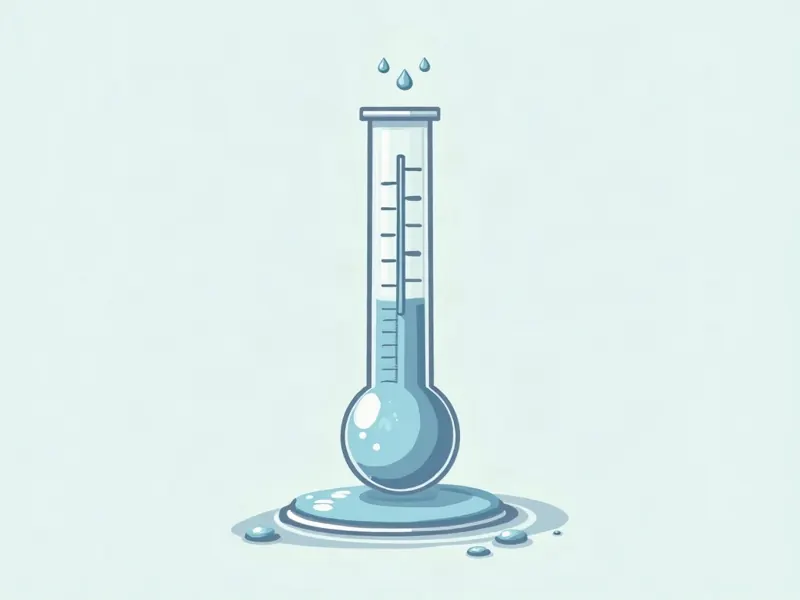
#80 · No. 80. The only metal that is liquid at room temperature; once used in thermometers.
🧠 Silver that flows like water: Hg for HydrarGyrum, 'water-silver'.
Rf · rutherfordiumShow answer
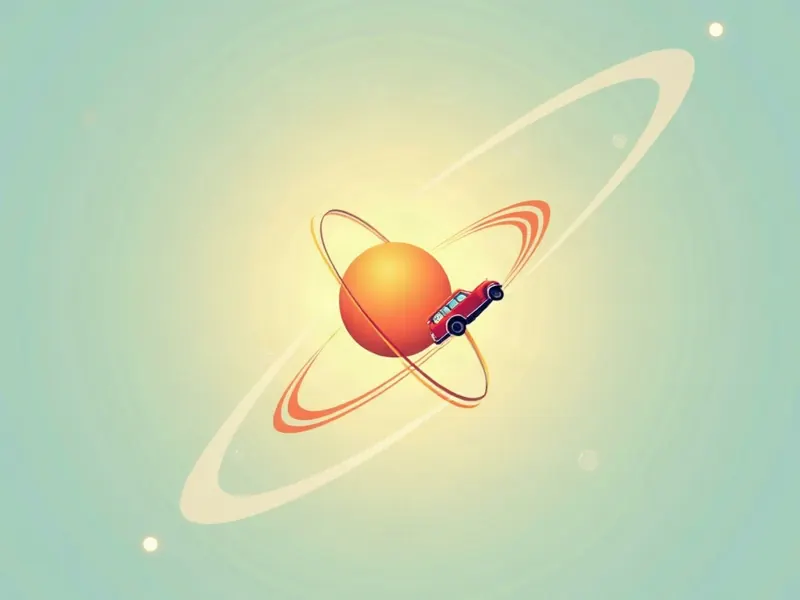
#104 · No. 104. Named after Ernest Rutherford, who discovered the atomic nucleus.
🧠 RutherFord drives an old Ford in orbit around an atomic nucleus: Rf.
Db · dubniumShow answer

#105 · No. 105. Named after Dubna, the Russian research town where it was made.
🧠 A DuB DJ plays in Dubna: Db.
Sg · seaborgiumShow answer

#106 · No. 106. Named after Glenn Seaborg, who helped discover plutonium; named while he was still alive.
🧠 A SeaGull sits on a seaside castle (borg): Sg for SeaborGium.
Bh · bohriumShow answer
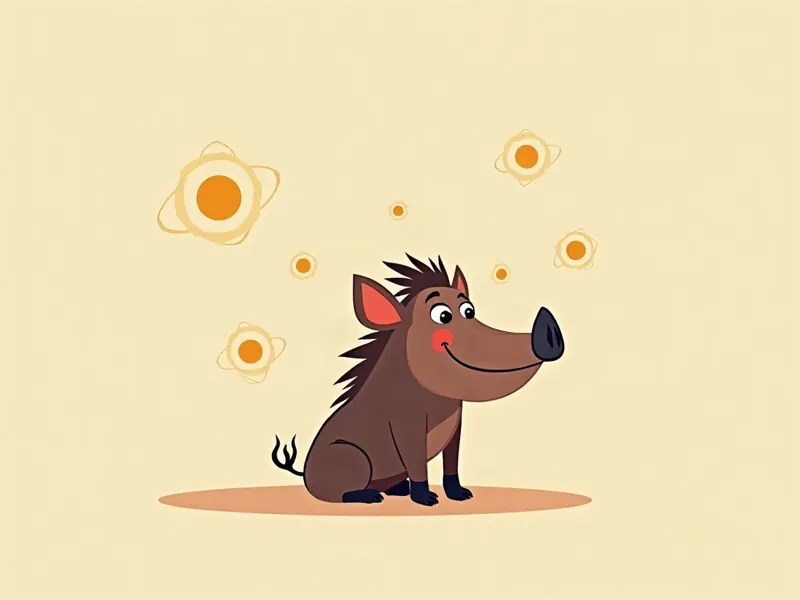
#107 · No. 107. Named after the Danish physicist Niels Bohr and his model of the atom.
🧠 A wild Boar (sounds like BoHr) with electrons circling around it: Bh.
Hs · hassiumShow answer

#108 · No. 108. Named after the German state of Hesse (Latin Hassia).
🧠 A HouSe in HeSSe: HaSSium.
Mt · meitneriumShow answer

#109 · No. 109. Named after Lise Meitner, who helped explain nuclear fission.
🧠 A climber on a MounTain splits a rock in two, like fission: MeiTnerium.
Ds · darmstadtiumShow answer

#110 · No. 110. Named after Darmstadt in Germany, where it was first made.
🧠 A DachShund trots through DarmStadt: Ds.
Rg · roentgeniumShow answer
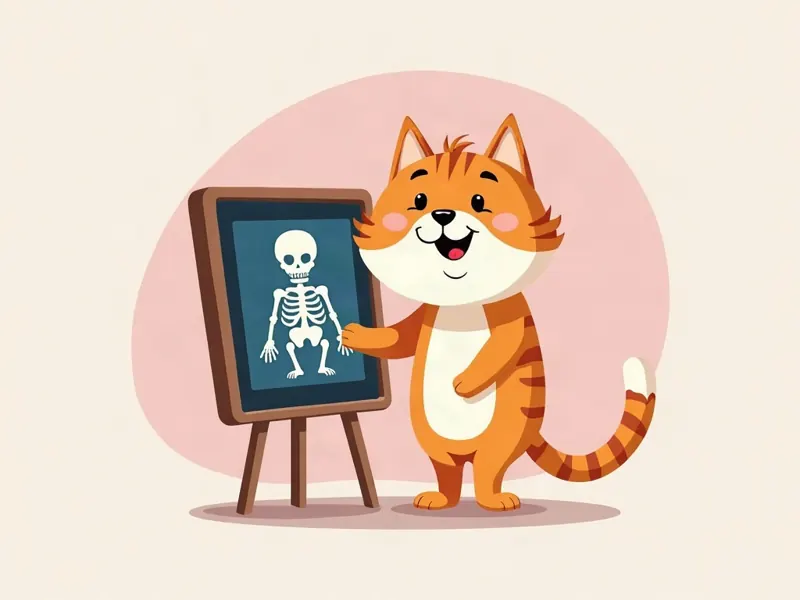
#111 · No. 111. Named after Wilhelm Röntgen, who discovered X-rays.
🧠 A cat poses behind an X-ray screen: RoentGenium, after Röntgen.
Cn · coperniciumShow answer
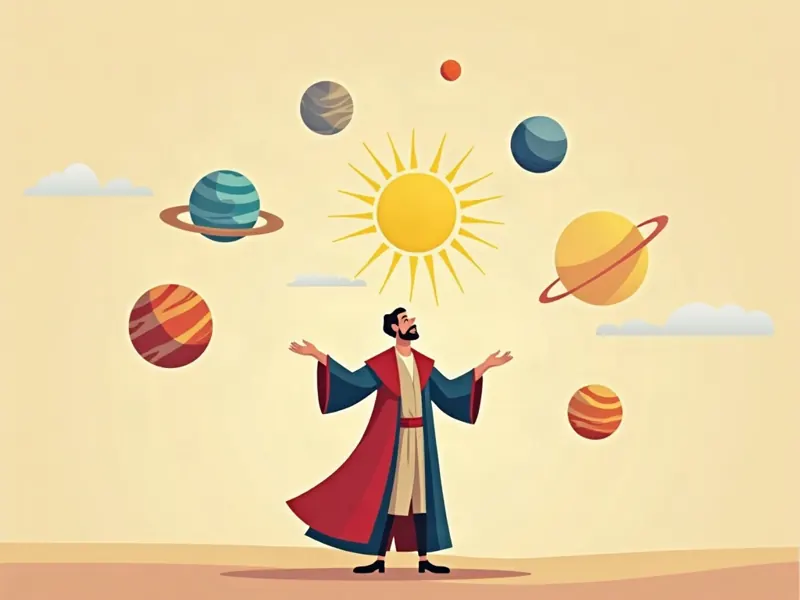
#112 · No. 112. Named after Copernicus, who put the Sun at the centre of the solar system.
🧠 CoperNicus juggles the planets around the Sun: Cn.
Lanthanides
La · lanthanumShow answer

#57 · No. 57. Leads the lanthanide row; used in camera lenses and hybrid-car batteries.
🧠 A LLAma with a LAntern leads the row of lanthanides: LAnthanum.
Ce · ceriumShow answer
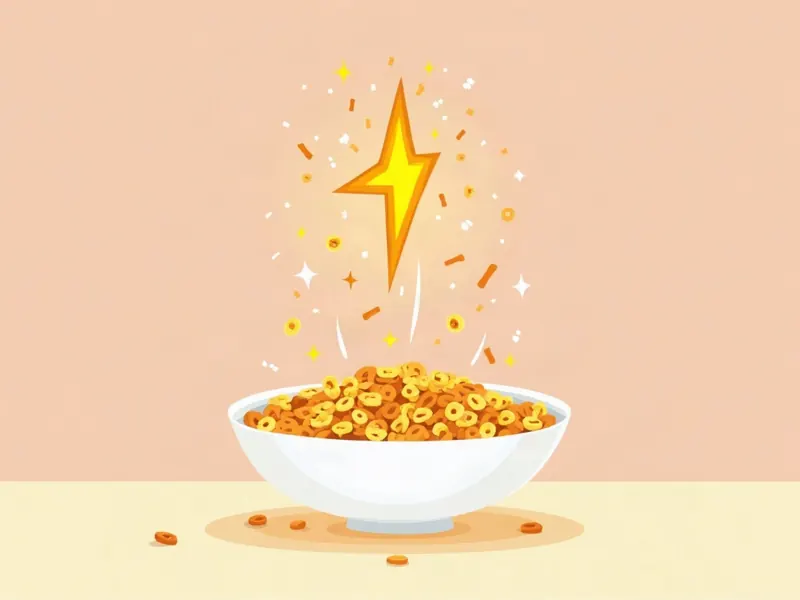
#58 · No. 58. The most common rare-earth metal; makes the sparks in lighter flints.
🧠 Sparks from a lighter flint land in a bowl of CEreal: CErium.
Pr · praseodymiumShow answer
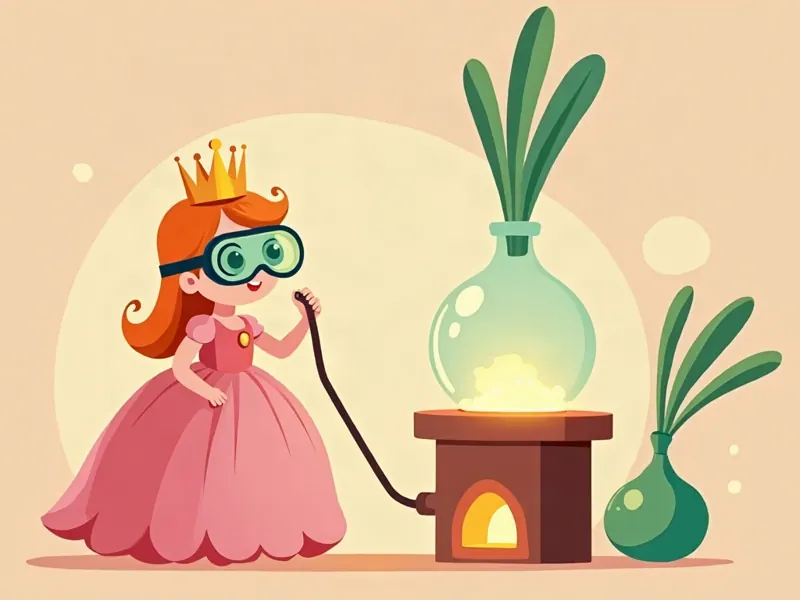
#59 · No. 59. Colours glass yellow-green; Greek for 'leek-green twin'.
🧠 A PRincess glassblower wears leek-green goggles: PRaseodymium, the 'leek-green twin'.
Nd · neodymiumShow answer
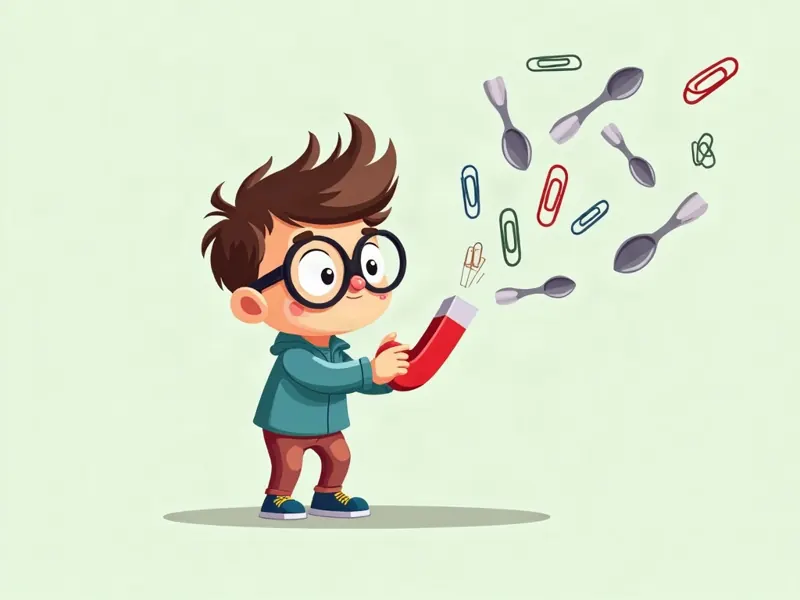
#60 · No. 60. Makes the strongest permanent magnets: earbuds, wind turbines, electric motors.
🧠 A NerD with a super-strong NeoDymium magnet pulls in every spoon in the room.
Pm · promethiumShow answer
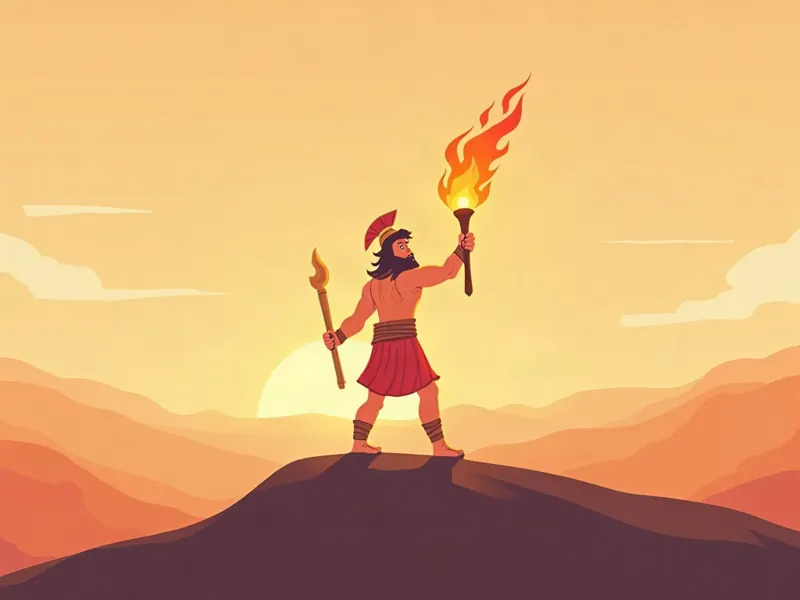
#61 · No. 61. Radioactive and very rare; named after Prometheus, who stole fire from the gods.
🧠 ProMetheus brings fire in the evening (PM): PM for ProMethium.
Sm · samariumShow answer

#62 · No. 62. Samarium-cobalt magnets tolerate heat; named after the mineral samarskite.
🧠 A SuMo wrestler holds two hot SaMarium magnets.
Eu · europiumShow answer
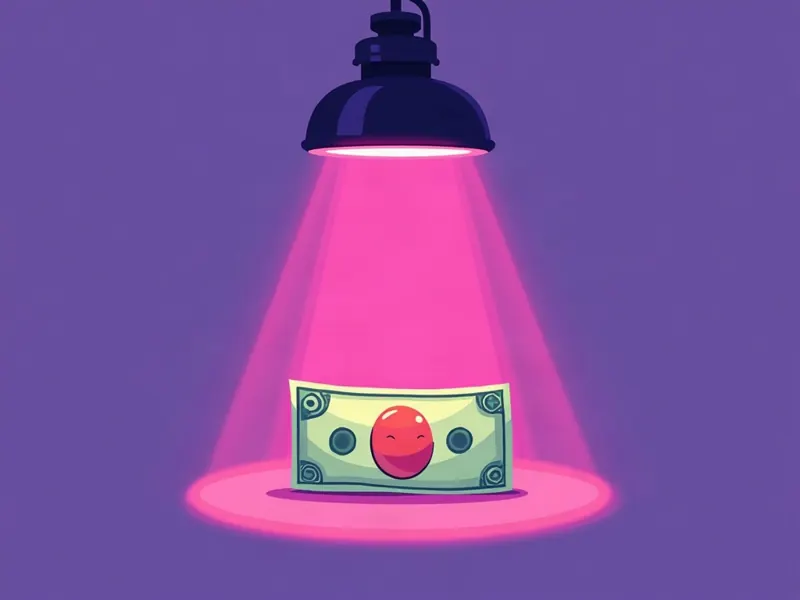
#63 · No. 63. Named after Europe; glows red under UV light on euro banknotes.
🧠 A EUro banknote glows red under a UV lamp: EUropium.
Gd · gadoliniumShow answer

#64 · No. 64. Injected as a contrast agent in MRI scans.
🧠 A GooD doctor gives GaDolinium before the MRI scan.
Tb · terbiumShow answer
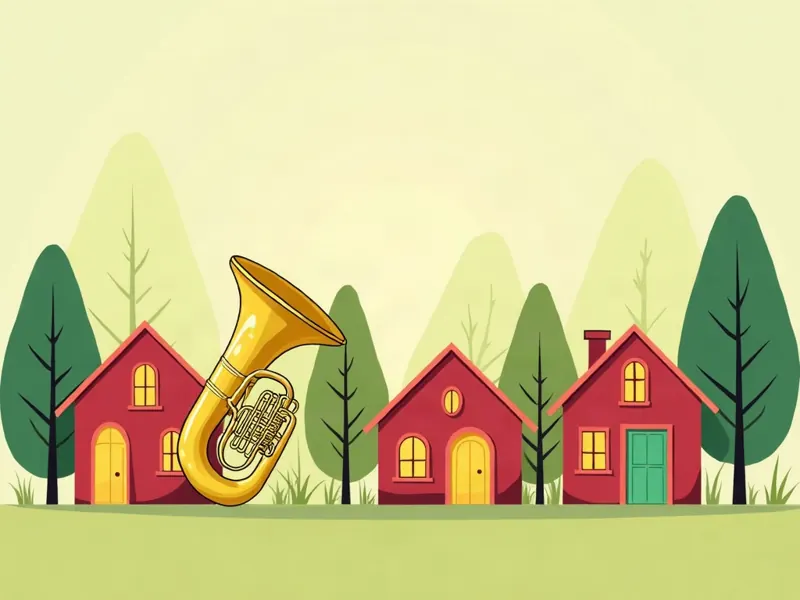
#65 · No. 65. Gives green light in lamps and screens; named after Ytterby in Sweden.
🧠 A TuBa glows bright green in Ytterby: TerBium.
Dy · dysprosiumShow answer

#66 · No. 66. Keeps magnets strong when hot, e.g. in electric-car motors; Greek 'hard to get at'.
🧠 An electric car's DYnamo needs DYsprosium, the element that's 'hard to get at'.
Ho · holmiumShow answer
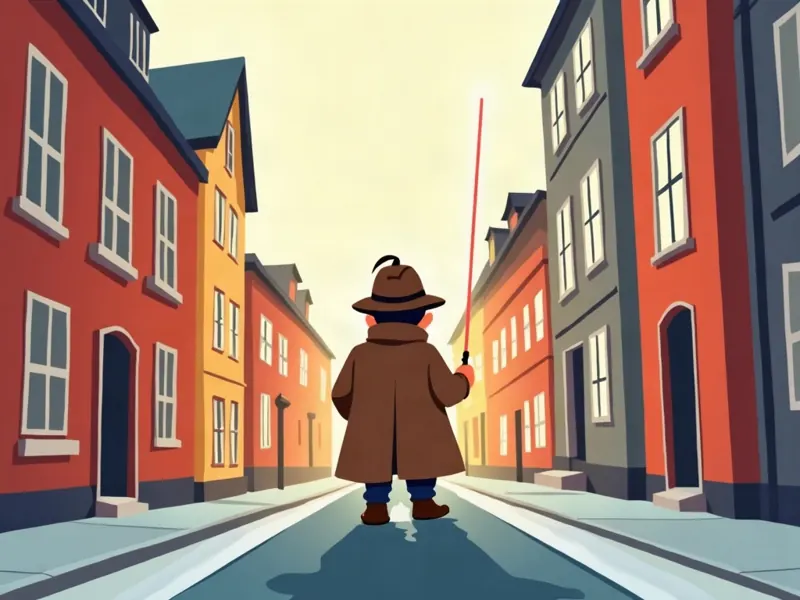
#67 · No. 67. Named after Stockholm (Latin Holmia); used in medical lasers.
🧠 A detective in StockHOlm points a HOlmium laser.
Er · erbiumShow answer

#68 · No. 68. Boosts light signals in fibre-optic internet cables; named after Ytterby.
🧠 'ERR... slow internet?' No: ERbium boosts the light in the cables.
Tm · thuliumShow answer

#69 · No. 69. One of the rarest lanthanides; named after Thule, the mythical far north.
🧠 A TraM rides to Thule, the far north: Tm for thulium.
Yb · ytterbiumShow answer

#70 · No. 70. Used in ultra-precise atomic clocks; another element named after Ytterby.
🧠 A Yellow Bee carries a clock through Ytterby: Yb for YtterBium.
Lu · lutetiumShow answer

#71 · No. 71. The last lanthanide; named after Lutetia, the Roman name for Paris.
🧠 A LUte player strums by the river in Roman Paris (LUtetia): LUtetium.
Actinides
Ac · actiniumShow answer

#89 · No. 89. Leads the actinide row; glows pale blue in the dark (Greek aktis = ray).
🧠 An ACtor glows pale blue on a dark stage: ACtinium.
Th · thoriumShow answer
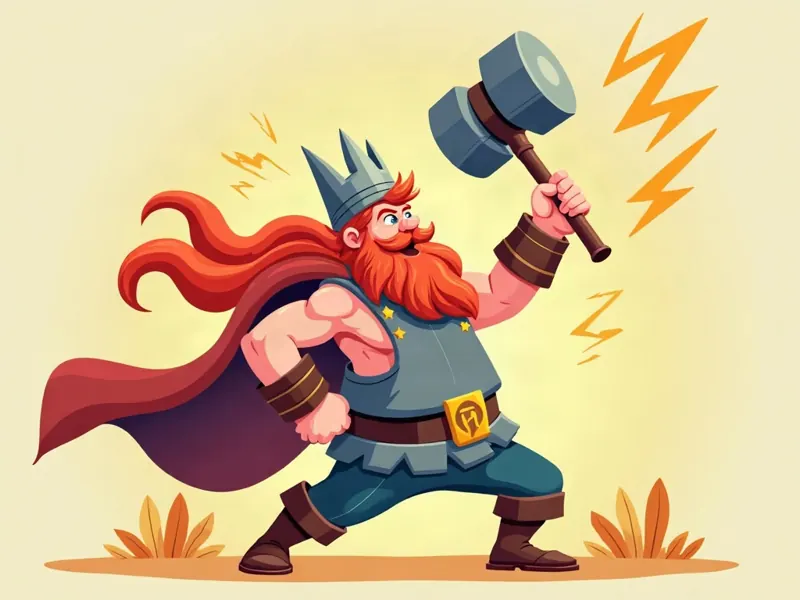
#90 · No. 90. Named after Thor, the Norse god of thunder; a possible nuclear fuel.
🧠 THor swings his hammer: THorium.
Pa · protactiniumShow answer
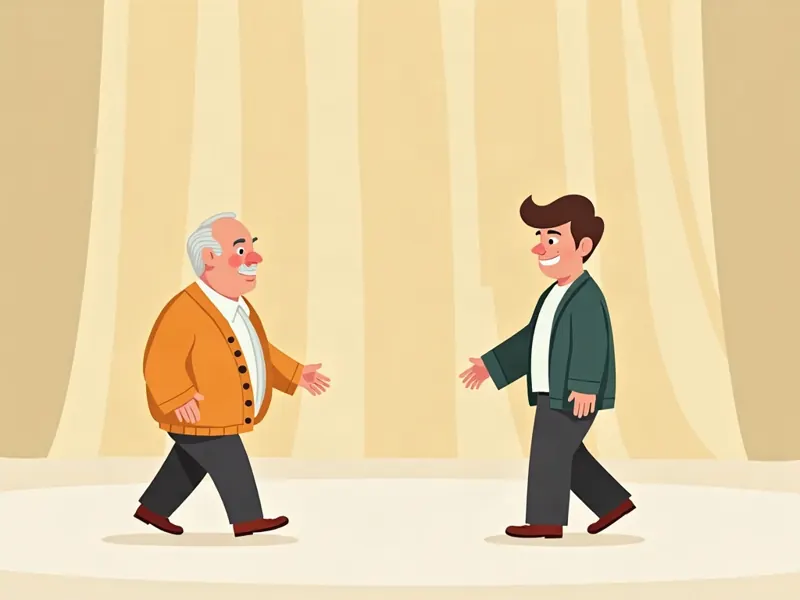
#91 · No. 91. Rare and radioactive; 'before actinium', because it decays into actinium.
🧠 PA walks on stage before the actor: Pa for Protactinium, 'before actinium'.
U · uraniumShow answer

#92 · No. 92. Fuel for nuclear power plants; named after the planet Uranus.
🧠 YOU (U) look through a telescope at Uranus: U for uranium.
Np · neptuniumShow answer
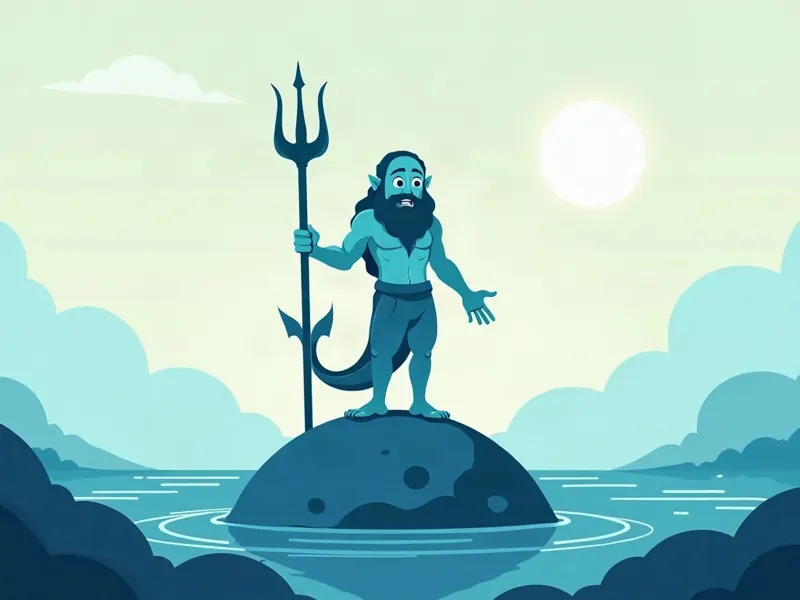
#93 · No. 93. Named after Neptune, the planet after Uranus, as Np comes after U.
🧠 NePtune raises his trident: NePtunium follows uranium as Neptune follows Uranus.
Pu · plutoniumShow answer

#94 · No. 94. Named after Pluto; powers deep-space probes such as Voyager.
🧠 PUff! A space probe chugs past Pluto on PLUtonium power.
Am · americiumShow answer
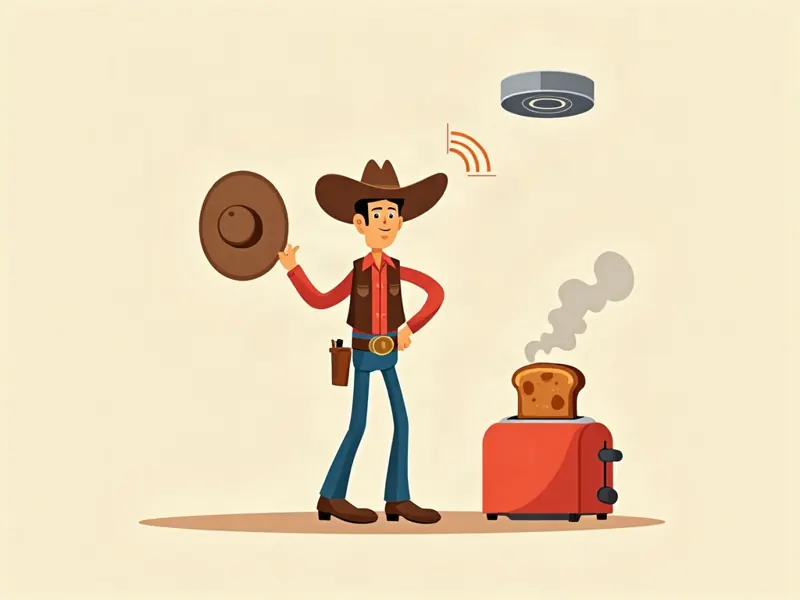
#95 · No. 95. Named after the Americas; a tiny amount is in many smoke detectors.
🧠 A cowboy's smoke alarm beeps over burnt toast: AMericium.
Cm · curiumShow answer

#96 · No. 96. Named after Marie and Pierre Curie; used as a radiation source in Mars rover instruments.
🧠 A Curious Mars rover sniffs a rock: Cm for CuriuM, after the Curies.
Bk · berkeliumShow answer

#97 · No. 97. Made in Berkeley, California, and named after the city.
🧠 A Bear in BerKeley reads a Book: Bk.
Cf · californiumShow answer

#98 · No. 98. Named after California; a strong neutron source, e.g. to start reactors.
🧠 A CaliFornian surfer rides a wave: Cf.
Es · einsteiniumShow answer

#99 · No. 99. Named after Albert Einstein; first found in the debris of the 1952 hydrogen-bomb test.
🧠 A wild-haired genius (EinStein) thinks hard at a blackboard: Es.
Fm · fermiumShow answer

#100 · No. 100. Named after Enrico Fermi; also first found in the 1952 hydrogen-bomb debris.
🧠 A FarM with exactly a hundred cows: FerMium, element 100.
Md · mendeleviumShow answer

#101 · No. 101. Named after Dmitri Mendeleev, who created the periodic table.
🧠 A MeDal hangs on the periodic table for its creator, MenDeleev.
No · nobeliumShow answer

#102 · No. 102. Named after Alfred Nobel, who founded the Nobel Prizes.
🧠 'NO!' says the judge: NO Nobel Prize for you: NObelium.
Lr · lawrenciumShow answer

#103 · No. 103. Named after Ernest Lawrence, inventor of the cyclotron.
🧠 A LoRry races round and round like a particle in Lawrence's cyclotron: Lr.
Mnemonics for the tricky Latin symbols
Most symbols are just the first letters of the English name. The ones that trip people up come from Latin, Greek or German names. Hooks from the list:
- Na, sodium: salty NAchos, from natrium.
- K, potassium: a King peels a banana, from kalium.
- Fe, iron: a FErocious knight in an iron suit, from ferrum.
- Cu, copper: a CUp of copper from Cyprus, from cuprum.
- Ag, silver: an ArGentine tango dancer in silver shoes. Argentina is named after silver (argentum).
- Sn, tin: a SNowman made of tin cans, from stannum.
- Au, gold: "Ow!" (AU!), from aurum.
- Hg, mercury: silver that flows like water, from hydrargyrum, "water-silver".
- Pb, lead: a PlumBer staggering under heavy lead pipes, from plumbum.
- W, tungsten: a Wolf howling at a light bulb, from Wolfram.
Learn these ten and the rest of the symbols mostly follow the English names.
How to memorize the periodic table
- Learn the symbols with hooks using the list above, about 10 a day.
- Learn the order with a sentence. A classic trick is a sentence where each word starts like the next element. For the first twelve: Happy Henry Lives Beside Boron Cottage, Near Our Friend Nelly's Nanny Maggie (H, He, Li, Be, B, C, N, O, F, Ne, Na, Mg).
- Learn the positions with a journey. For the full table in order, place each element along a route you know well, a memory palace, or link the atomic number to a picture with the Major system.
- Test yourself. The quiz shows a symbol and asks for the name.
The ordering comes from Dmitri Mendeleev, who published his periodic table in 1869 and left gaps for elements that had not yet been discovered.
Why mnemonics work for the elements
A symbol like Pb is two letters with nothing to hold on to. A hook gives it meaning (elaborative encoding) and a picture (dual coding), so there are more routes back to it. Quizzing yourself strengthens memory more than rereading (Roediger & Karpicke, 2006), and spacing the reviews out keeps the elements from fading. Memory Legend does the scheduling for you. More examples of the same idea are in our guide to mnemonics.
Frequently asked questions
What is the easiest way to memorize the periodic table?
Split the job in two: learn each symbol and name with a memory hook, then learn the order with a mnemonic sentence or a memory palace. Ten elements a day with spaced review gets you through all 118 in about two weeks.
What is a mnemonic for the first 20 elements?
Make a sentence where each word starts like the element: Happy Henry Lives Beside Boron Cottage, Near Our Friend Nelly's Nanny Maggie covers H to Mg. Continue for Al, Si, P, S, Cl, Ar, K and Ca with your own words; a sentence you build yourself is easier to remember.
Why is the symbol for gold Au?
It comes from the Latin name, aurum. Our hook: a pirate yelling "Ow!" (AU) when a chest of gold lands on his toe.
Why is sodium Na and potassium K?
From their Latin names: natrium for sodium and kalium for potassium.
How many elements are there on the periodic table?
118, from hydrogen (1) to oganesson (118).
How long does it take to memorize the periodic table?
It depends on how much you want to know. The symbols and names of all 118 elements take most people a few weeks at 10 a day with regular review. Knowing the exact positions takes longer.
Is this periodic table quiz free?
Yes. The list and quiz are free, and Memory Legend is free during the beta with pictures and spaced repetition for all 118 elements. Start free.
Learn all 118 elements with pictures
Memory Legend gives every element a picture and a hook, quizzes you, and brings each symbol back right before you would forget it.
Start free Free during the beta
Get one memory trick a week
Short, practical techniques and new courses. Free, and you can unsubscribe with one click.